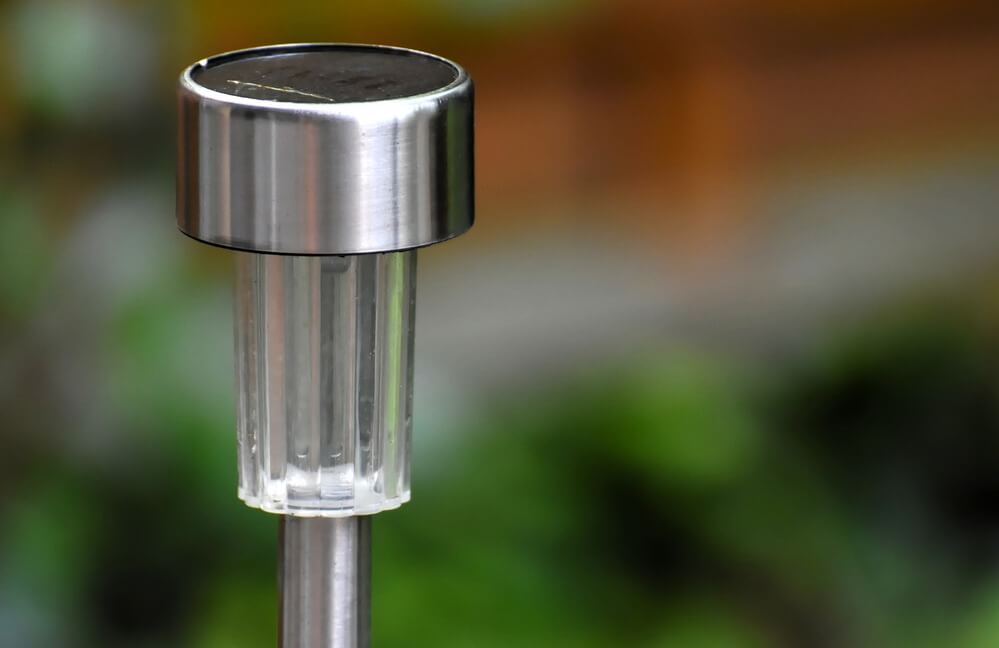
If you’re thinking about illuminating your garden with solar lights, you’re in the right place. Solar lights can offer an eco-friendly and cost-effective way to illuminate multiple sections of your garden, from practical path lights to guide you to your door safely to decorative lanterns to create a cosy and inviting seating area for relaxing or entertaining guests.
However, if you’re still unsure whether to choose solar lights rather than regular wired lighting, this blog is for you. In this guide, we’ll explain how solar lights work, their advantages and disadvantages, how long they last and how to maintain them to get the best light out of them.
Table of contents:
- How do garden solar lights work?
- Advantages and disadvantages of solar lights
- Do solar lights need direct sunlight?
- Do solar lights work in winter?
- How long do solar lights last?
How do garden solar lights work?
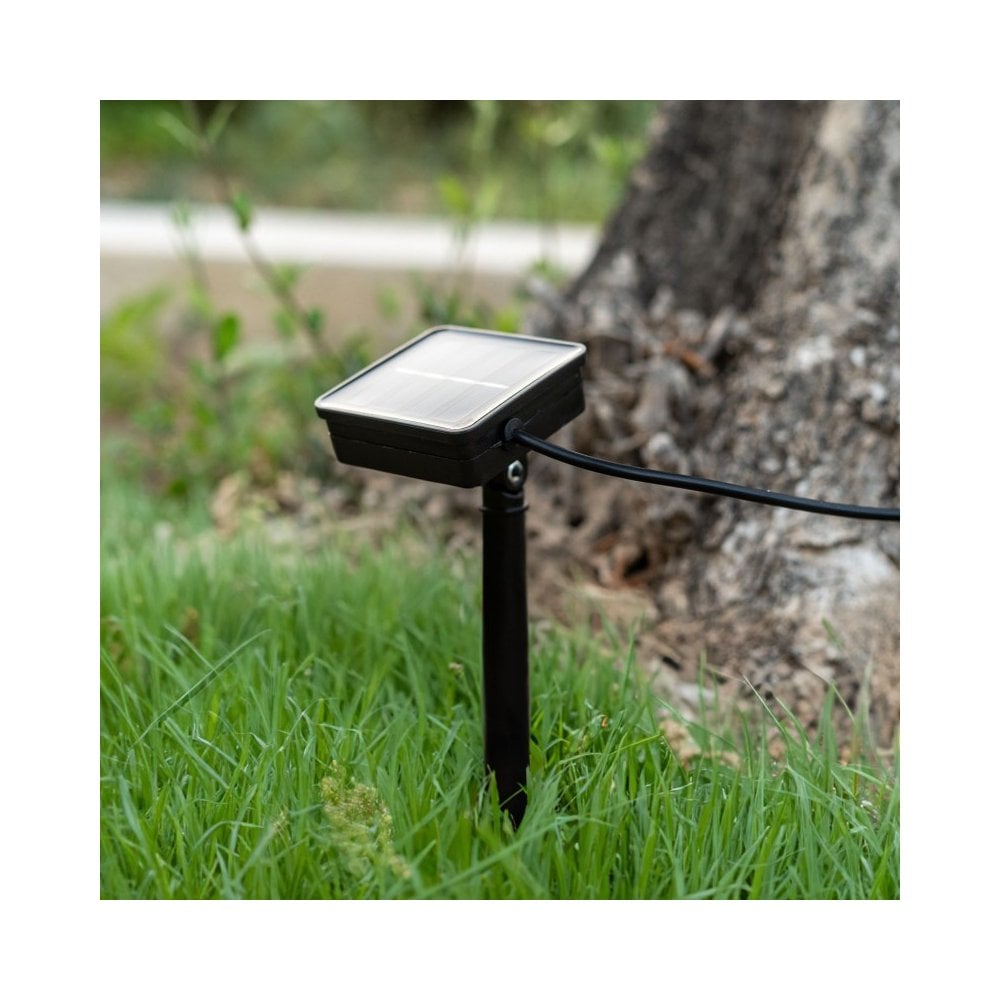
Garden solar lights function by harnessing the power of the sun. Solar panels absorb sunlight, which is then converted into energy and stored in rechargeable batteries. When the sun sets, the stored energy powers the light-emitting diodes (LEDs), providing a sustainable way to brighten your outdoor space.
Components that make up a garden solar light:
- Solar panel – converts sunlight into electrical energy.
- Rechargeable battery – stores the electrical energy generated by the solar panel.
- LED light – provides illumination using the stored electrical energy.
Photoreceptor (light sensor) – detects the absence of sunlight and turns the solar light on at dusk and off at dawn.
Working principals of solar lights
This section provides a more detailed explanation of how solar garden lights work.
Energy conversion
During daylight hours, the solar panel absorbs sunlight and converts it into electrical energy through the photovoltaic effect. This energy is used to charge the rechargeable battery.
Energy storage
The rechargeable battery stores the electrical energy generated by the solar panel throughout the day. Nickel-metal hydride (NiMH) or lithium-ion (Li-ion) batteries are commonly used for their efficiency and longevity.
Light activation
As night falls, the photoreceptor detects the decreasing light levels. It triggers the LED light to turn on and use the stored electricity from the battery.
Illumination
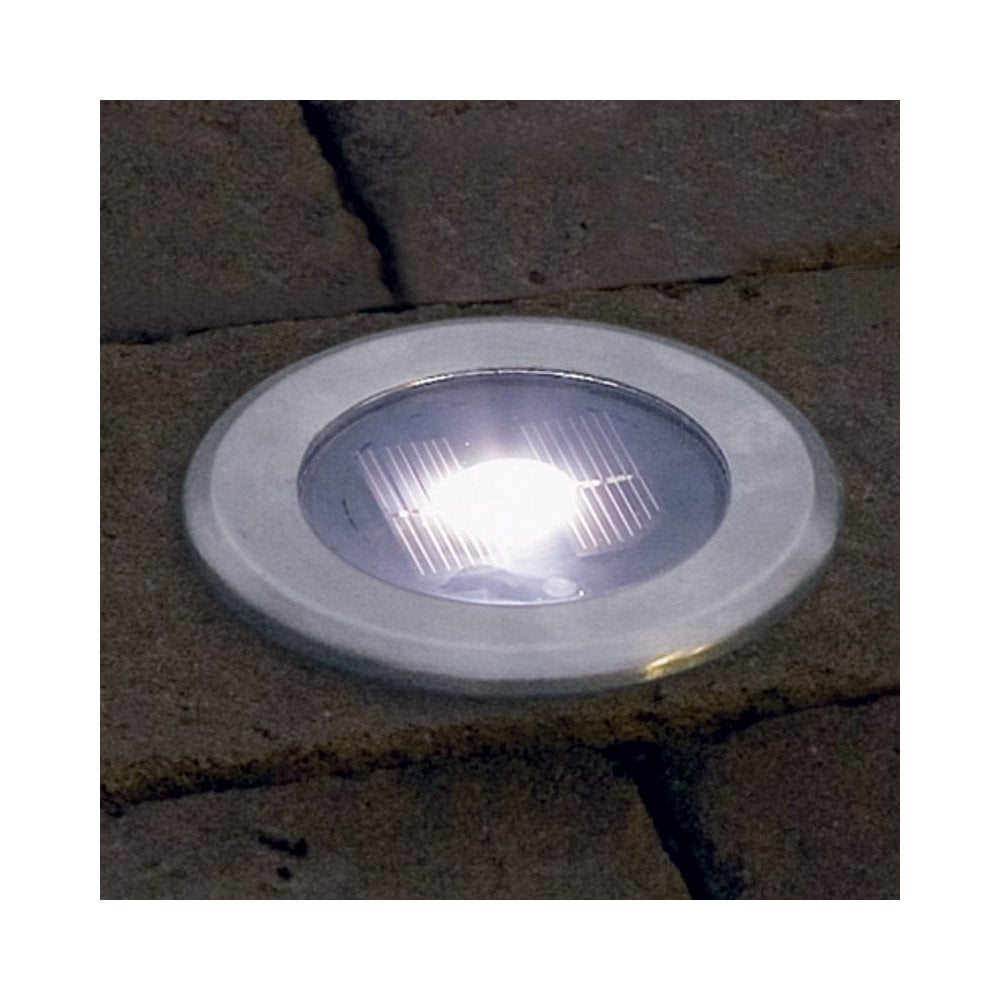
LEDs are used because they are highly energy efficient and have a long lifespan. The LED light will remain on throughout the night unless the light has an off switch.
Cycle repeats
When the sun rises, the photoreceptor detects the light increase and automatically turns off the LED light. The solar panel begins generating and storing energy again, thus repeating the cycle.
In addition, solar garden lights are designed to withstand outdoor conditions, including rain, snow and heat. Consider the IP rating, which will indicate how protected it is against water and dirt based on the conditions of where you live and where you want to place your solar lights.
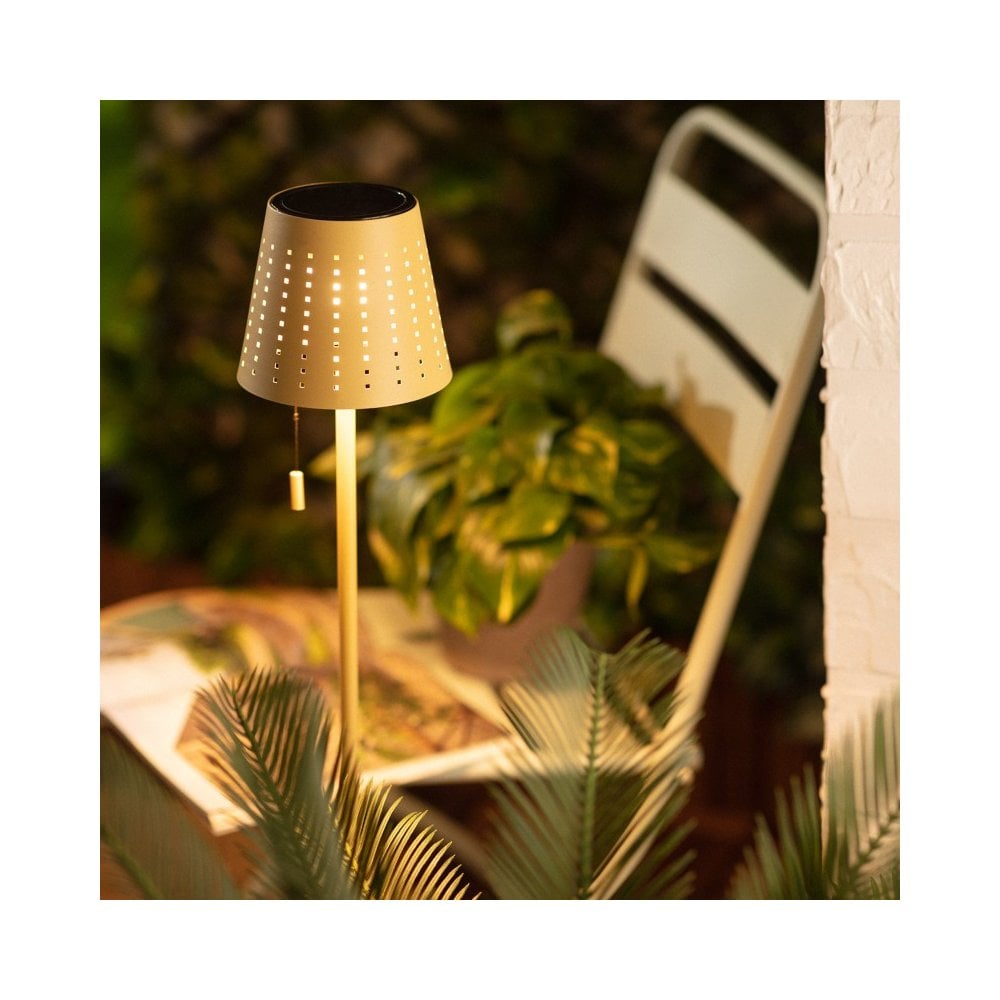
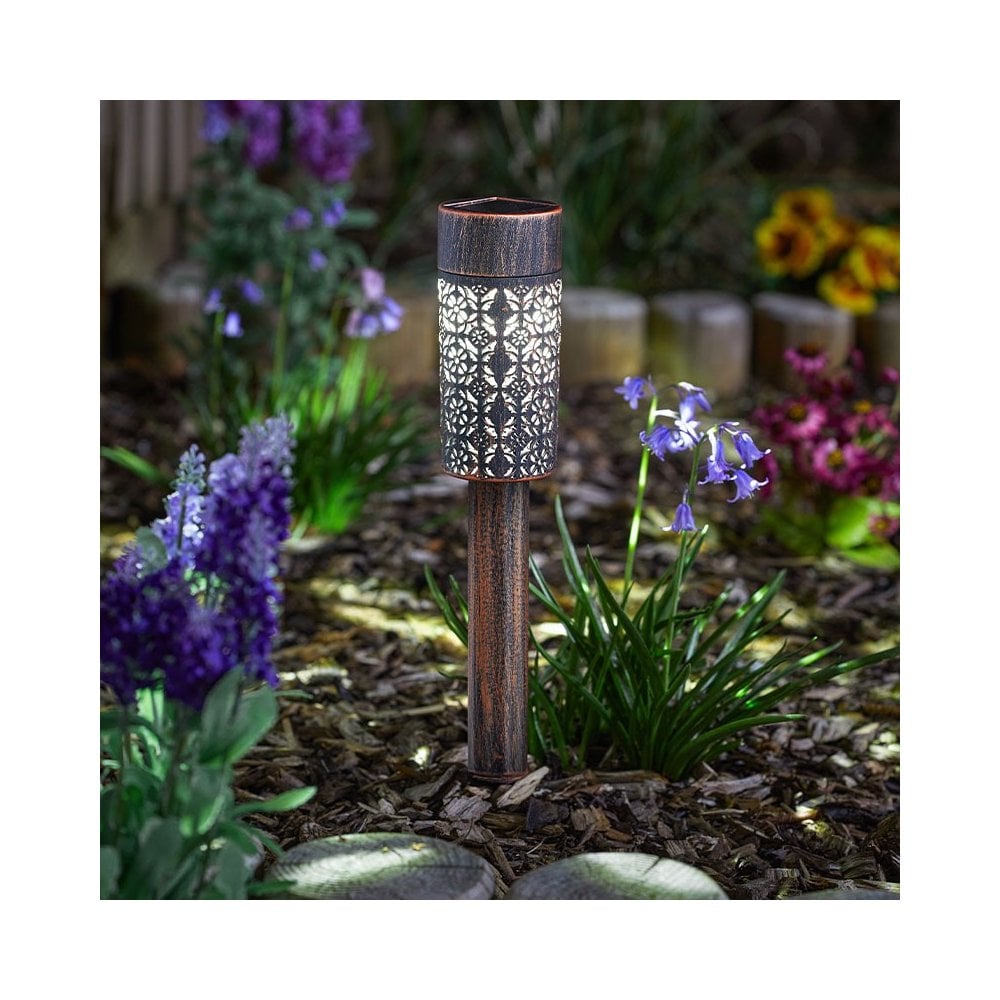
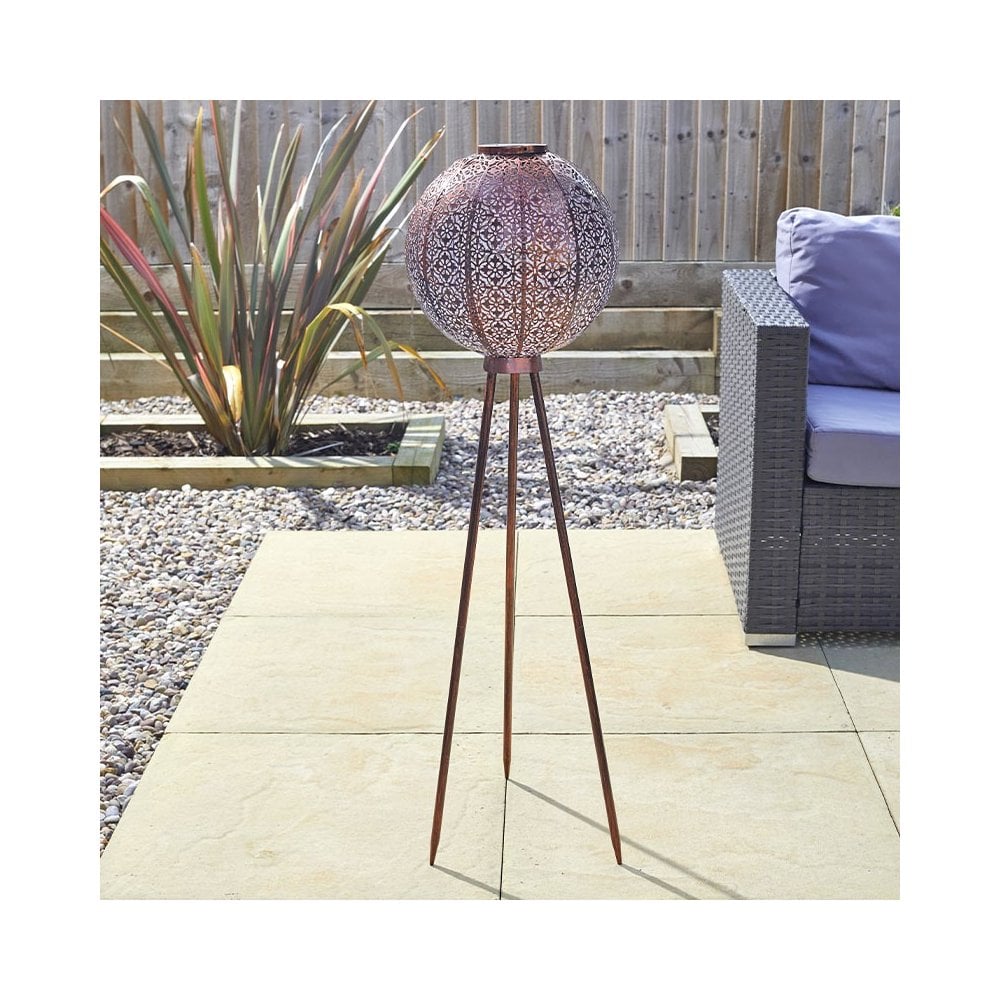
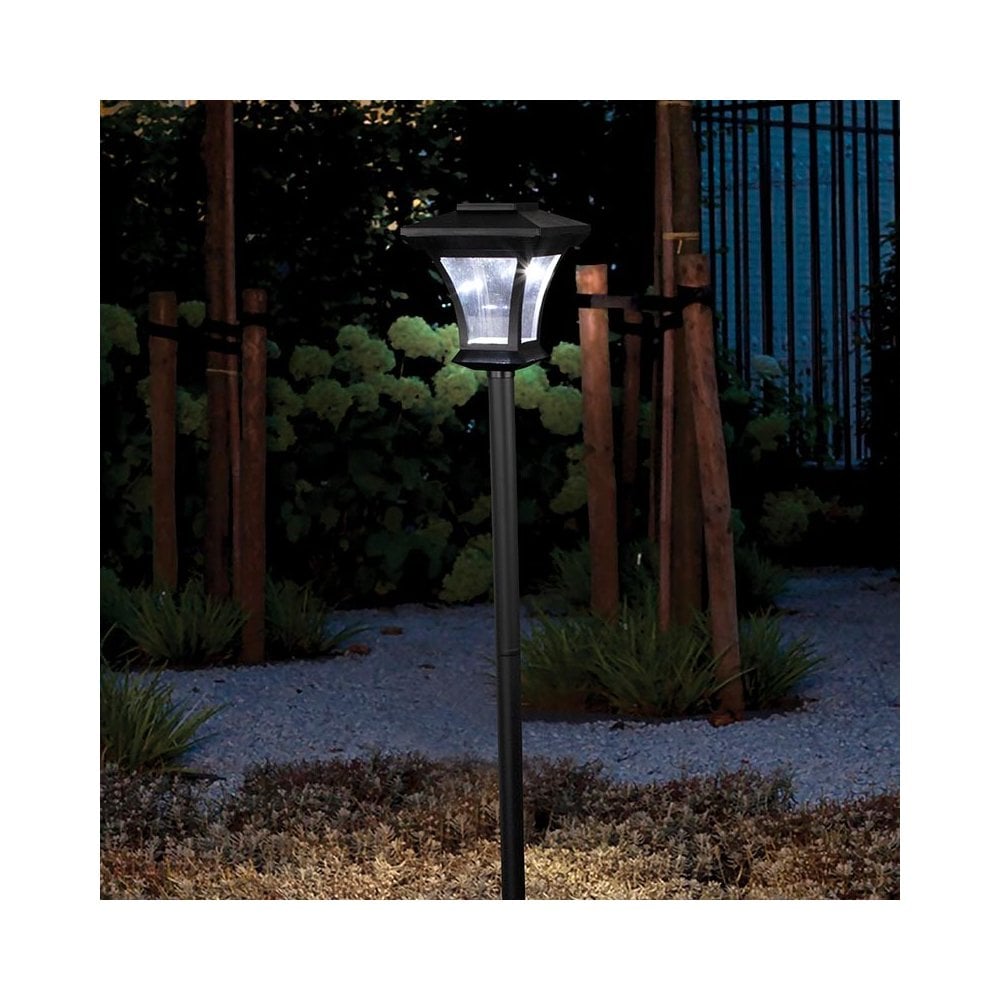
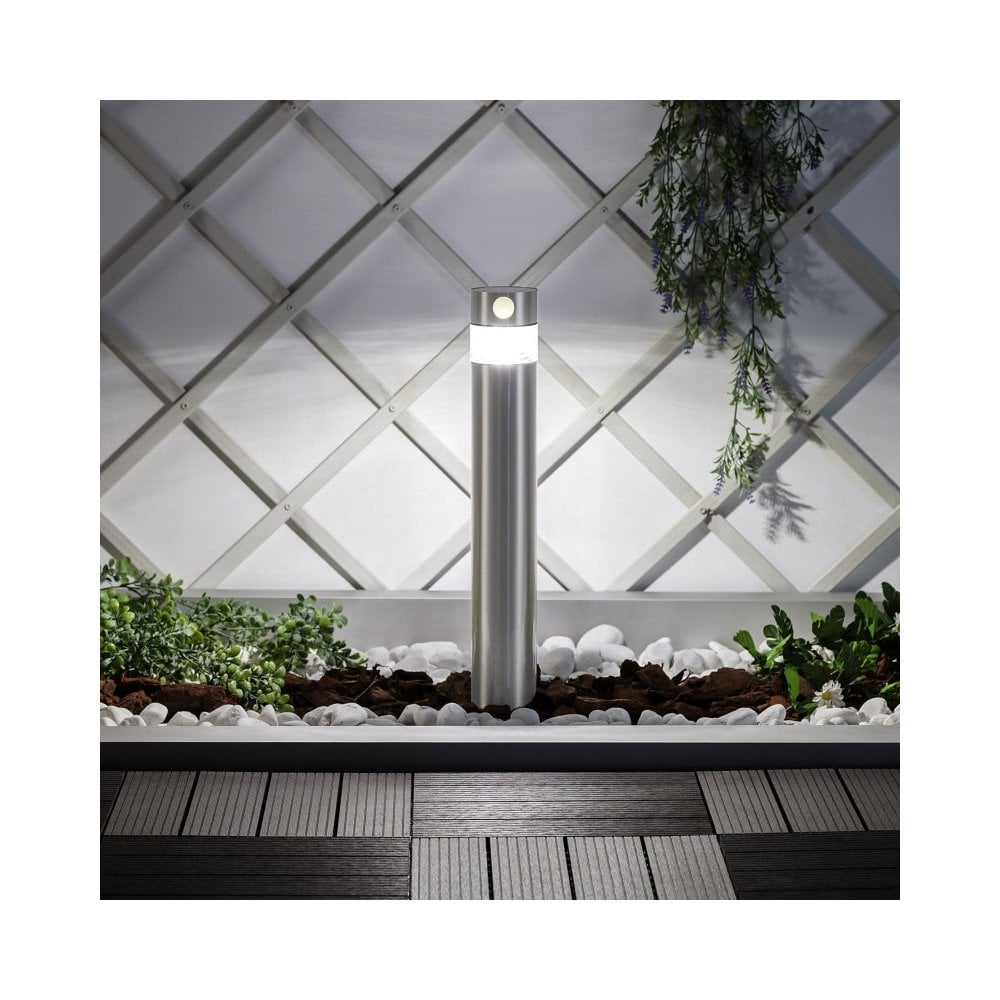
Solar lights come in various designs and styles, from simple path lights to decorative lanterns and string lights to suit your garden and needs.
Advantages and disadvantages of solar lights
If you’re considering purchasing solar lights for your garden, weigh the advantages and disadvantages first.
Advantages
- Eco-friendly: Solar garden lights are eco-friendly. These lights won’t increase your carbon footprint as they use renewable solar energy.
- Lower energy costs: They also won’t add to your energy costs. Once installed, they will use the sun’s energy to illuminate rather than your electricity, making them a cost-efficient garden light solution.
- Easy to install: With no wiring required, you can install and relocate them easily.
Disadvantages
- Sun dependent: Solar lights are dependent on the sun. Their performance can be affected by the amount of sunlight they receive, meaning their light can vary depending on the weather conditions and seasons.
Rechargeable batteries: Additionally, their rechargeable batteries have a finite lifespan, which you may have to replace after a few years.
Do solar lights need direct sunlight?
Solar lights don’t necessarily need direct sunlight, but you may get reduced light without it.
With direct sunlight, solar lights get the maximum energy from their solar panels. This leads to the most efficient battery charge, ensuring the light stays on longer and shines more brightly at night. Also, solar lights placed in direct sunlight will charge more quickly compared to those in shaded areas.
Solar lights can still charge in indirect sunlight or cloudy conditions, but the charging process is slower and less efficient. Solar lights under trees or next to buildings will receive less light, impacting their performance. It’s best to place them where they will receive the most sun throughout the day.
Tips for maximising your solar light performance
- Position your solar lights where they will receive the most direct sunlight throughout the day. Avoid shaded areas.
- Adjust the angle of the solar panel to face the sun directly. Some solar lights come with adjustable panels for this purpose.
- Keep your solar panels clean and free of debris, dust or snow to ensure they can absorb as much sunlight as possible.
- Periodically check and replace the battery if it’s not holding charge.
Do solar lights work in winter?
Yes! Solar lights work in winter, but the season can affect their performance. Here are the main factors during winter that affect solar light performance and tips to help them function more effectively.
Reduced daylight hours
Winter days are shorter, meaning fewer hours of sunlight are available to charge the solar panels. Plus, longer nights require the solar lights to stay on for longer, which can lead to the battery never being fully charged.
Lower sun angle
The sun’s position is lower in the sky during winter, which can reduce the intensity of sunlight reaching the solar panels and reduce the battery charging rate.
Weather conditions
During winter, there is typically more cloud cover, which reduces the amount of sunlight, leading to less efficient charging. Snow and ice build-up can also cover the solar panels, blocking the sunlight from getting to them and preventing the battery from charging.
Tips to help your solar light work better in winter
There are ways you can help to keep your solar light working through wither. Simply follow these tips:
- Optimal placement. Maximise sun exposure by placing the solar light where it will receive the most direct sunlight, avoid shade and angle the solar panel towards the sun. You can also ensure the area around the solar lights is free of obstacles that might cast a shadow, like buildings or trees.
- Regular maintenance. Regularly clean your solar panels to remove snow, ice, dirt and debris to prevent them from blocking the sunlight.
- Battery care. Check the rechargeable batteries and replace them if they’re not holding charge well. If you notice the solar lights aren’t performing well in harsh conditions, consider storing them during the worst part of the winter.
- Higher capacity batteries. Consider using higher-capacity batteries that can store more energy, giving you longer illumination even with reduced charging times.
Choose efficient models. Not all solar lights are equal. If you want them to work during winter, choose solar lights that have better efficiency and work better during low light conditions.
How long do solar lights last?
The lifespan of solar lights can depend on several factors, including the quality of the light, environmental conditions and how well you maintain them. Here is a rough breakdown of how long different components last in a solar garden light.
Solar panels
Solar panels on solar garden lights typically last between 10 and 20 years. Over time, they will degrade, and their efficiency in converting sunlight to energy will decrease.
Rechargeable batteries
Most rechargeable batteries in solar lights will last between 1 to 3 years. Their lifespan can be affected by the number of charge cycles, exposure to extreme temperatures, and overall usage patterns.
LED bulbs
LEDs are durable and can last between 10,000 and 50,000 hours (around 10-15 years of typical use). LEDs are highly efficient and do not consume much power, contributing to the overall longevity of the solar light system.
Housing, wiring and sensors
The housing, wiring and sensors usually last as long as the solar light is made from durable materials and properly maintained.
Overall, solar lights have varying lifespans depending on their components. A high-quality solar light can last between 5 to 10 years. Regular maintenance like cleaning, replacing batteries and protecting lights from harsh weather can extend their lifespan.
What influences the lifespan of solar lights?
Several factors influence the lifespan of solar lights; here are the main ones:
- Quality – higher quality solar lights with better materials and construction will last longer. Look at price and brand reputation to determine quality.
- Environment – solar lights exposed to harsh weather such as extreme heat, cold or moisture will have a shorter lifespan. Placing them in a location that maximises sunlight while minimising potential damage, e.g. falling branches or flooding, will prolong their life.
- Usage – Constant use without letting the batteries adequatly charge can strain the batteries and reduce lifespan.
- Storage – Storing them during the off-season or extreme weather conditions can help extend their life, like intense heat or winter storms.
- Regular cleaning – Regularly cleaning your solar lights to keep them free of dust, debris, and snow can extend their life.
- Battery replacement – Replace the batteries when you notice a drop in performance will ensure you can keep using your solar lights for longer.
Inspection – Periodically check for damage to housing, wiring and other componants to see if they need repairing or replacing.
Solar lights at Castlegate Lights
Now you know everything there is to know about solar lights, you can make an informed decision about whether they are the best lighting for you and your garden.
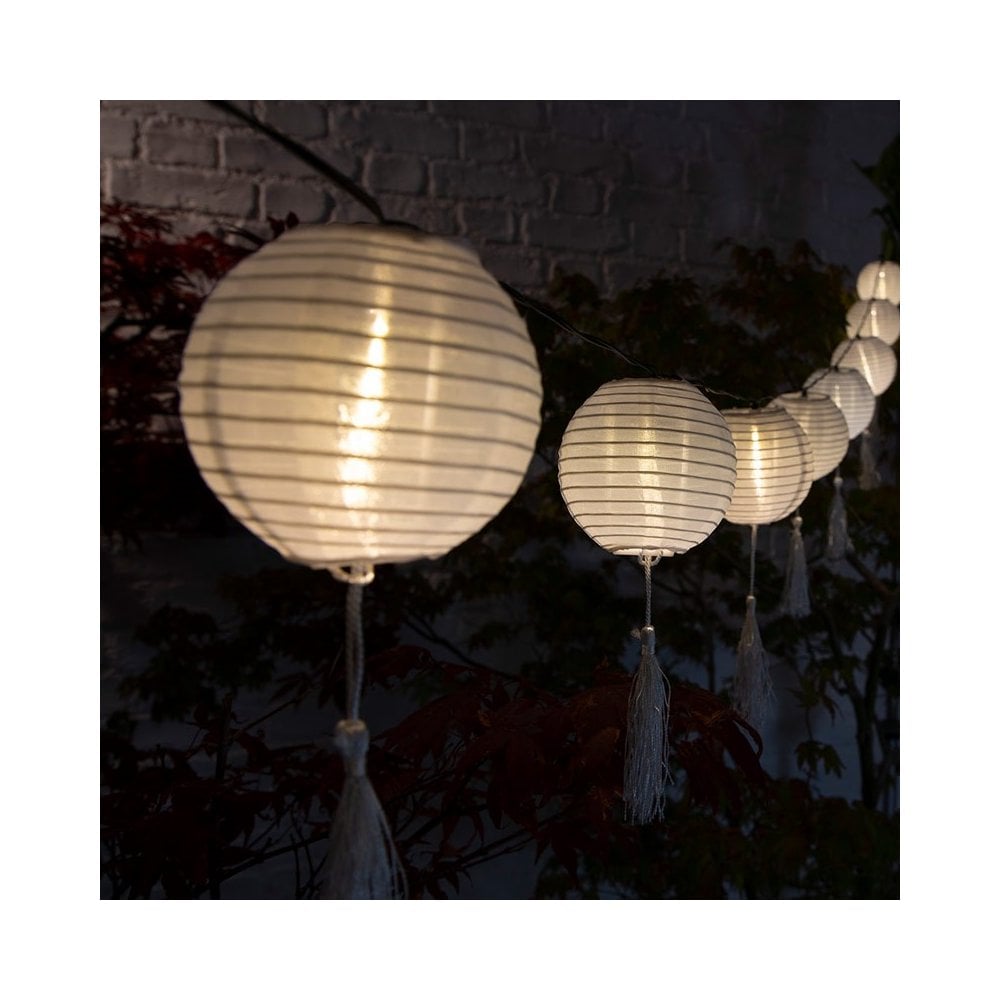
If solar lights are the right outdoor lights for you, look at our extensive collection of solar lights at Castlegate Lights to find the best style and design to illuminate your outdoor space.
Related blogs: