Tag: Outdoor Lighting

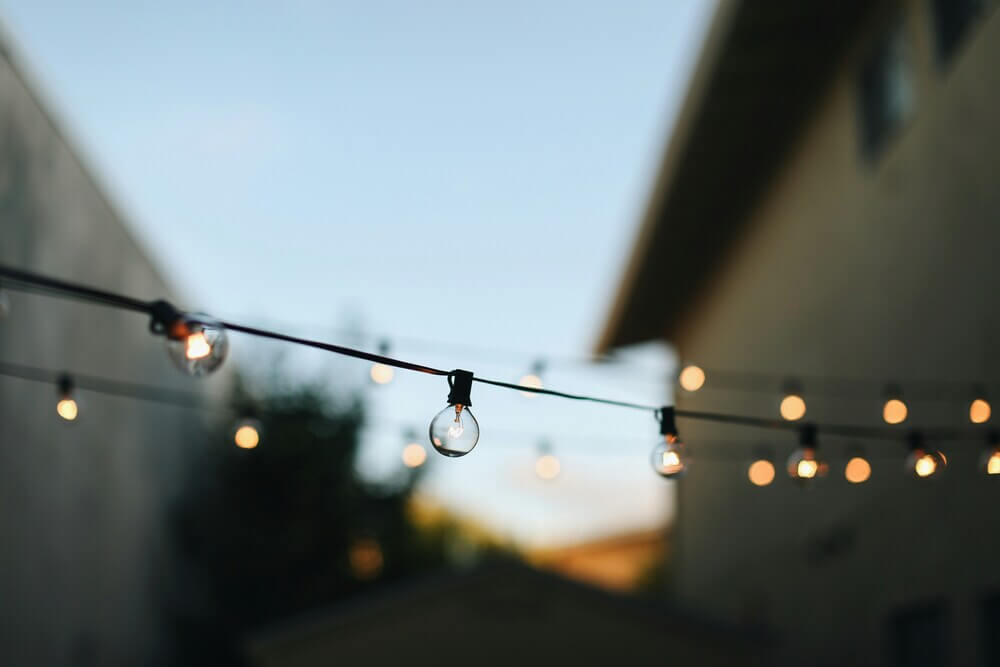
  • How to hang outdoor lights: String lights edition

    How to hang outdoor lights: String lights edition

    Summer evenings are upon us, and if you’re looking for ways to maximise the time you have outside, our garden light selection will give you an ideal burst of inspiration. However, some garden lights can be fiddly; if you’ve not hung them before, you risk getting tangled up in wires.

    Imagine unwinding in the garden after a long day or hosting a summer BBQ in your outdoor space. Our outdoor summer lights can transform these dreams into reality, creating an inviting ambience that will leave your guests in awe. With the help of this guide, you’ll learn how to hang garden lights for a seamless installation and a stunning effect.

    Table of contents:

    What IP rating do I need for outdoor lights?

    Before you purchase your garden lights, you need to consider the IP (Ingress Protection) rating to ensure they are suitable for the environmental conditions of your garden and what you intend to use them for.

    The IP rating system classifies the degree of protection provided by the enclosure of the electrical equipment against solid objects, dust and water. Here is what you should look for when choosing your garden light IP rating.

    The minimum IP rating requirement for outdoor lighting is IP44. This will protect the light against solid objects larger than 1mm and water splashes.
    What IP rating do I need for outdoor lights?

    However, if you live in an area with more severe weather conditions, you can get higher-rated garden lights. For example, IP65 is good for areas exposed to heavy rain or jets of water. You also get complete protection from dust and water jets. These are great for garden lights near the ground.

    IP66-rated garden lights are best for areas exposed to powerful water jets or heavy rainstorms, providing robust protection against dust and water.

    If you want lights that you will be temporarily submerged in water (up to 1 meter for 30 minutes) near swimming pools or fountains, IP67-rated garden lights are best.

    And for lights that you intend to continuously submerge in water, such as ponds or underwater fountains, IP68 offers the highest level of protection.

    The appropriate IP rating depends on the specific conditions of your garden and what you want to use them for. IP44 is sufficient for general outdoor use, but consider higher ratings like IP65, IP66, IP67 and IP68 for more demanding environments.

    Once you have the appropriate garden lights, it’s time to install them to create your dream garden lightscape. Follow our top tips below on how to hang outdoor lights from string to festoon lights on trees, fences and walls for the smoothest installation.
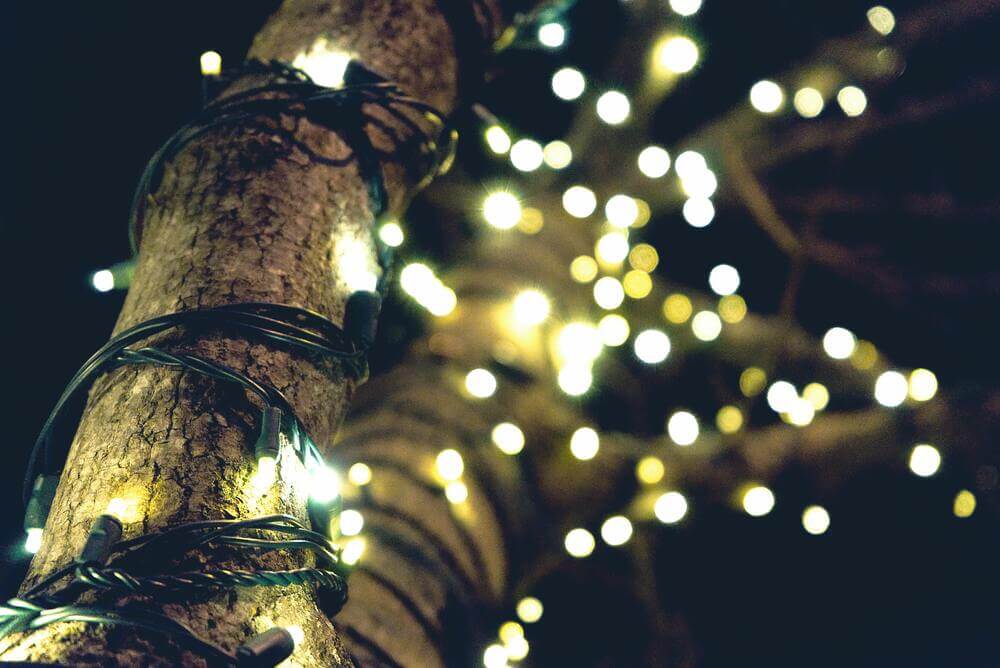
    How to decorate outdoor trees with lights

    How to decorate outdoor trees with lights

    If you have beautiful trees in your garden, decorating them with lights isn’t just for Christmas. Outdoor tree lights can create a cosy summer feel that subtly illuminates your garden and highlights your landscape. Here are our top tips for decorating your trees with garden lights effectively and safely.

    You will need:

    • Outdoor-rated string lights
    • An outdoor-rated extension cord
    • Ladder (if needed)
    • Zip ties or twist ties

    We recommend choosing LED lights as these are the most energy-efficient, long-lasting and cool to touch. Mini strip lights or C7/C9 bulbs are popular for outdoor trees.
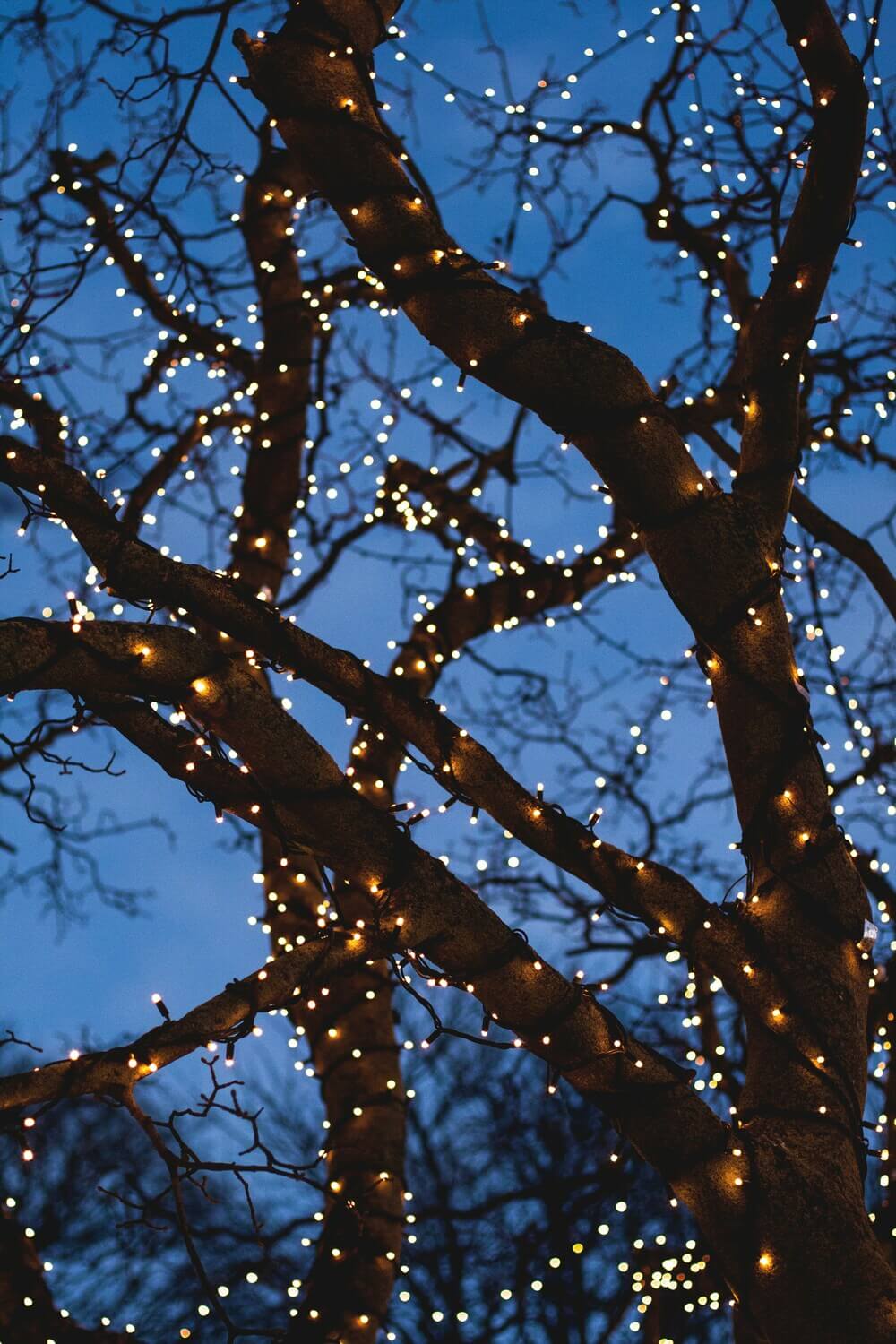
    String lights wrapped around a tree

    Steps:

    1. Plan your design. Decide where you want to wrap your strip lights: the trunk, the branches or both. Make sure you have enough for your plan. Measure the tree’s height and width to determine how many strip lights you need. A good rule of thumb is 100 lights per vertical foot.
    2. Test the lights. Plug in the lights before hanging them to ensure they work.
    3. Start with the trunk. Begin wrapping the lights around the trunk from the base upwards. Secure the lights every few loops with zip or twist ties, ensuring not to tie them too tight to avoid damaging the tree. Use the ladder to reach the higher trunk area.
    4. Move to the branches. Extend the lights along the branches after you’re happy with the trunk. Focus on the main branches for larger trees, then move on to smaller ones if you have enough lights. Take a few steps back occasionally to assess the distribution of lights and make adjustments as necessary for a balanced look.
    5. Use the extension cord. Use an outdoor-rated extension cord to connect the lights to a power source. Ensure the connection is secure and elevated off the ground to avoid water contact.
    6. Secure the end. Once you’ve reached the end of the light strip, secure it with a zip or twist tie.
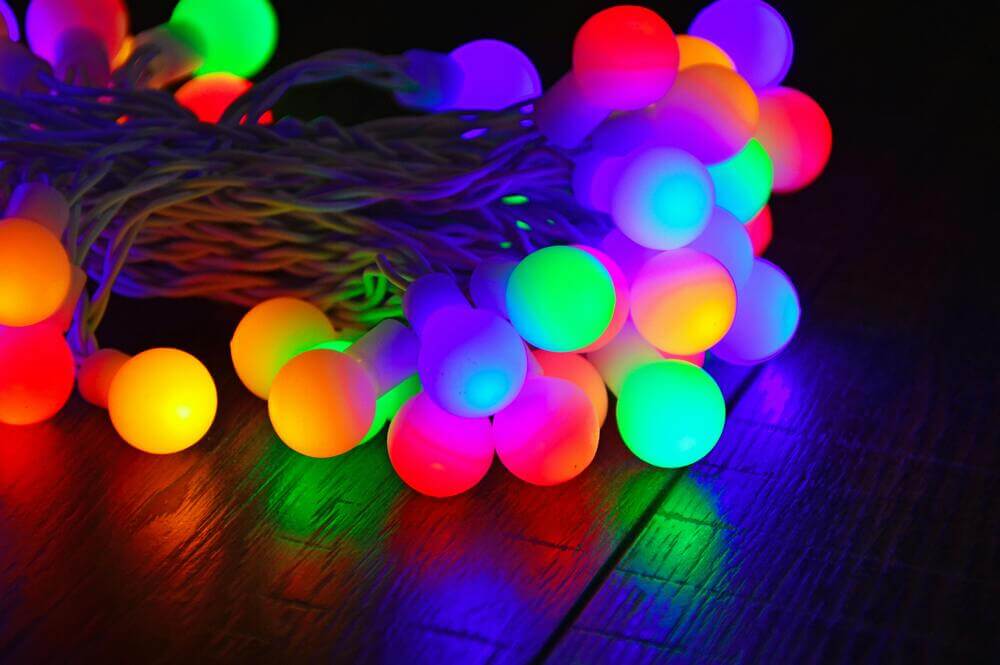
    Colourful string lights

    Creative ideas:

    • Add other decorations to your illuminated tree, like ribbons, ornaments or themed embellishments for a magical effect or to complement a party theme.
    • Use different colours to create different lighting effects or for different seasons.
    • Choose string lights with twinkle effects or a flash setting for added sparkle. Combine with other lights, like hanging solar lanterns on the branches, to enhance your lightscape.
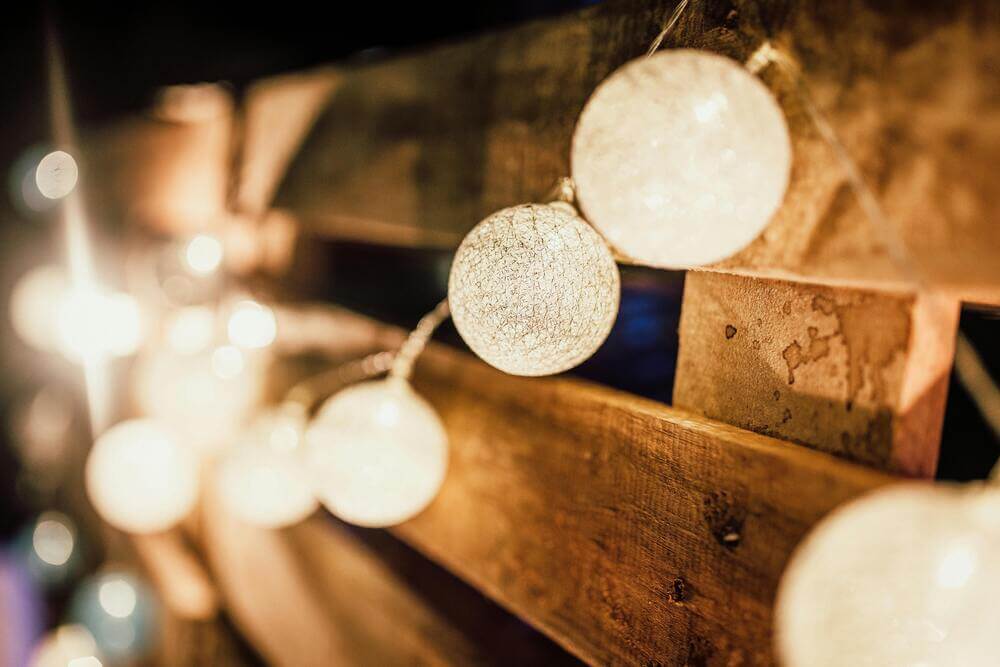
    How to hang outdoor string lights

    How to hang outdoor string lights

    If you don’t have any trees in your garden, you can still use string lights to create a gorgeous and welcoming lightscape. Here are our top tips on hanging outdoor string lights in your garden.

    You will need:

    • Outdoor string lights
    • An outdoor extension cord
    • Hooks, wall anchors or nails for securing the lights
    • Zip ties, twist ties or clips for additional securing
    • Ladder if necessary
    • Measuring tape
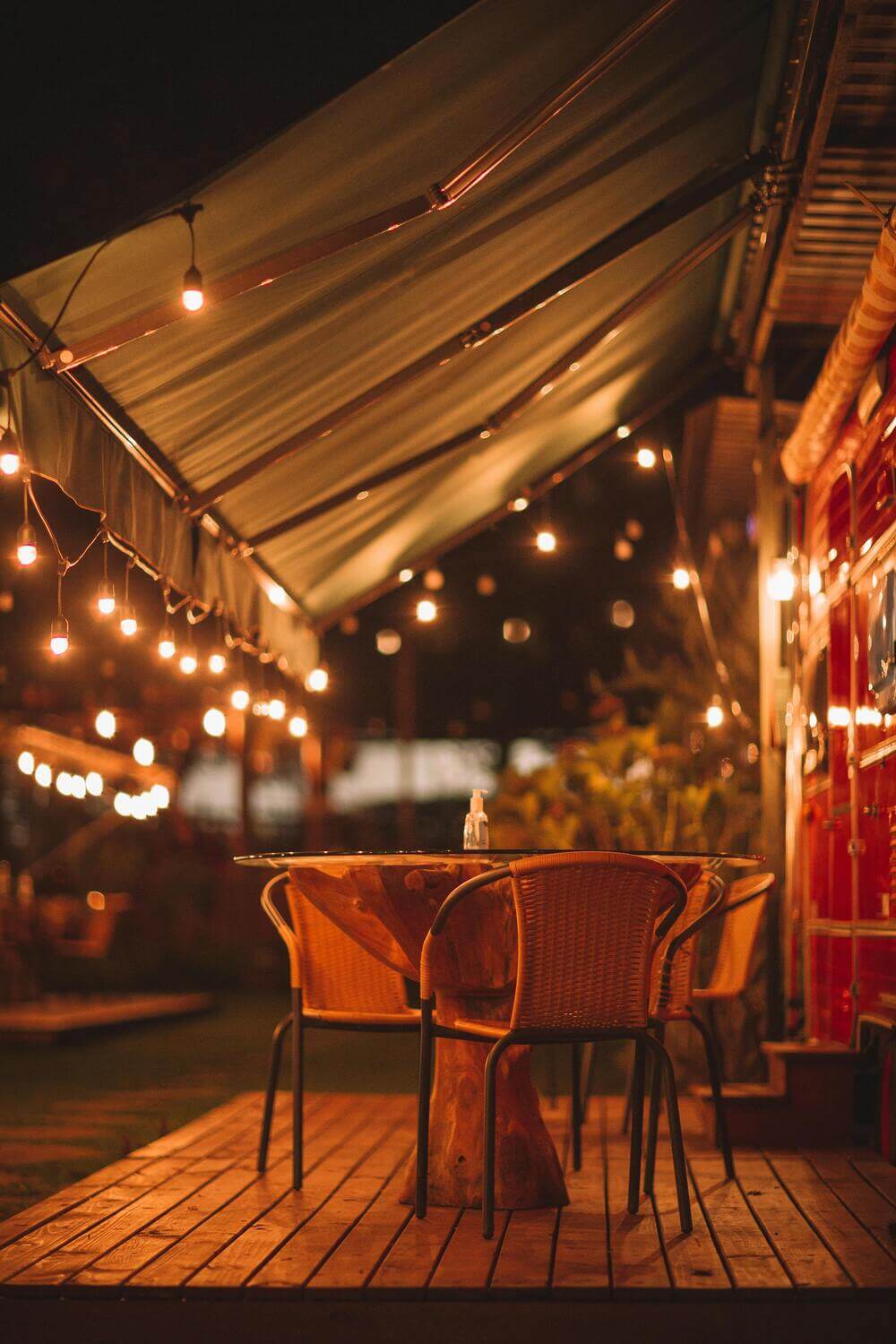
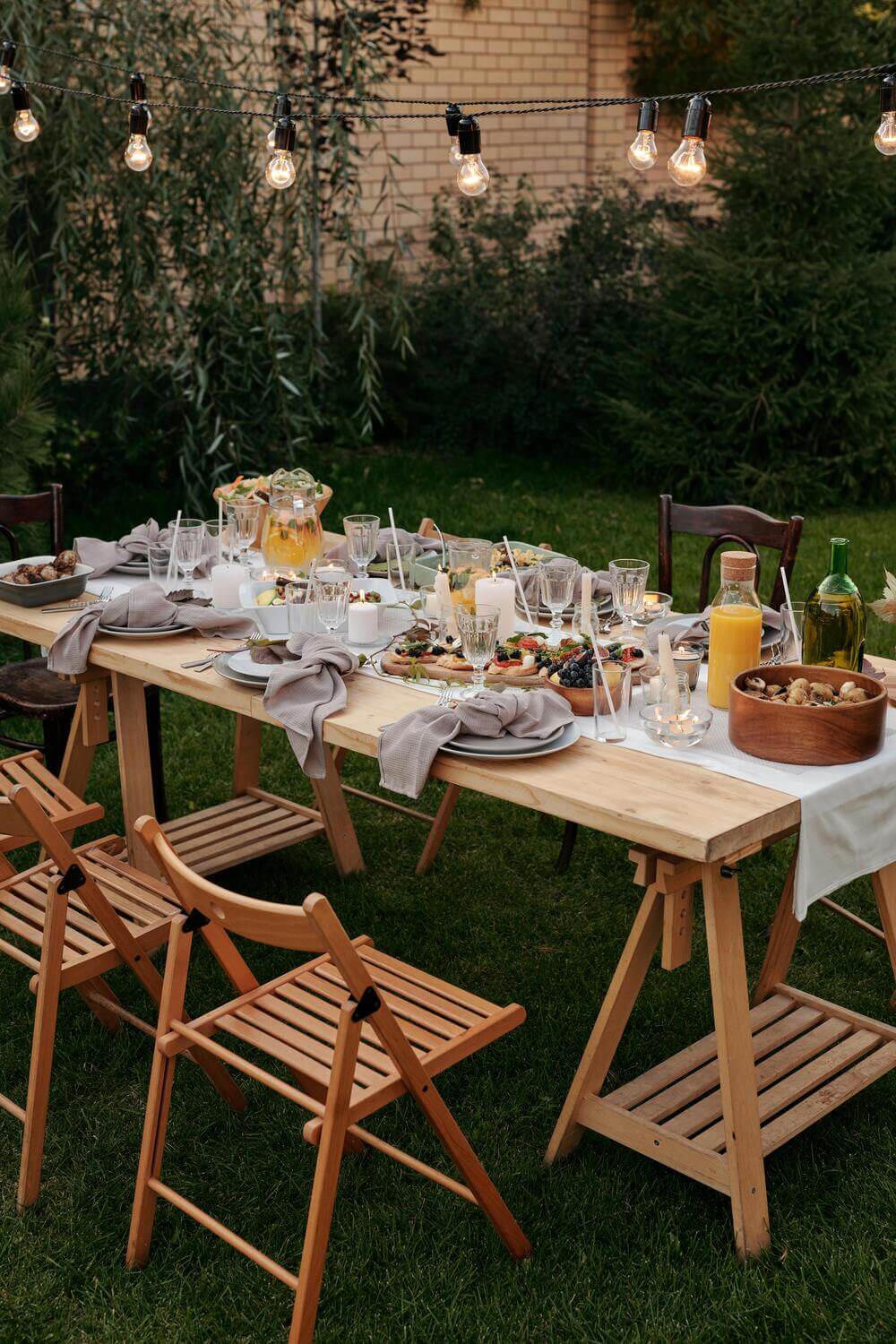
    String lights on a patio awning.

    Steps:

    1. Plan your layout: First, decide where you want your string lights to hang. There are multiple options, for example, along your fence, a canopy, or between trees or plants. Do you want them in straight lines, zigzags, V-pattern or canopy style? Every garden is different, so this is your opportunity to get creative.
    2. Measuring. Once you’ve decided, measure the area to determine how many strip lights you need.
    3. Test your lights. Always test your lights before you set them up to ensure they work and avoid disappointment.
    4. Install anchor points. Identify where you will attach the lights, for example, walls, trees, poles or fence posts. Install the hooks, wall anchors or nails at these points, ensuring they are strong enough to hold the weight of the lights.
    5. String the lights. Begin at the power source and work around so you don’t run out of lights before reaching the power outlet. Attach the lights to the hooks or anchors. Use zip or twist ties to secure the lights for added stability.
    6. Adjust and secure. Adjust the lights so they are evenly spaced. Secure loose sections with additional ties or clips to prevent sagging.
    7. Connect the power. Use your outdoor-rated extension cord to connect the lights to your power source and ensure it is elevated off the ground to avoid water contact.

    Creative hanging light ideas:

    You can hang string lights in your garden in many ways to create a cosy, inviting space. Here are some ways you can transform your garden with string lights.

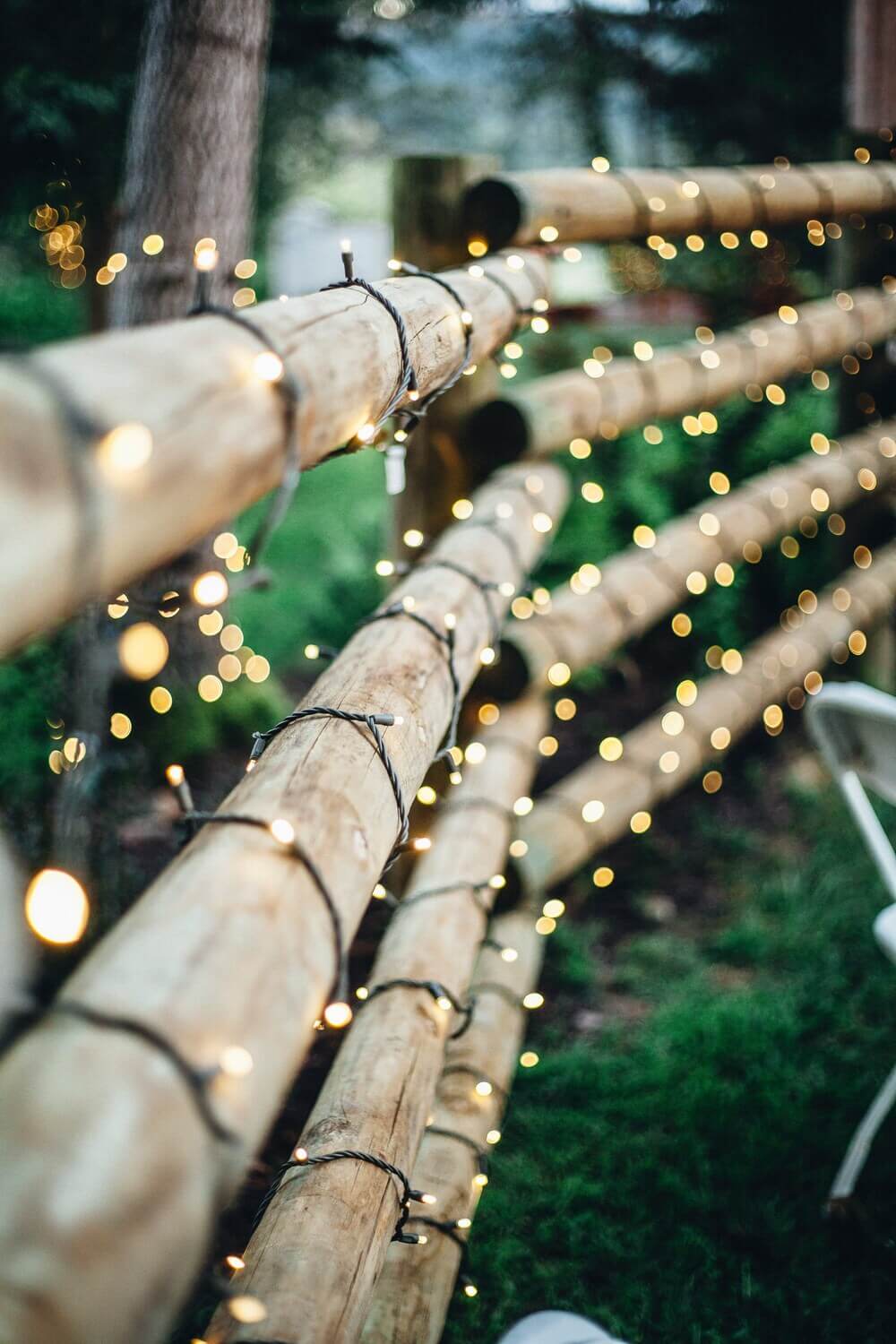
    1. Suspend lights along your fence. Attach lights along the top of your fence for a cosy glow around your garden perimeter.
    2. Wrap around tree branches. Read the section above to discover how to make a whimsical effect using string lights on your trees.
    3. Suspend lights on your patio cover. Hang string lights from a pergola or patio cover and get overhead lighting to brighten any evening in your garden.

    Use DIY poles. Create DYI poles using sturdy wood or metal to suspend your lights. Set the poles in cement-filled buckets for portable lighting poles. Alternatively, you can buy shepherd crooks to hang your garden lights from.
    How to attach outdoor lights to brick

    How to attach outdoor lights to brick

    If you don’t have many outdoor anchor points in your garden, you can use your house’s exterior wall as an anchor point. However, it can create a more permanent solution to hanging string lights by drilling into the brick, so bear this in mind.

    Attaching outdoor lights to brick can be challenging. But with the right tools and technique, you can securely suspend your lights without damaging the brick.

    You will need:

    • Outdoor string lights or any other outdoor lights you can hang
    • Masonry screws or anchors
    • Drill with a masonry bit
    • Hammer drill
    • Measuring tape
    • Hooks or clips designed for brick
    • Screwdriver or drill driver
    • Marker or pencil
    • Outdoor extension cord
    • Ladder if needed
    String lights attached to brick

    Steps:

    1. Plan your layout. If you want to use your wall as an anchor point, plan where you want to attach the lights.
    2. Mark the attachment points. Use a marker or pencil to make where you will attach the hook or clip.
    3. Drill holes. Attach the masonry bit to your drill. For hard bricks, we recommend using a hammer drill. Drill the marked holes. The depth of the holes should match the length of your masonry screws or anchors.
    4. Insert anchors (if using). If you’re using wall anchors, insert them into the drilled holes and gently tap them with a hammer to ensure they are flush with the brick surface.
    5. Install hooks and clips. Screw in the hooks or clips using masonry screws or into the anchors. Ensure they are securely fastened.
    6. Hang your lights. Start at the power source and hang the lights on your installed hooks or clips. Work around the garden incorporating your brick hooks, ensuring the lights are evenly spaced. If you need extra security, use zip ties or additional clips.
    7. Connect the power. Use your outdoor-rated extension cord to connect the lights to the power source. Elevate any connections off the ground to avoid contact with water.
    8. Test the lights. Plug in the lights to ensure they work, and make adjustments as necessary to create the look you want.

    Alternatively, you can use adhesive-backed hooks or clips for lightweight string lights for outdoor use or heavy-duty ones if you want a more temporary set-up. Ensure that the surface is clean and dry before you apply them.

    You can also use brick clips that clip onto the brick without drilling a hole. They work well for bricks that protrude slightly from the mortar.

    For heavier lights or permanent installation, use masonry screws and anchors.
    Top tips for hanging outdoor lights

    Top tips for hanging outdoor lights

    • Safety should be your primary concern when hanging lights high up in trees or on fences. Always use a sturdy ladder or have someone assist you if possible. For very high trees, consider using a tree harness.
    • Avoid overloading the extension cord. Do not connect more than three strings of lights end-to-end unless specified by the manufacturer.
    • Ensure all your lights, extension cords, and connections are weather-resistant and rated for outdoor use.
    • Use LED lights to save energy costs and for long-erlasting illumination.

    String lights at Castlegate Lights

    Now that you know how to create the perfect ambience in your garden this summer using string lights. Whether you prefer fairy lights or festoons, create the perfect backdrop to relax or host guests in your garden this summer.

    Shop our range of string lights at Castelgate Lights for the perfect way to enhance your garden and create an enchanting outdoor space this summer.

    Related blogs:
  • Everything you need to know about solar lights

    Everything you need to know about solar lights

    If you’re thinking about illuminating your garden with solar lights, you’re in the right place. Solar lights can offer an eco-friendly and cost-effective way to illuminate multiple sections of your garden, from practical path lights to guide you to your door safely to decorative lanterns to create a cosy and inviting seating area for relaxing or entertaining guests.

    However, if you’re still unsure whether to choose solar lights rather than regular wired lighting, this blog is for you. In this guide, we’ll explain how solar lights work, their advantages and disadvantages, how long they last and how to maintain them to get the best light out of them.

    Table of contents:

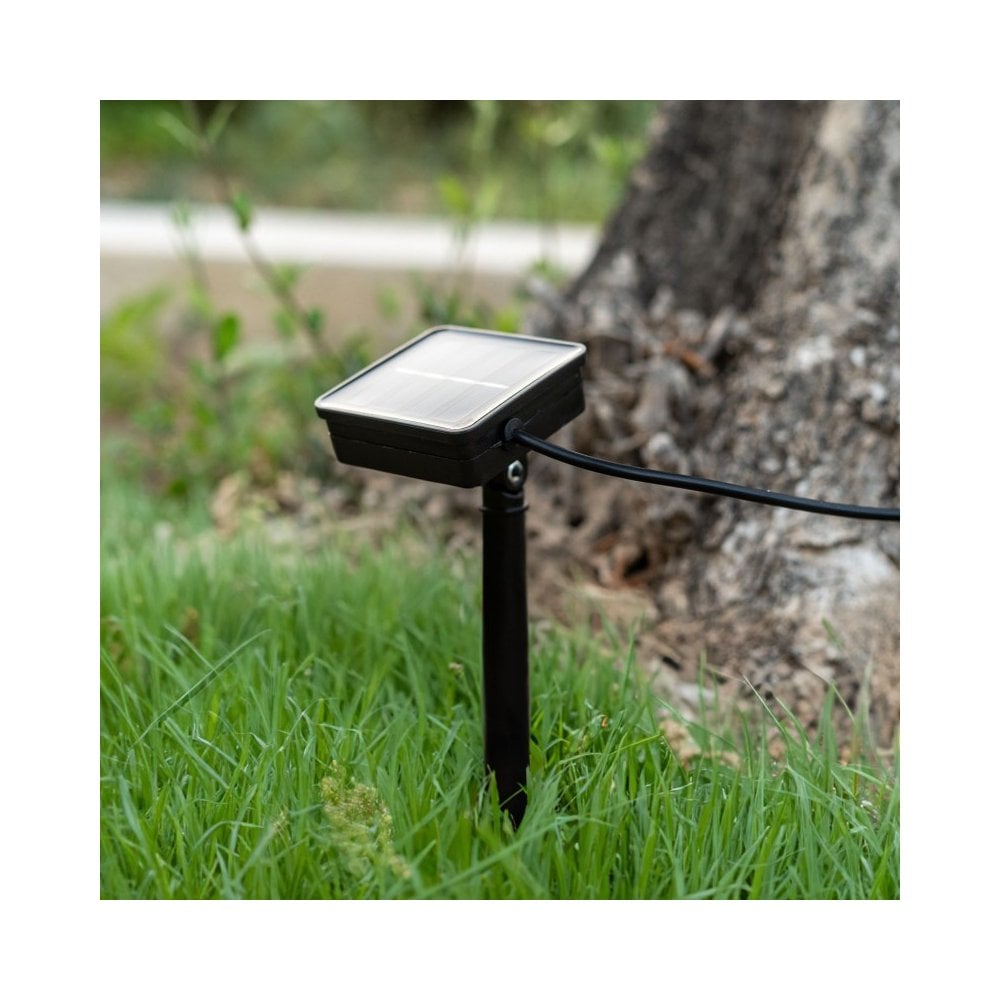
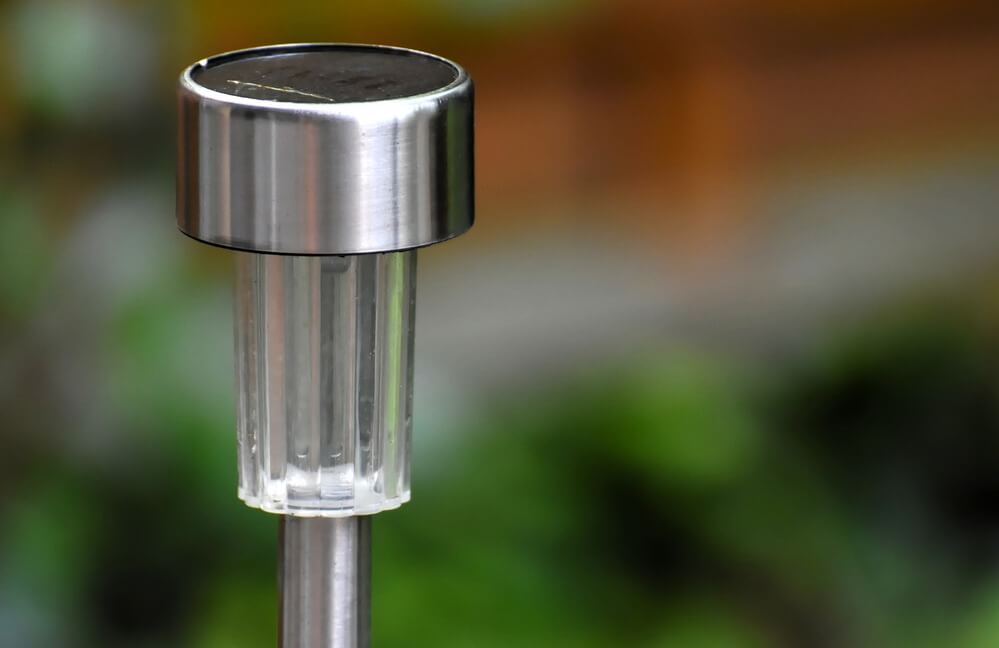
    Outdoor solar light panels stuck into the grass with a spike absorbing sunlight.
    Suri 6.5M Kodos Solar LED String Lights With 10 Lights

    How do garden solar lights work?

    Garden solar lights function by harnessing the power of the sun. Solar panels absorb sunlight, which is then converted into energy and stored in rechargeable batteries. When the sun sets, the stored energy powers the light-emitting diodes (LEDs), providing a sustainable way to brighten your outdoor space.

    Components that make up a garden solar light:

    • Solar panel – converts sunlight into electrical energy.
    • Rechargeable battery – stores the electrical energy generated by the solar panel.
    • LED light – provides illumination using the stored electrical energy.

    Photoreceptor (light sensor) – detects the absence of sunlight and turns the solar light on at dusk and off at dawn.

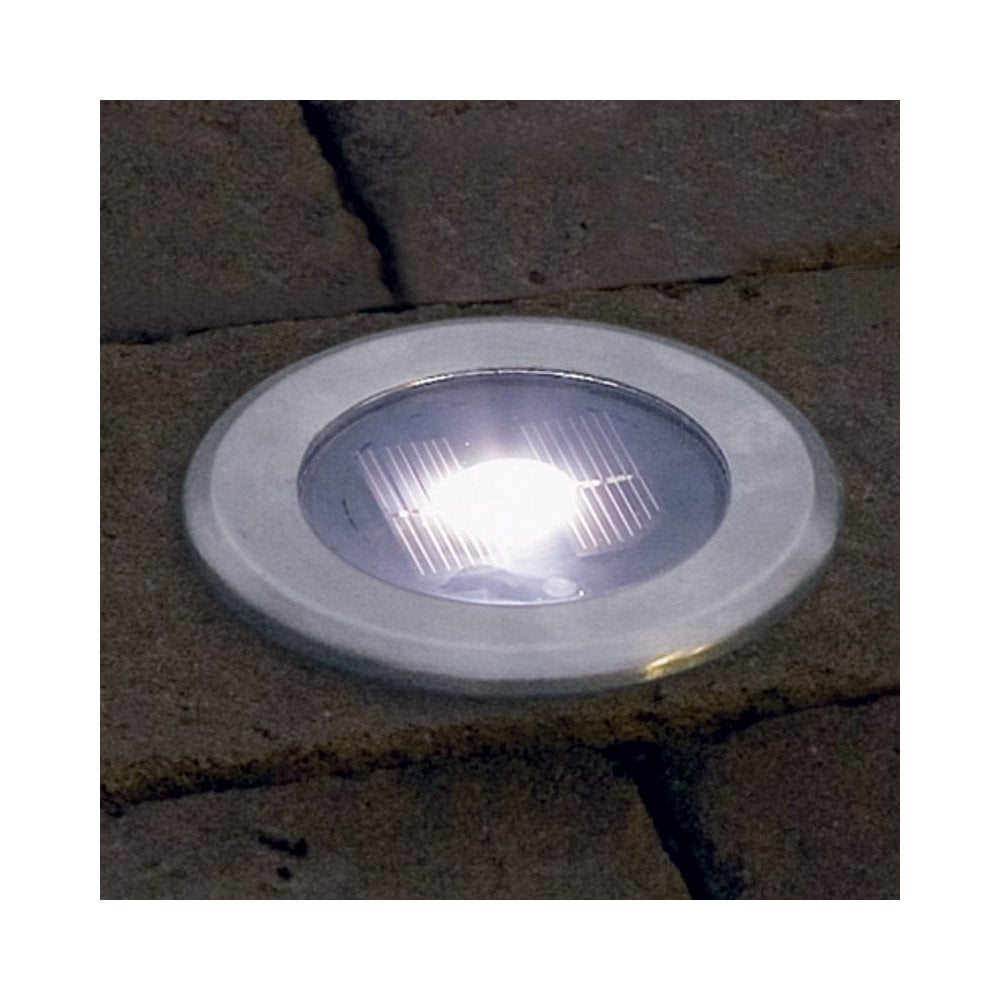
    Ground walkover solar light.
    Konstsmide Solar LED Ground Light In Stainless Steel Finish

    Working principals of solar lights

    This section provides a more detailed explanation of how solar garden lights work.

    Energy conversion

    During daylight hours, the solar panel absorbs sunlight and converts it into electrical energy through the photovoltaic effect. This energy is used to charge the rechargeable battery.

    Energy storage

    The rechargeable battery stores the electrical energy generated by the solar panel throughout the day. Nickel-metal hydride (NiMH) or lithium-ion (Li-ion) batteries are commonly used for their efficiency and longevity.

    Light activation

    As night falls, the photoreceptor detects the decreasing light levels. It triggers the LED light to turn on and use the stored electricity from the battery.

    Illumination

    LEDs are used because they are highly energy efficient and have a long lifespan. The LED light will remain on throughout the night unless the light has an off switch.

    Cycle repeats

    When the sun rises, the photoreceptor detects the light increase and automatically turns off the LED light. The solar panel begins generating and storing energy again, thus repeating the cycle.

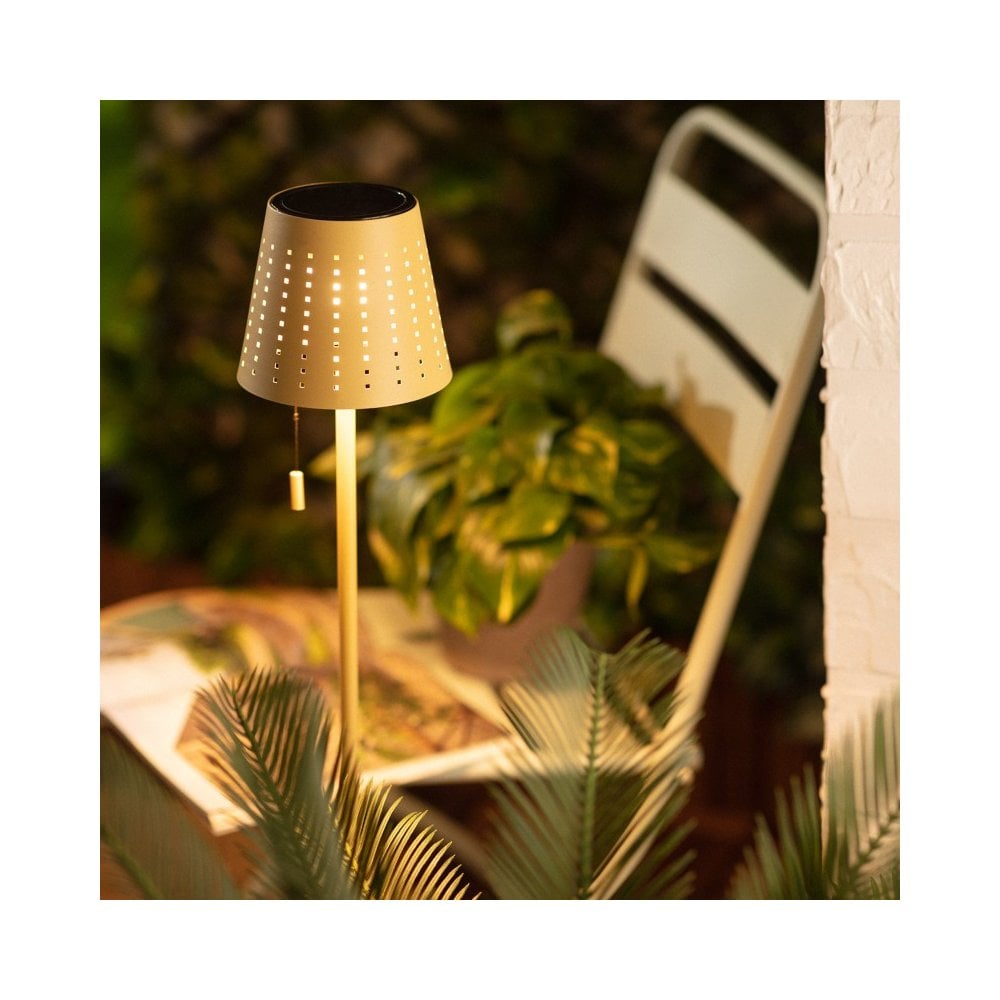
    Outdoor floor solar lamp.
    Suri Banate Solar LED Outdoor Floor Lamp In Yellow Finish

    In addition, solar garden lights are designed to withstand outdoor conditions, including rain, snow and heat. Consider the IP rating, which will indicate how protected it is against water and dirt based on the conditions of where you live and where you want to place your solar lights.

    Solar lights come in various designs and styles, from simple path lights to decorative lanterns and string lights to suit your garden and needs.

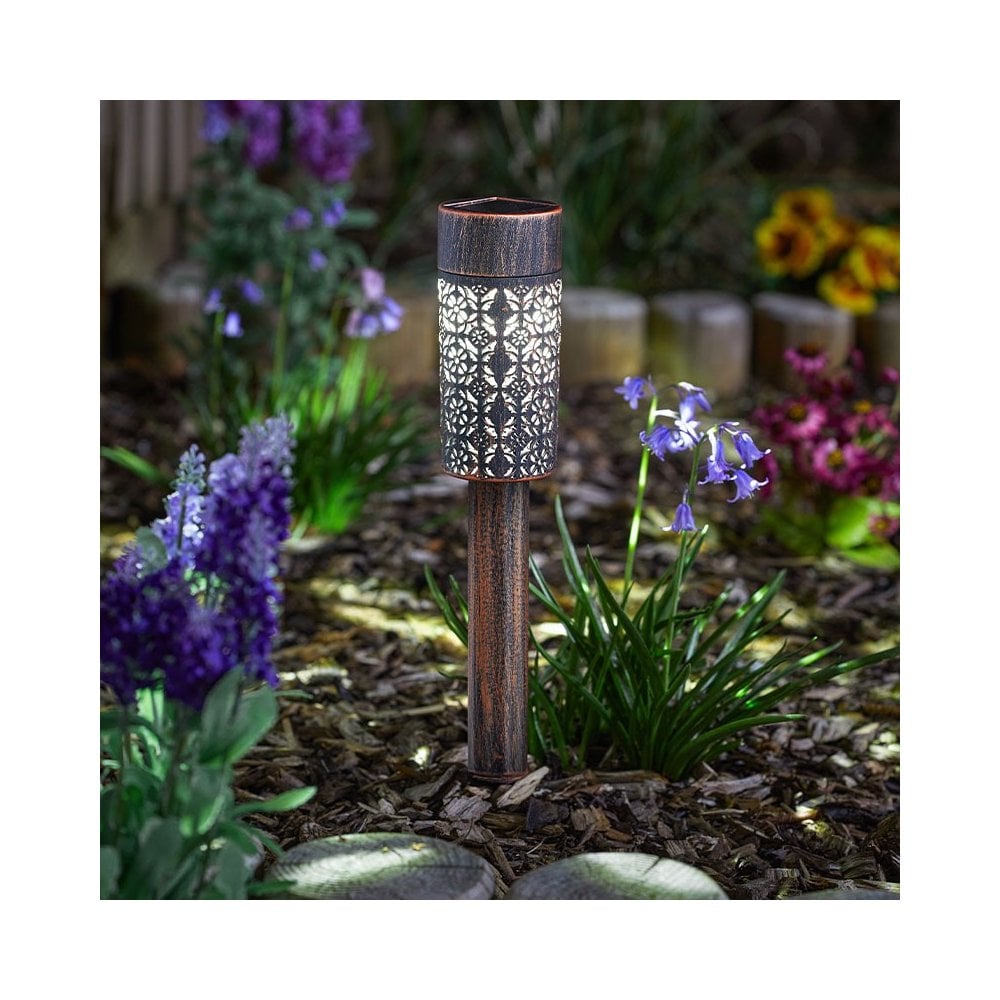
    Outdoor solar spike path light in a flower bed.
    Suri Damasque Pack of 4 Solar LED Stake Light In Bronze Finish

    Advantages and disadvantages of solar lights

    If you’re considering purchasing solar lights for your garden, weigh the advantages and disadvantages first.

    Advantages

    • Eco-friendly: Solar garden lights are eco-friendly. These lights won’t increase your carbon footprint as they use renewable solar energy.
    • Lower energy costs: They also won’t add to your energy costs. Once installed, they will use the sun’s energy to illuminate rather than your electricity, making them a cost-efficient garden light solution.
    • Easy to install: With no wiring required, you can install and relocate them easily.

    Disadvantages

    • Sun dependent: Solar lights are dependent on the sun. Their performance can be affected by the amount of sunlight they receive, meaning their light can vary depending on the weather conditions and seasons.

    Rechargeable batteries: Additionally, their rechargeable batteries have a finite lifespan, which you may have to replace after a few years.

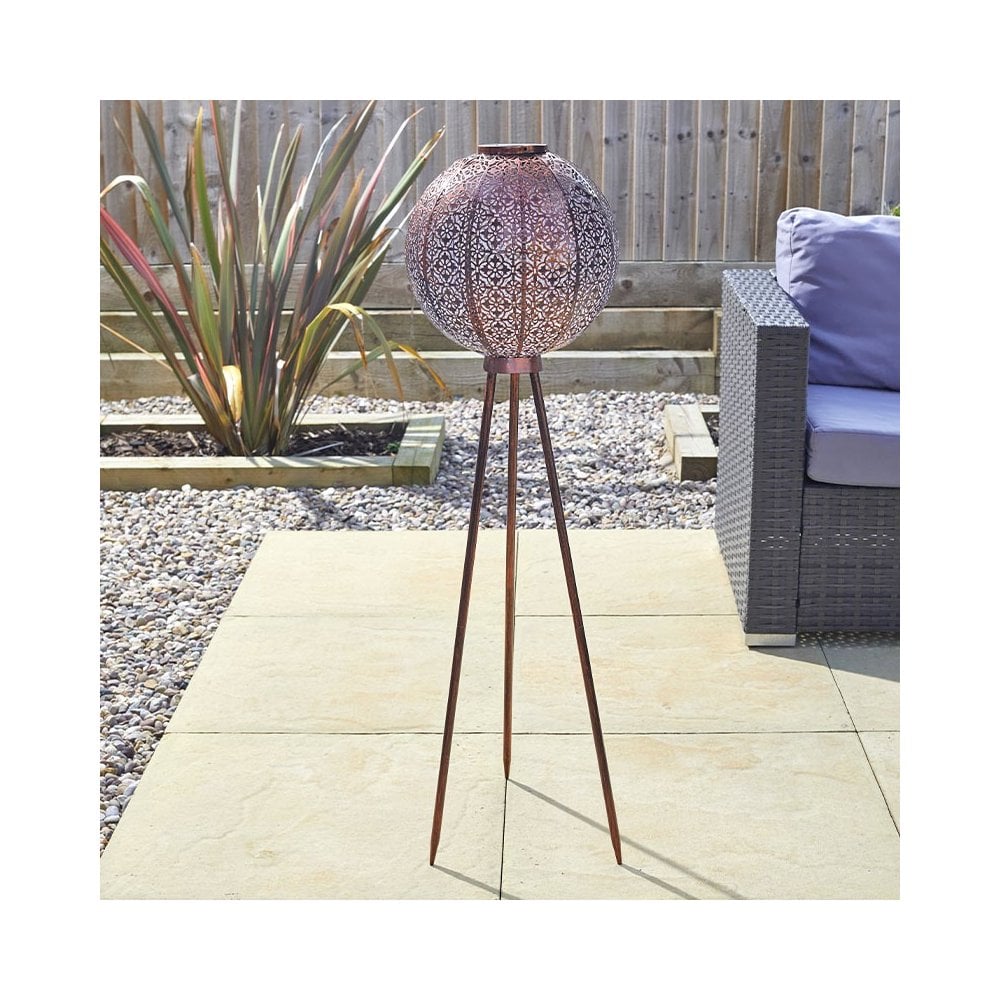
    Outdoor solar floor lamp on a patio.
    Suri Damasque Solar LED Outdoor Tripod Floor Lamp In Bronze Finish

    Do solar lights need direct sunlight?

    Solar lights don’t necessarily need direct sunlight, but you may get reduced light without it.

    With direct sunlight, solar lights get the maximum energy from their solar panels. This leads to the most efficient battery charge, ensuring the light stays on longer and shines more brightly at night. Also, solar lights placed in direct sunlight will charge more quickly compared to those in shaded areas.

    Solar lights can still charge in indirect sunlight or cloudy conditions, but the charging process is slower and less efficient. Solar lights under trees or next to buildings will receive less light, impacting their performance. It’s best to place them where they will receive the most sun throughout the day.

    Tips for maximising your solar light performance

    • Position your solar lights where they will receive the most direct sunlight throughout the day. Avoid shaded areas.
    • Adjust the angle of the solar panel to face the sun directly. Some solar lights come with adjustable panels for this purpose.
    • Keep your solar panels clean and free of debris, dust or snow to ensure they can absorb as much sunlight as possible.
    • Periodically check and replace the battery if it’s not holding charge.
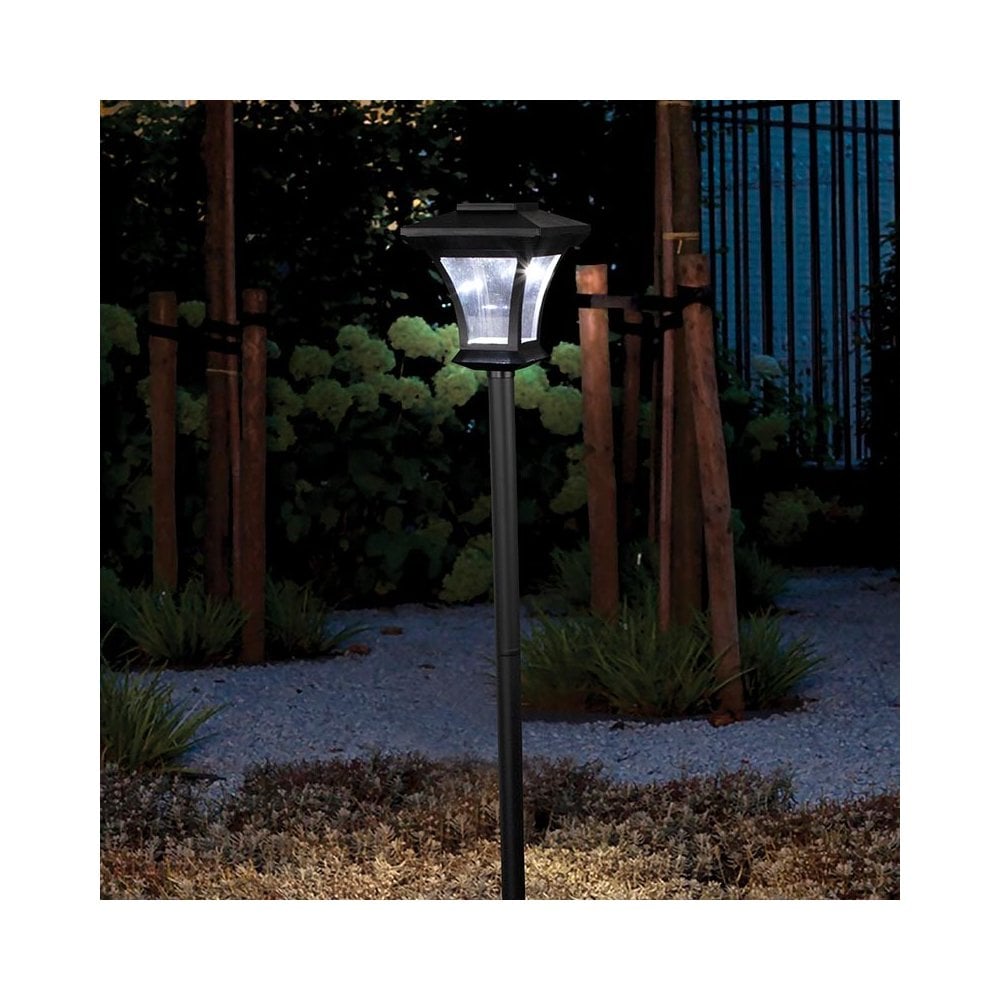
    Outdoor solar post light.
    Suri Fawn Solar LED Lamp Post In Black Finish

    Do solar lights work in winter?

    Yes! Solar lights work in winter, but the season can affect their performance. Here are the main factors during winter that affect solar light performance and tips to help them function more effectively.

    Reduced daylight hours

    Winter days are shorter, meaning fewer hours of sunlight are available to charge the solar panels. Plus, longer nights require the solar lights to stay on for longer, which can lead to the battery never being fully charged.

    Lower sun angle

    The sun’s position is lower in the sky during winter, which can reduce the intensity of sunlight reaching the solar panels and reduce the battery charging rate.

    Weather conditions

    During winter, there is typically more cloud cover, which reduces the amount of sunlight, leading to less efficient charging. Snow and ice build-up can also cover the solar panels, blocking the sunlight from getting to them and preventing the battery from charging.

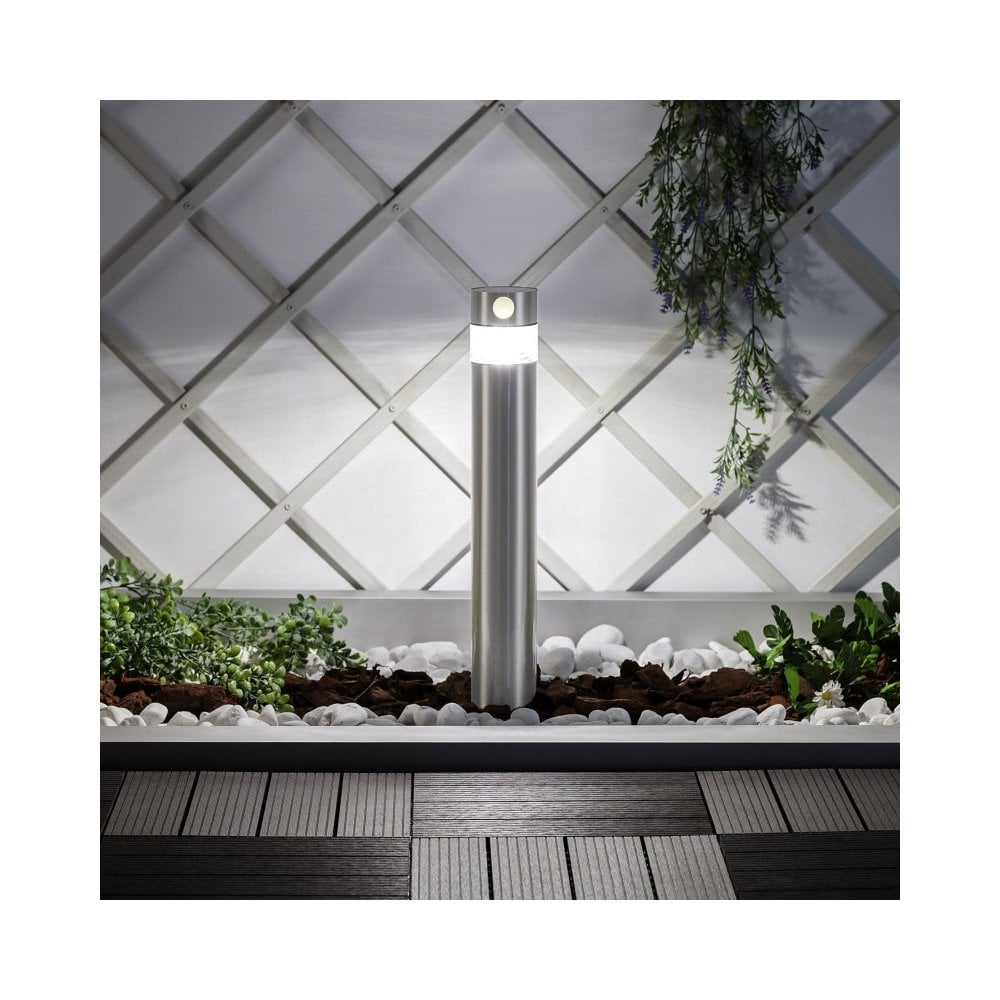
    Outdoor solar pillar light illuminating a path.
    Suri Inti Solar LED Post Light with PIR Sensor In Stainless Steel Finish

    Tips to help your solar light work better in winter

    There are ways you can help to keep your solar light working through wither. Simply follow these tips:

    1. Optimal placement. Maximise sun exposure by placing the solar light where it will receive the most direct sunlight, avoid shade and angle the solar panel towards the sun. You can also ensure the area around the solar lights is free of obstacles that might cast a shadow, like buildings or trees.
    2. Regular maintenance. Regularly clean your solar panels to remove snow, ice, dirt and debris to prevent them from blocking the sunlight.
    3. Battery care. Check the rechargeable batteries and replace them if they’re not holding charge well. If you notice the solar lights aren’t performing well in harsh conditions, consider storing them during the worst part of the winter.
    4. Higher capacity batteries. Consider using higher-capacity batteries that can store more energy, giving you longer illumination even with reduced charging times.

    Choose efficient models. Not all solar lights are equal. If you want them to work during winter, choose solar lights that have better efficiency and work better during low light conditions.

    Outdoor square matte black solar pillar lights.
    Suri Kenya 80 Cool White Solar LED Post Light with Motion Sensor In Black Finish

    How long do solar lights last?

    The lifespan of solar lights can depend on several factors, including the quality of the light, environmental conditions and how well you maintain them. Here is a rough breakdown of how long different components last in a solar garden light.

    Solar panels

    Solar panels on solar garden lights typically last between 10 and 20 years. Over time, they will degrade, and their efficiency in converting sunlight to energy will decrease.

    Rechargeable batteries

    Most rechargeable batteries in solar lights will last between 1 to 3 years. Their lifespan can be affected by the number of charge cycles, exposure to extreme temperatures, and overall usage patterns.

    LED bulbs

    LEDs are durable and can last between 10,000 and 50,000 hours (around 10-15 years of typical use). LEDs are highly efficient and do not consume much power, contributing to the overall longevity of the solar light system.

    Housing, wiring and sensors

    The housing, wiring and sensors usually last as long as the solar light is made from durable materials and properly maintained.

    Overall, solar lights have varying lifespans depending on their components. A high-quality solar light can last between 5 to 10 years. Regular maintenance like cleaning, replacing batteries and protecting lights from harsh weather can extend their lifespan.

    Outdoor solar spike light in garden bed.
    Suri Prima Set of 4 Solar Powered Integrated LED Spotlights In Black Finish

    What influences the lifespan of solar lights?

    Several factors influence the lifespan of solar lights; here are the main ones:

    • Quality – higher quality solar lights with better materials and construction will last longer. Look at price and brand reputation to determine quality.
    • Environment – solar lights exposed to harsh weather such as extreme heat, cold or moisture will have a shorter lifespan. Placing them in a location that maximises sunlight while minimising potential damage, e.g. falling branches or flooding, will prolong their life.
    • Usage – Constant use without letting the batteries adequatly charge can strain the batteries and reduce lifespan.
    • Storage – Storing them during the off-season or extreme weather conditions can help extend their life, like intense heat or winter storms.
    • Regular cleaning – Regularly cleaning your solar lights to keep them free of dust, debris, and snow can extend their life.
    • Battery replacement – Replace the batteries when you notice a drop in performance will ensure you can keep using your solar lights for longer.

    Inspection – Periodically check for damage to housing, wiring and other componants to see if they need repairing or replacing.

    Outdoor solar string lights in circular lantern style.
    Suri 1.8M Chinese Lantern Set of 8 Solar LED String Lights

    Solar lights at Castlegate Lights

    Now you know everything there is to know about solar lights, you can make an informed decision about whether they are the best lighting for you and your garden.

    If solar lights are the right outdoor lights for you, look at our extensive collection of solar lights at Castlegate Lights to find the best style and design to illuminate your outdoor space.

    Related blogs:

  • Staying Outdoors This Summer

    The UK is currently enjoying a proper summer, with blue skies aplenty and hot sun rays beaming down, everybody is spending more time outdoors enjoying this luxury weather. Summer time isn’t the season you particularly associate with lighting due to the already bright nights, but it is the perfect time to make sure your garden is properly illuminated.

    With summer time in full swing the night time sky is often still light until 10pm, combined with the highest temperatures you have the perfect atmosphere for a garden party!

    Before a house party you would make sure that your home is tidy and looking its best, so the same applies to the garden during the summer. This beautiful sunshine should provide some much needed motivation to mow the lawn, clean down outdoor furniture and invest in some quality garden lighting so you are ready to display your back garden.

    When it comes to planting flowers and cleaning your patio stones we cannot help out, but when it comes to outdoor lights we have a wide variety to share with you. Here are our top 5 outdoors lights that would brighten up your garden:

    1. Elstead Lighting Globe Corrosion Proof Wall
    This is one of our most popular outdoor lights from Elstead, especially as it is so resistant against extreme weather conditions. It is able to survive during hot summer days as well as cold wintry evenings.

    Light 1

    2. Bell Lighting Outdoor Spot Recessed Colour Changing Lighting Set
    If you want something ultra modern and to be a feature of your outdoor space these colour changing lights will brighten up a patio area perfectly.

    Light 2

    3. Konstsmide Lyra Outdoor Wall Fitting
    If you prefer a more traditional style this wall light which comes in black or white would add a classic touch to your garden and a brilliant source of light.

    Light 3

    4. Searchlight White LED Slip Resistant Floor Light
    These unique LED floor lights look brilliant and brighten up the floor making a great walkway in the dark, they also have up to 40,000 hours life.

    Light 4

    5. Endon Lighting Stainless Steel LED Wall Bracket
    If you want a sleek and stylish looking garden these wall brackets with pretty LED and stainless steel design are sure to get noticed.

  • The Perfect Touch for a Summer’s Evening!

    Make the most of your summer nights by setting the perfect mood in your garden. From classic Elstead lanterns & light posts to modern Firstlight LED wall & step lights, here at Castlegate we have a stunning outdoor & garden range at spectacular prices.

    Elstead

    So why not visit us today and give your garden the light it needs to make your summer evening bbq’s & parties that little bit more perfect.

    (more…)