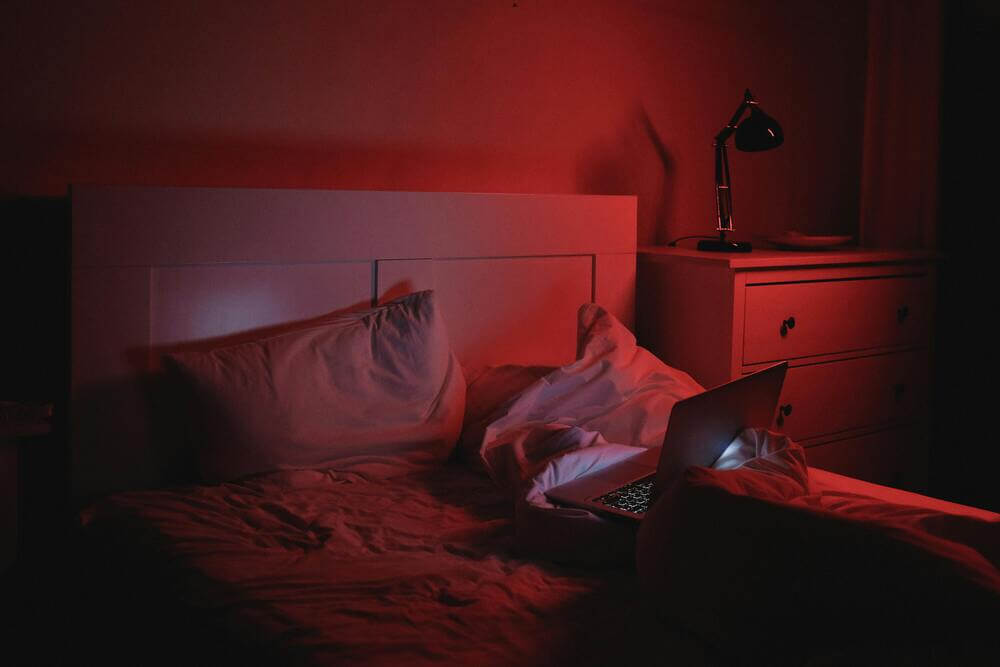
Dark rooms with no widows can feel cold and unwelcoming. If you have a room with limited light or no natural light, it could affect your sleep pattern and mental health.
Humans need a regular cycle of daylight and night darkness to keep a steady circadian rhythm. It can also make achieving daily tasks like cooking, reading or washing more difficult if your body isn’t in tune with this rhythm.
Ideally, you want enough natural light in your bedroom when you need to wake up and in areas of your home where you conduct tasks, like the kitchen, bathroom and home office. However, if any of those rooms don’t have access to natural daylight, you need to recreate it to mimic the effects of daylight and reap the benefits.
Here, we’ll explain how to lighten a dark room with no natural light to help create a better living space.
Table of contents
- Understanding natural light bulbs
- How to choose the best natural light fitting
- How to brighten a dark room with no windows
- Additional tips on how to brighten a dark room
Understanding natural light bulbs
First, you should understand the Kelvin scale if you’re trying to brighten a dark room.
What is the Kelvin scale?
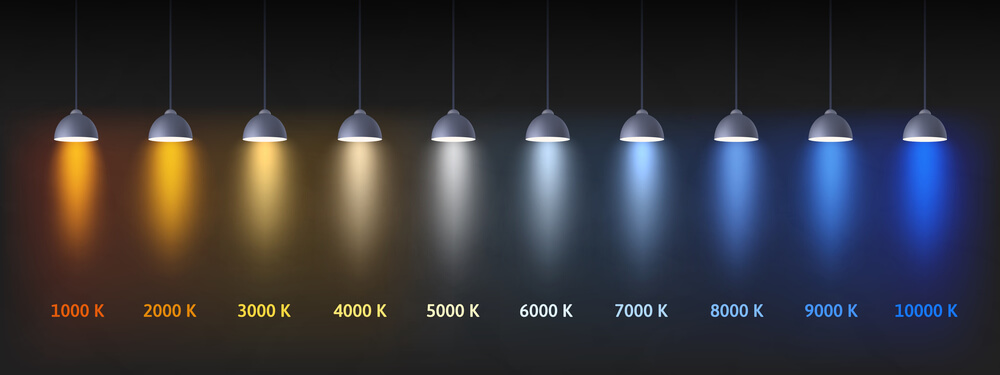
The Kelvin number indicates the colour temperature a light bulb emits. All bulbs will sit on the Kelvin scale and emit LED light from cool to warm white light. You can see the warmth of light emitted on the graphic above for a clearer visual of the Kelvin scale.
LED bulbs emit different coloured light because different materials used in the bulbs produce different photons at varying wavelengths, which appear as colours on a scale.
Bulbs that produce a natural light will be in the middle of the kelvin scale, somewhere between 4000 and 6500k.
Remember that natural sunlight changes colour temperature depending on the time of day, latitude and season. So, mimicking natural light falls on a spectrum, but anything between this range will help artificially bring natural light into your windowless room.
How to choose the best natural light fitting
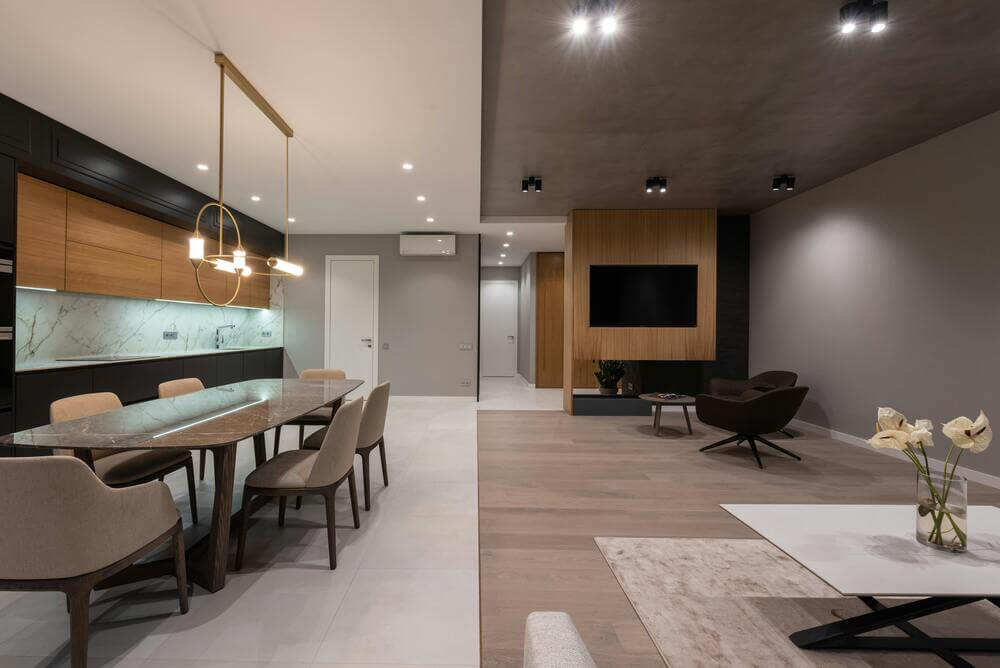
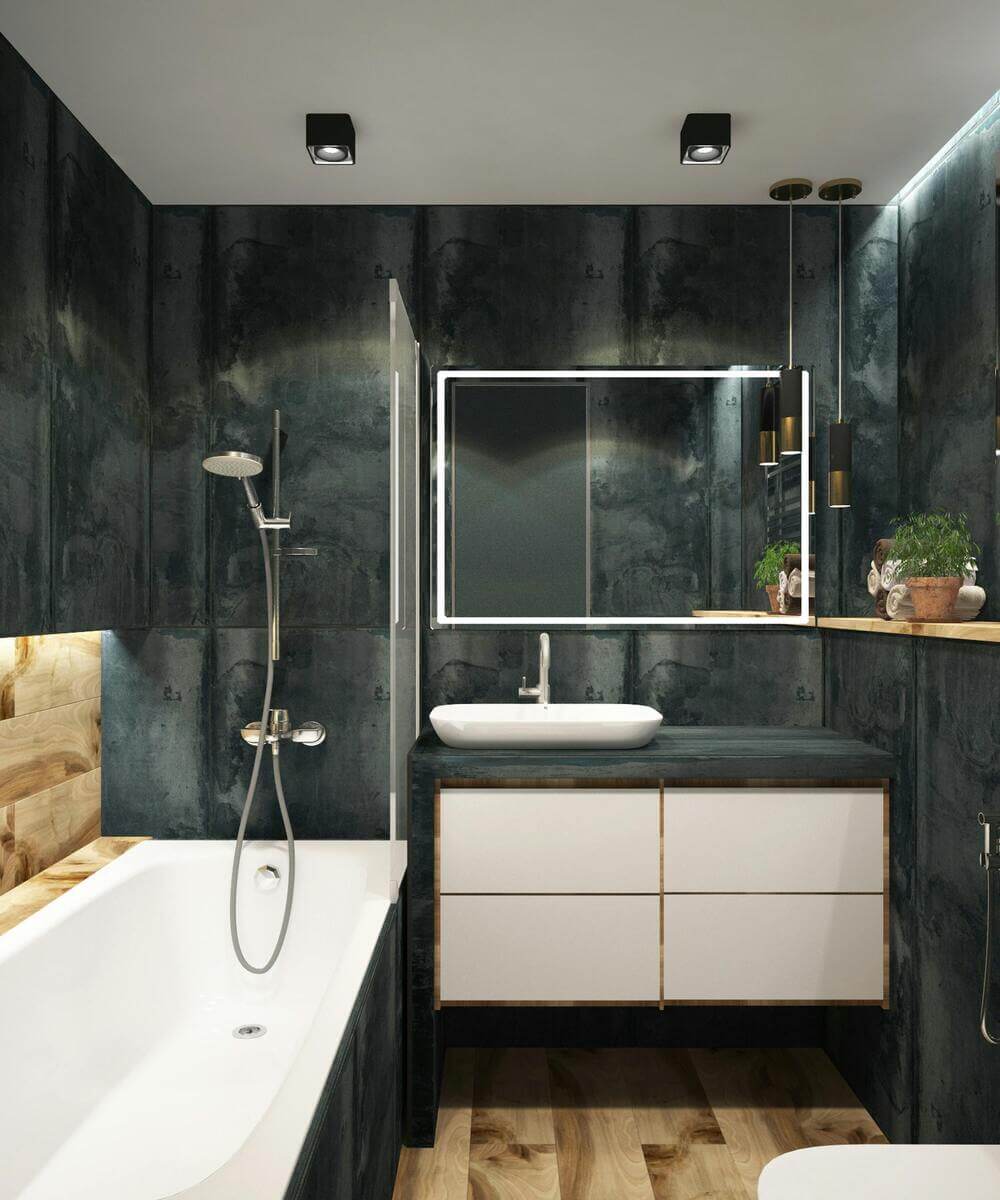
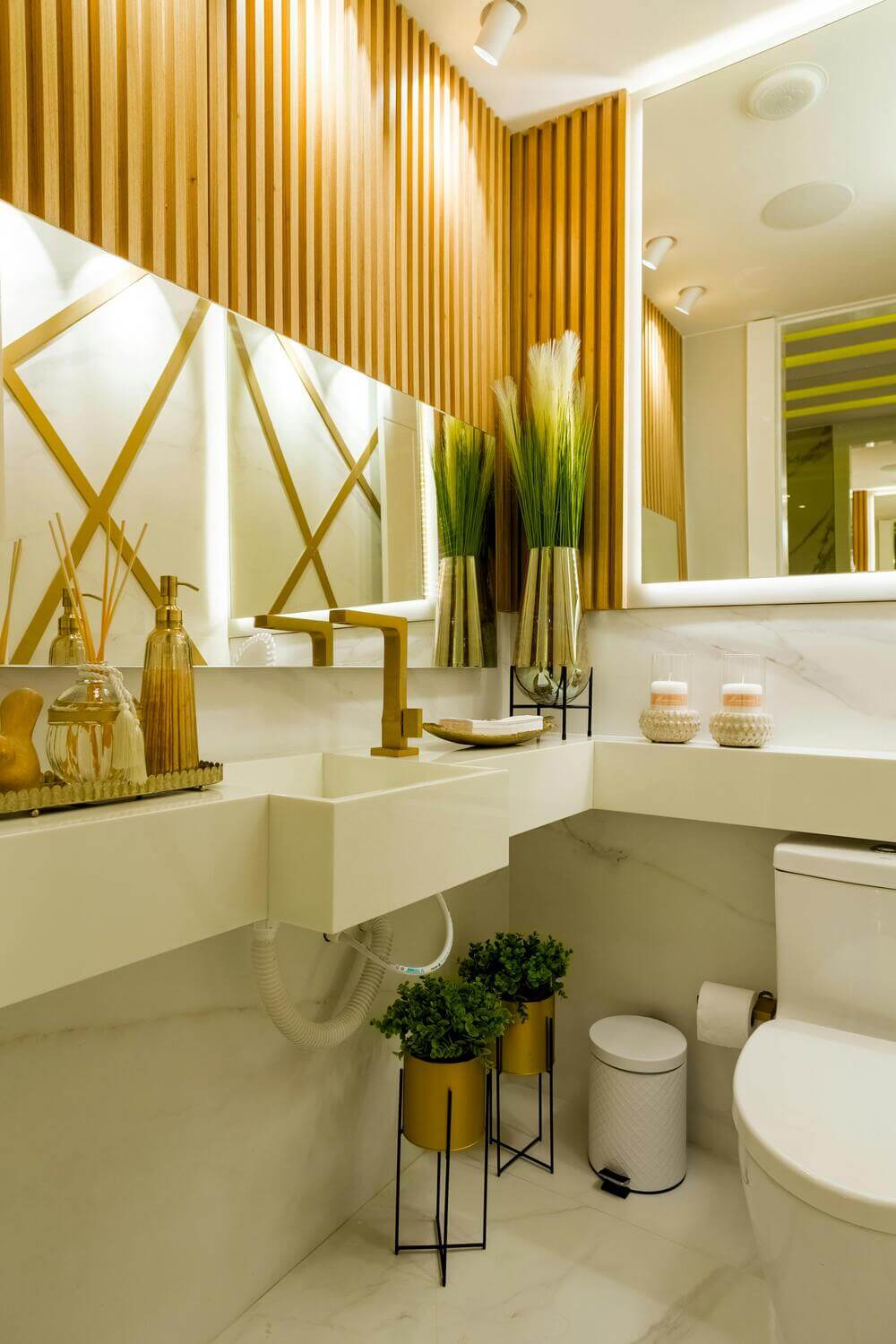
Choosing the best natural light fitting will depend on the room. If your bathroom or kitchen has no windows, you’ll want to select light fixtures closer to 6500K on the Kelvin scale. Natural daylight bulbs are the best option for cooking in the kitchen or doing your makeup in the bathroom.
Natural light will show colours how they are, which is perfect for completing tasks. Choose light fittings like spotlights and downlights for the kitchen and bathroom to bring the effects of natural light into your room.
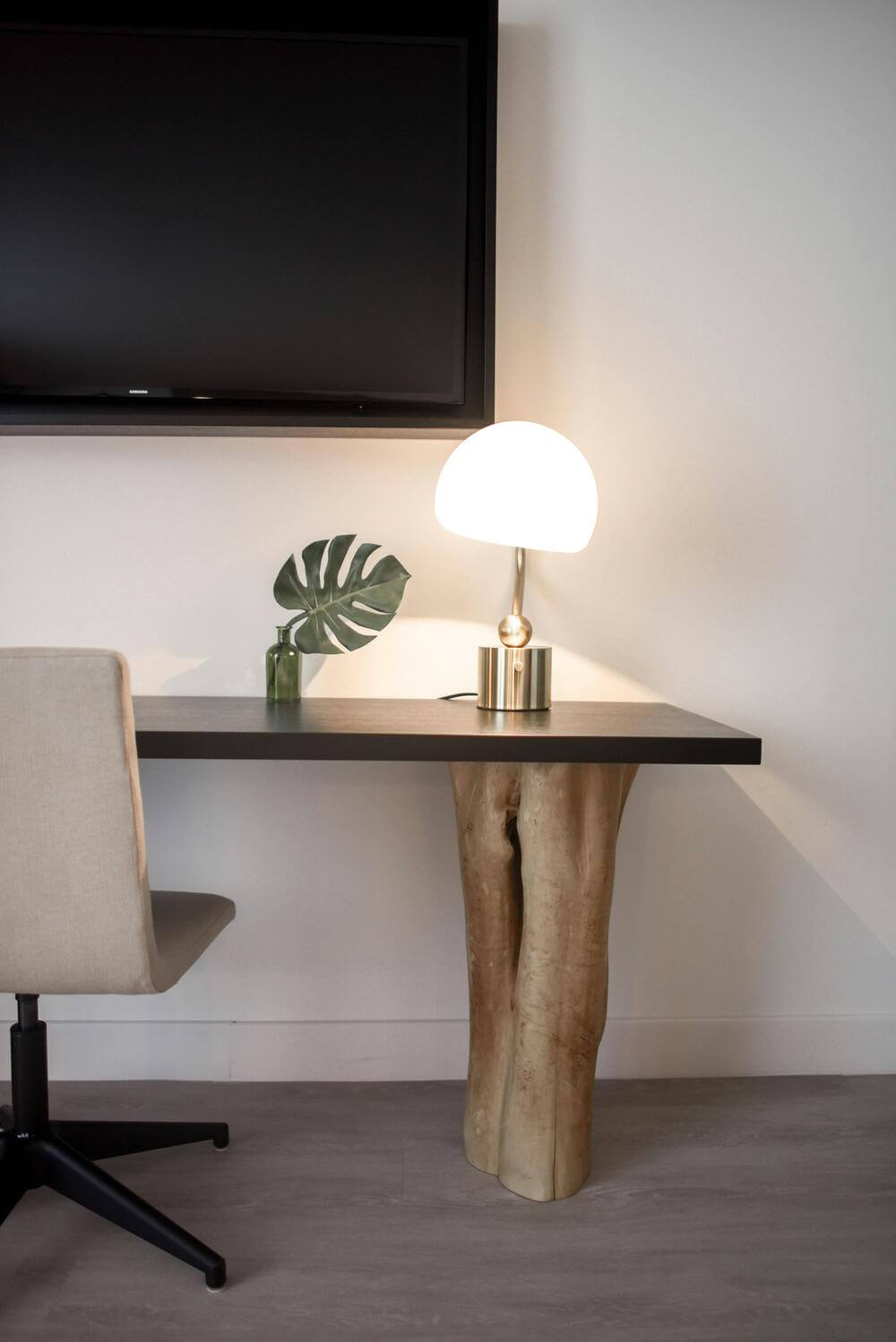
Similarly, for a windowless home office or study, you may want a desk lamp to emit natural light to help you see your work, concentrate and feel awake.
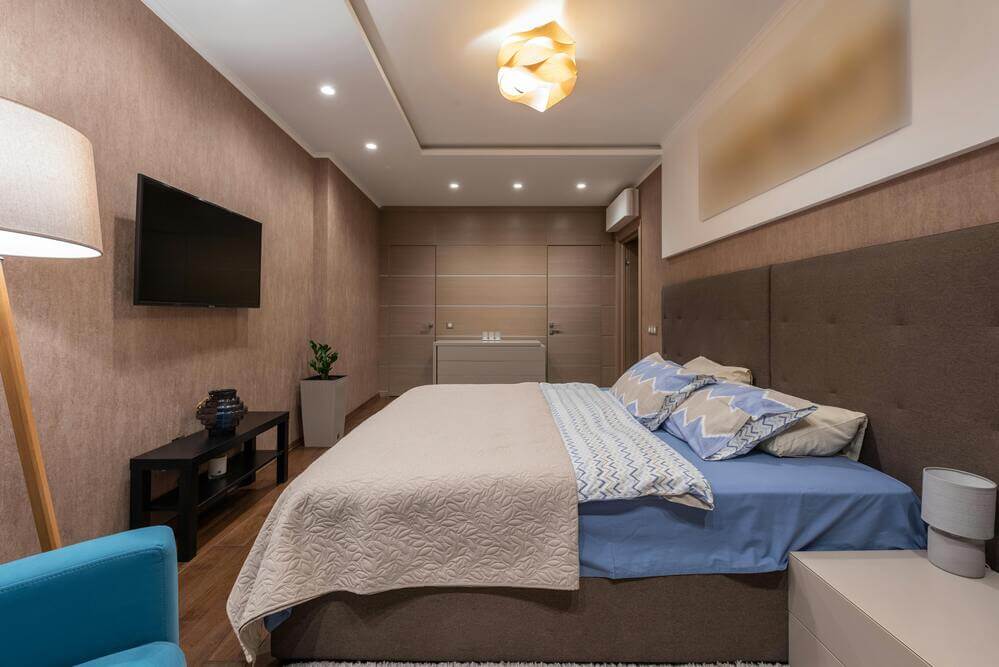
However, if your dark room is a bedroom or living room, you may want to lean towards the warmer side of the natural light spectrum. Because you tend to use these rooms to wind down and relax, you don’t want to add daylight bulbs that mimic the colour temperature of broad daylight, and your brain won’t be able to de-stress at night. So, use artificial light that mimics a softer, warmer natural light like 4000K.

Lean towards living room and bedside natural light table lamps to brighten your bedroom and lounge. You can also use floor lamps to alter a room’s feel.
The best way to recreate daylight in your windowless room is to add different types of light that provide both stark daylight colours and warm sunrise and sunset colour temperatures to mimic the different times of the day and maintain a healthy circadian rhythm. For example, you may choose ceiling lights to provide natural daylight and a natural light lamp to mimic warmer natural light for the morning and evening.
How to brighten a dark room with no windows
Colour temperature is essential when choosing lights for a windowless room, but brightness is also crucial.
Traditionally, watts did indicate bulb brightness, but with the evolution of LED bulbs, lumens are a better indication of brightness.
You will want brighter bulbs in rooms where you perform tasks, like the kitchen and bathroom. But there is no need to install bright daylight bulbs in your living room and bedroom. Choose bulbs with a lower lumen count for these rooms.
You must also consider your room size to determine how many light sources and lumens you need to achieve tasks and multiply it by the room’s square footage and height. Whether you have natural light lamps or overhead lights, place them strategically to provide an even amount of light throughout the room.
Additional tips on how to brighten a dark room
- Besides the right lighting, there are other things you can do to brighten a dark room instead of natural light. For example, interior designers use mirrors and reflective surfaces in dark rooms to reflect light back into the room.
- You can also use light colours in your decor and light paint colours to make a windowless room seem brighter.
- Lastly, try to keep the room clear of clutter to help open the room up.
Natural light bulbs at Castlegate Lights
If you have a windowless room devoid of daylight, fear not! Now you know how to brighten a dark room with natural light bulbs. Always think about Kelvins to get the right colour temperature and lumens to get the ideal brightness depending on the room’s purpose and size.
Discover daylight and natural light bulbs at Castlegate Lights and transform your dull, windowless room into a haven.
Related blogs