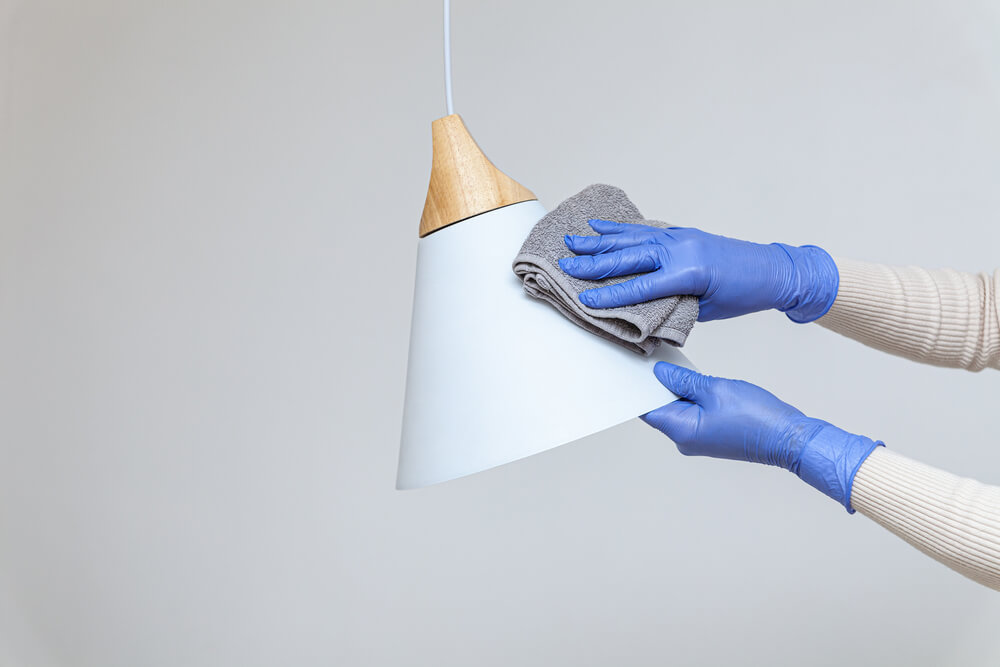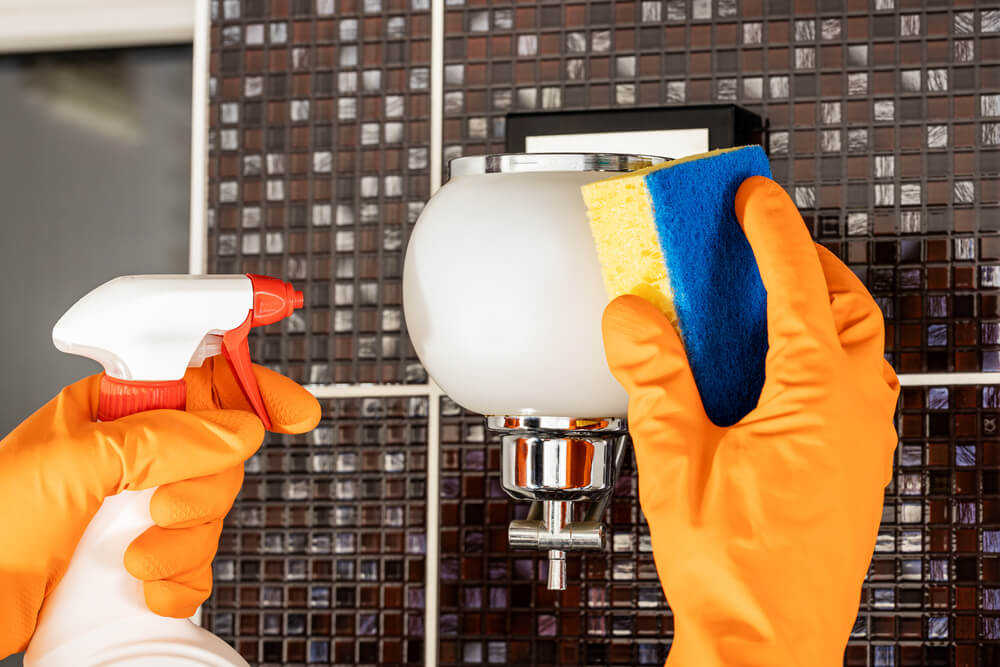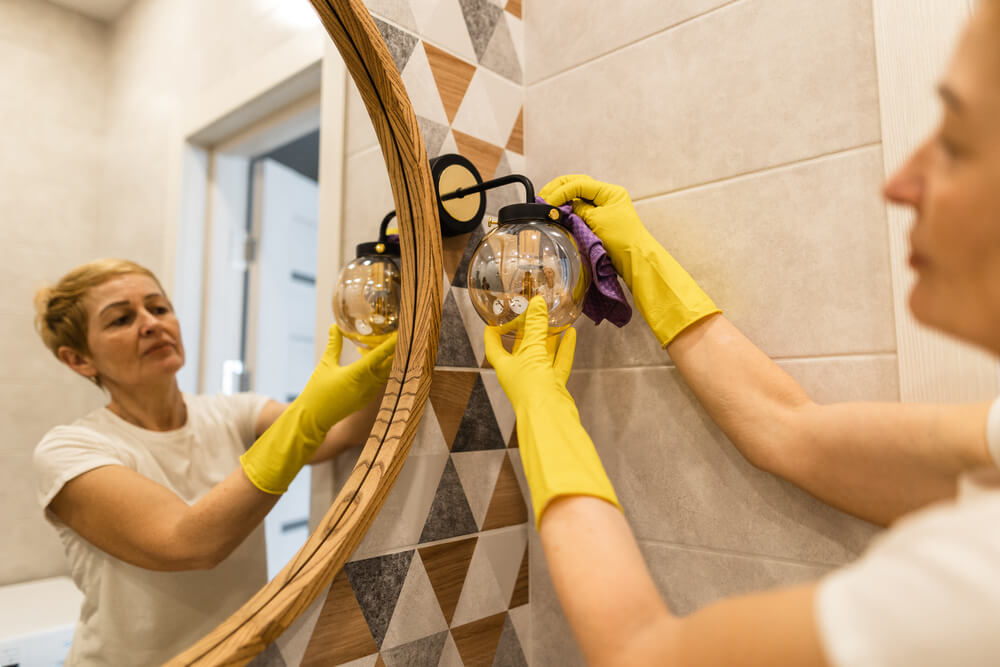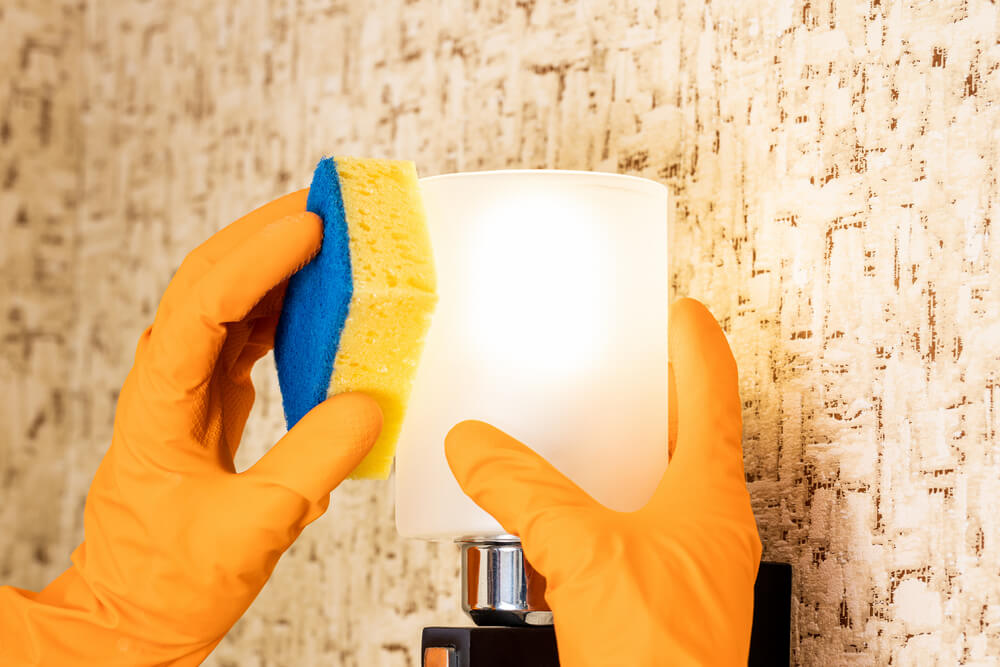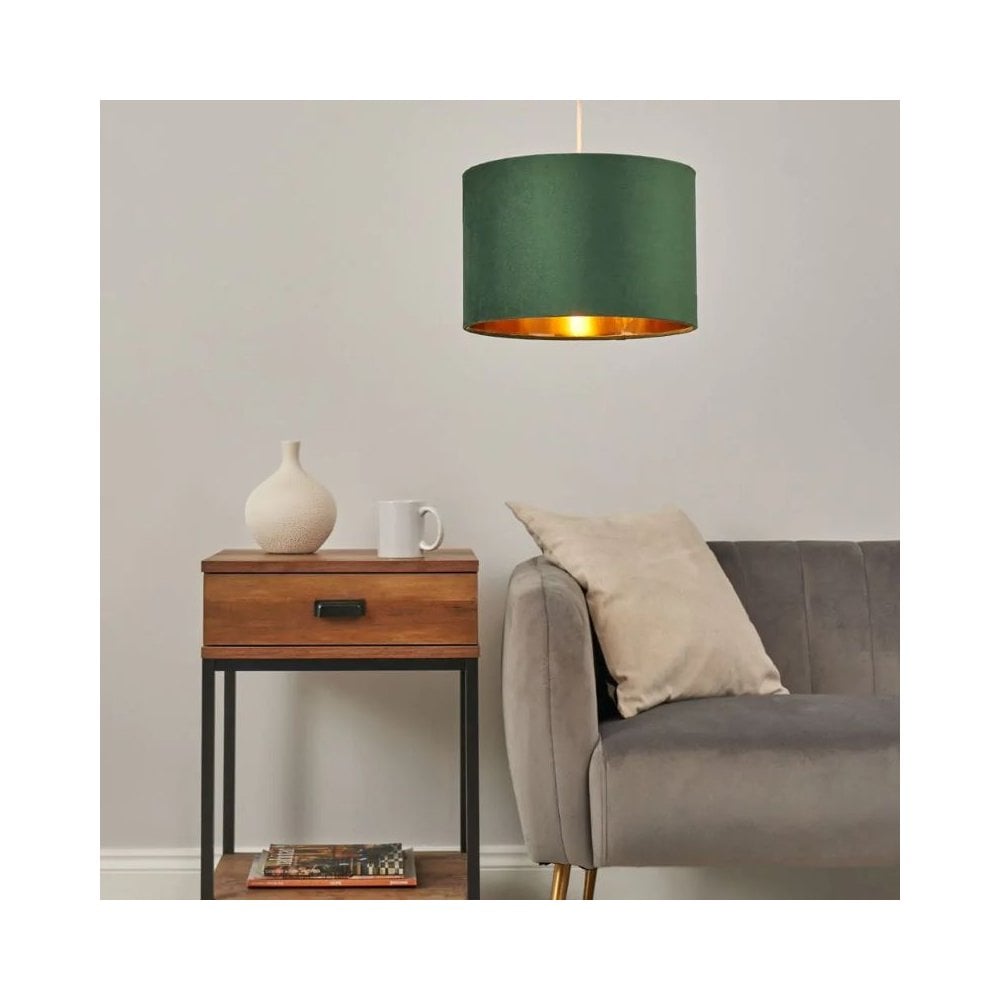
Blog

  • How to style green lighting

    How to style green lighting

    How to style green lighting

    Colour trends come and go, but with its association with nature, freshness, calmness, peace and harmony, you can’t go wrong with bringing green hues into your home. 

    With so many shades to choose from, you should be able to find a hue that matches your interior aesthetic; embrace shades like evergreen, sage, seafoam, green grass, forest green, kiwi, lime, spring green, celadon, jade, neon and more! 

    Whether you want to create a dramatic and moody study with rich emerald greens, a fresh and airy bedroom, or a living room with spring as your inspiration, we can help you find the lighting to match. 

    Learn where green lighting works best in the home, how to use green lighting to complement your interior and what colours go best with green lights in this guide. 

    Table of contents:

    Green colour theory

    As one of the earth’s most common colours, green has always been associated with new beginnings, the promise of spring, life and growth, vitality and the defeat of winter. But throughout the centuries, it has had other meanings and associations which may interest your interior design inclinations.
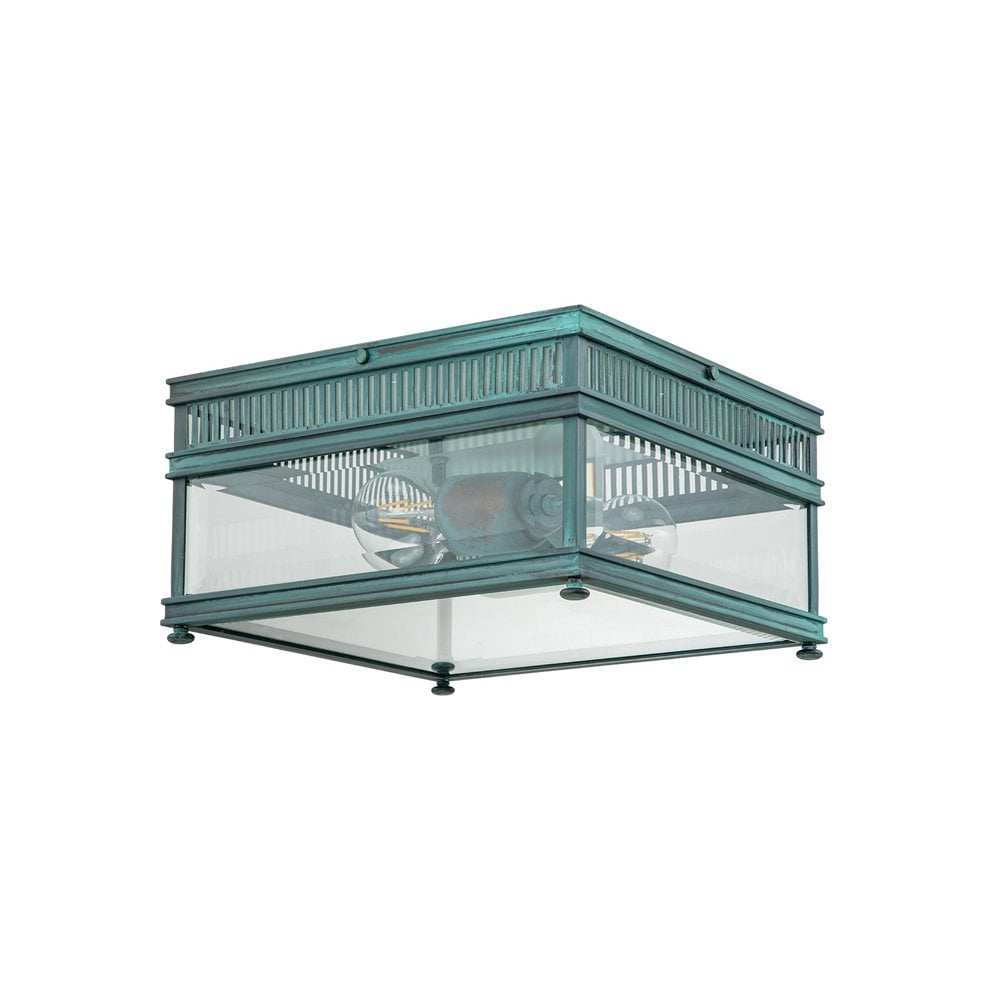
    Elstead Lighting Holborn 2 Light Outdoor Flush Ceiling Fitting In Verdigris Finish

    Ancient civilisations fostered green pigments by soaking copper in wine, calling it Verdigris. But green, associated with wealth and richness, originated in ancient China. Celadon is a specific green used in ancient chinese pottery and porcelain prised by the imperial court.

    Green, of course, is also often associated with money. Rich emeralds and greens have been used in banks, studies and drawing rooms to exude power, wealth and masculinity. 

    A particular shade of green that also became popular was the famous Beryl green crockery set by Wood Ware during WWII. Moving away from the green loved by the aristocrats, the Beryl green crockery was simple, unfussy and affordable, subsequently used in tea rooms, cafes, country houses, village halls and on cricket grounds up and down the country, earning it a place in the coveted vintage crockery category, with its retro look. 

    But green has also been associated with calming qualities. It’s even had a calming room named after it. “Green rooms” allow actors to centre themselves before performing in the theatre and TV studios. 

    Here are a few ways to use green lighting to create some of these associations in your home.

    Create a calming atmosphere
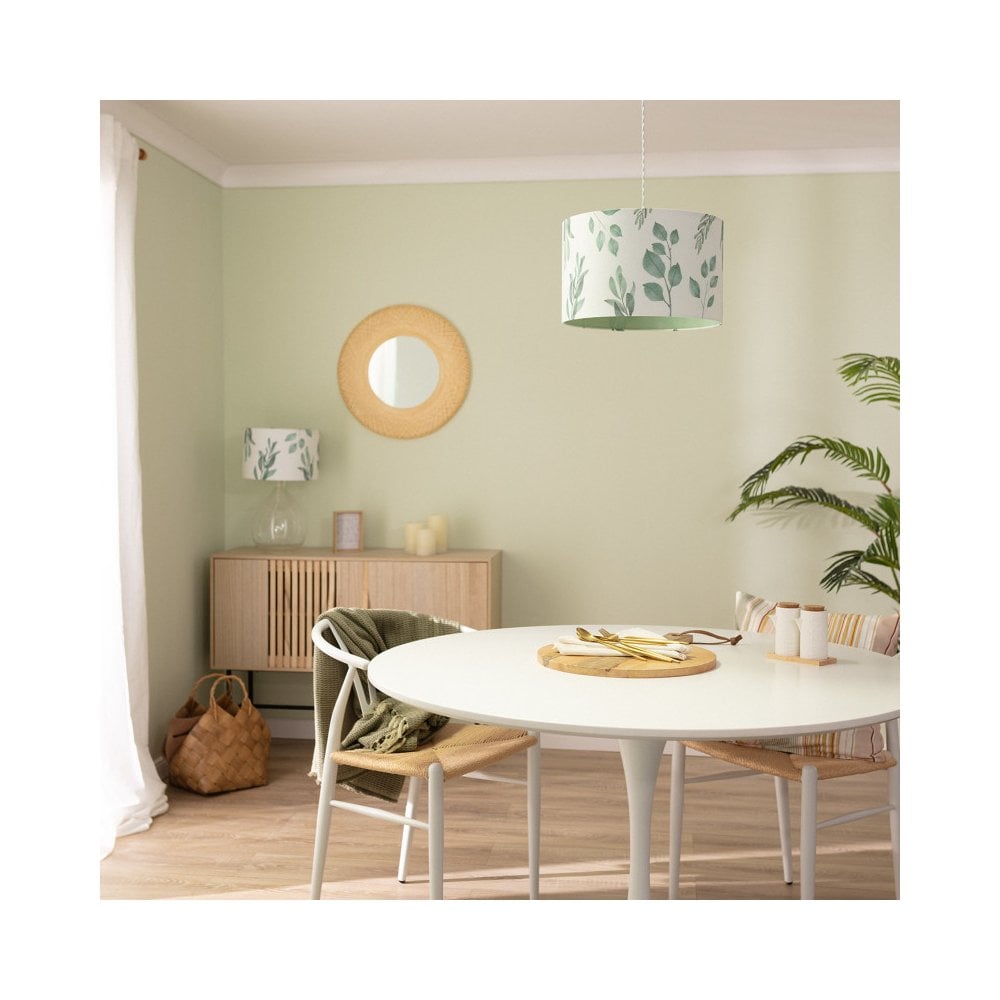
    Edit Lighting Aurora Single Light Ceiling Pendant In White & Green Finish

    One of the main ways you might want to use green lighting in your interior design is to create a calming atmosphere. Whether you want to draw in its calming properties used in “Green Rooms” or draw on the peacefulness of a calming spring day, green lighting is a great way to construct these evocations.

    Simply use soft and light green hues mimicking sage, grass and pastels.

    Make a statement
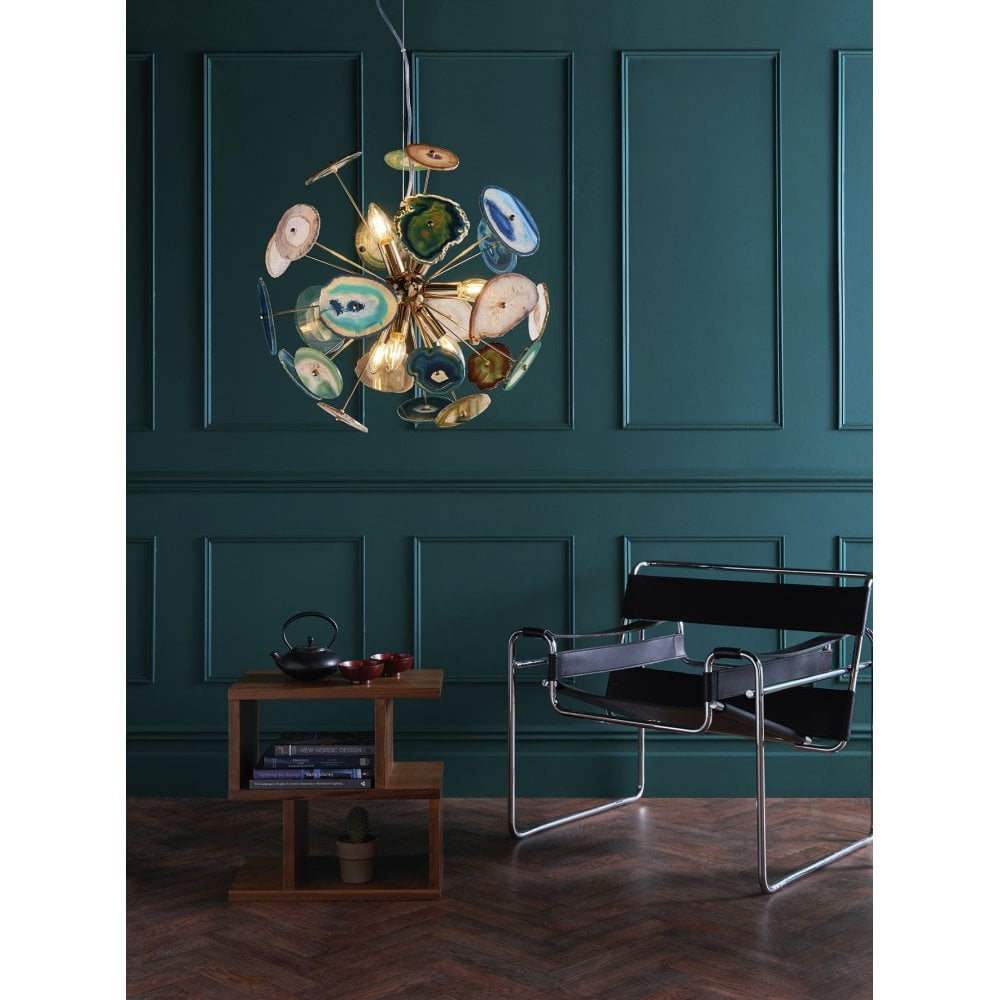
    Dar Lighting Achates 9 Light Ceiling Pendant in Polished French Gold Finish with Agate Detailing

    Richer, bolder greens can also make a statement. Use evergreen or emerald green to convey a sense of mystery and sophistication. 

    Now, find out where green features best in the home. 

    Green in bedrooms
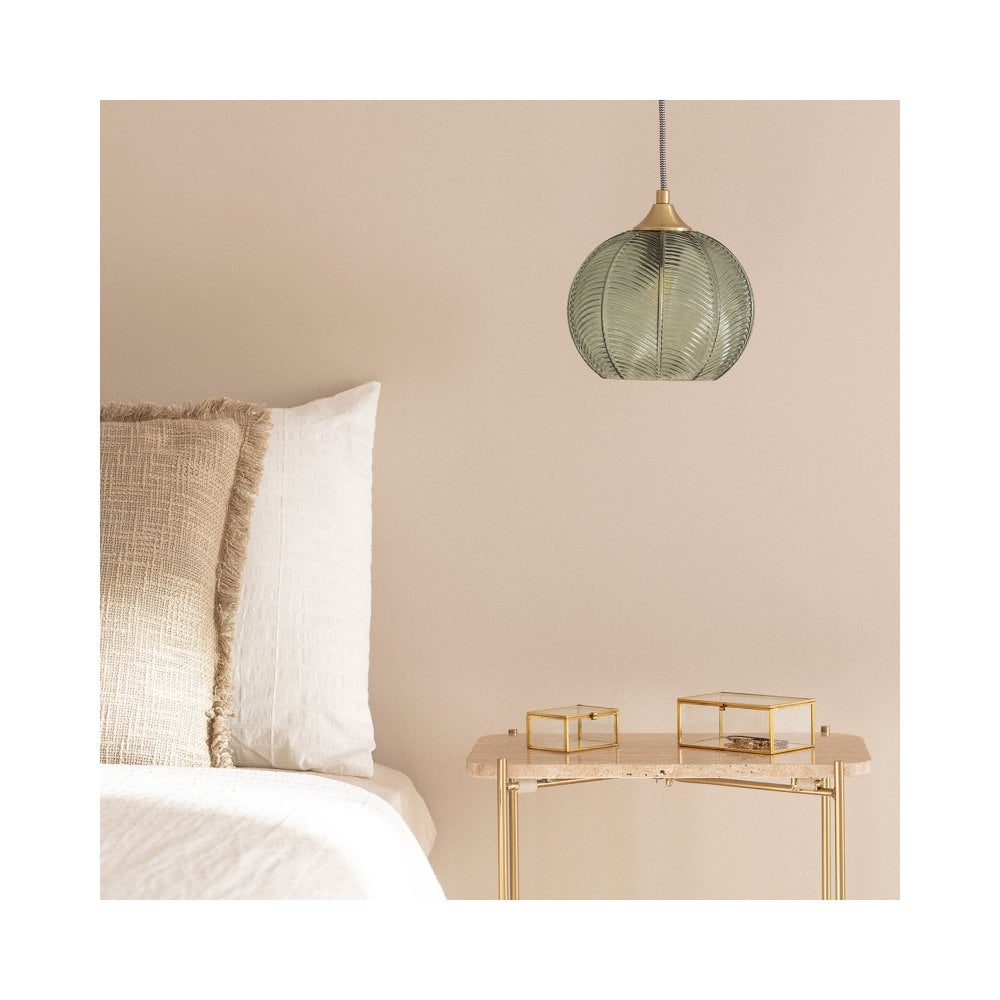
    Edit Lighting Klimt Single Light Glass Ceiling Pendant In Green Finish

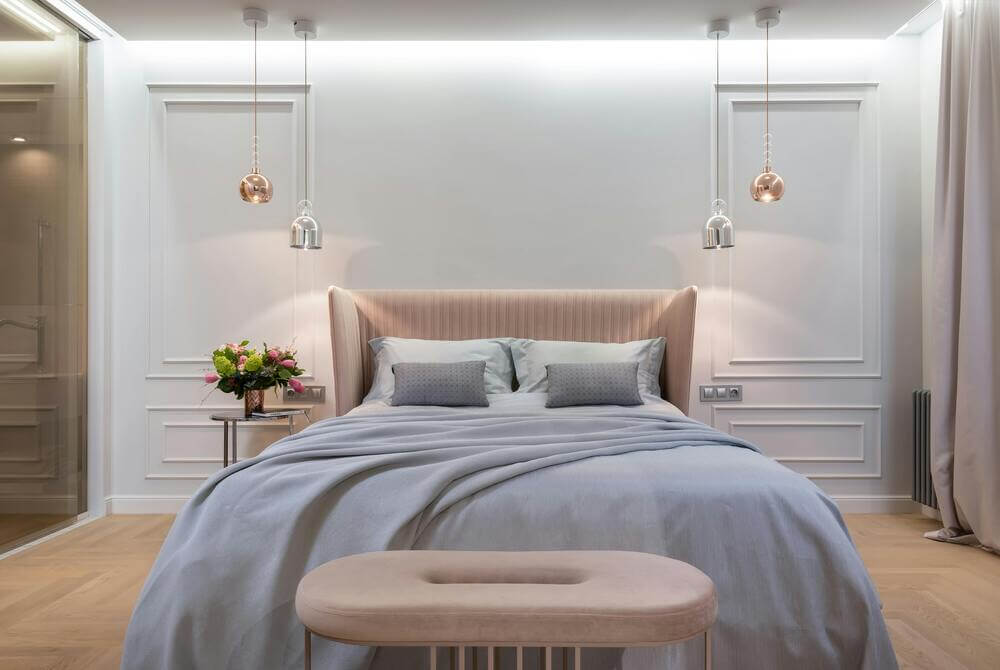
    Many interior designers favour using the colour green in bedrooms for its serenity and calming nature. Maybe pair your green lighting with a soft green shade on the walls, soft furnishings, bedding or headboard. Add multiple green shades and neutrals to create a green scape interlaced with soft textures and floral patterns to add depth and layering.

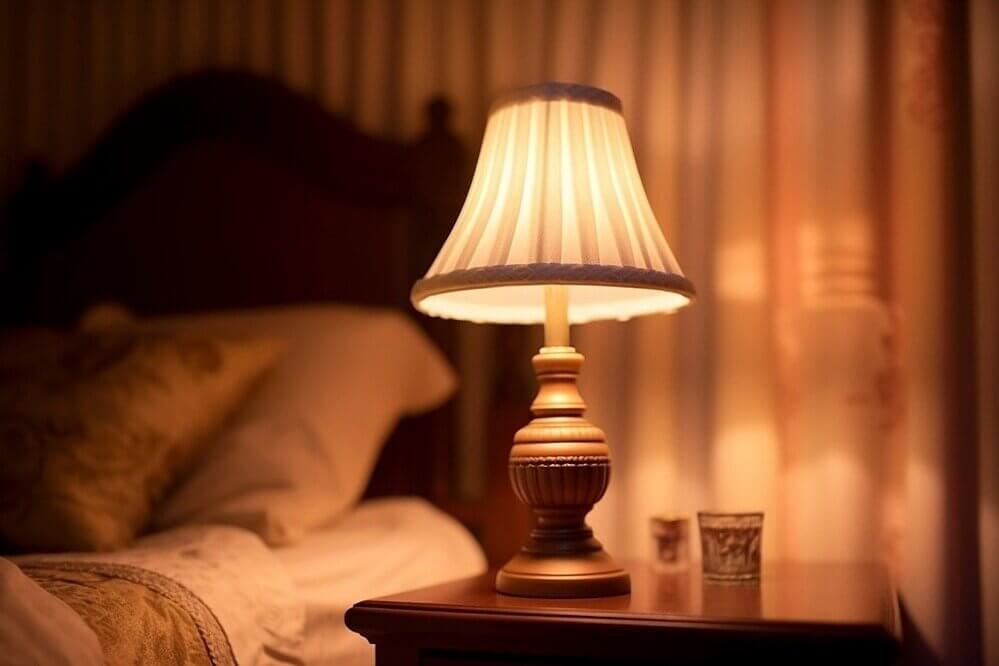
    Finish with a green lamp with a soft linen shade to complete your calm bedroom.

    Green in bathrooms
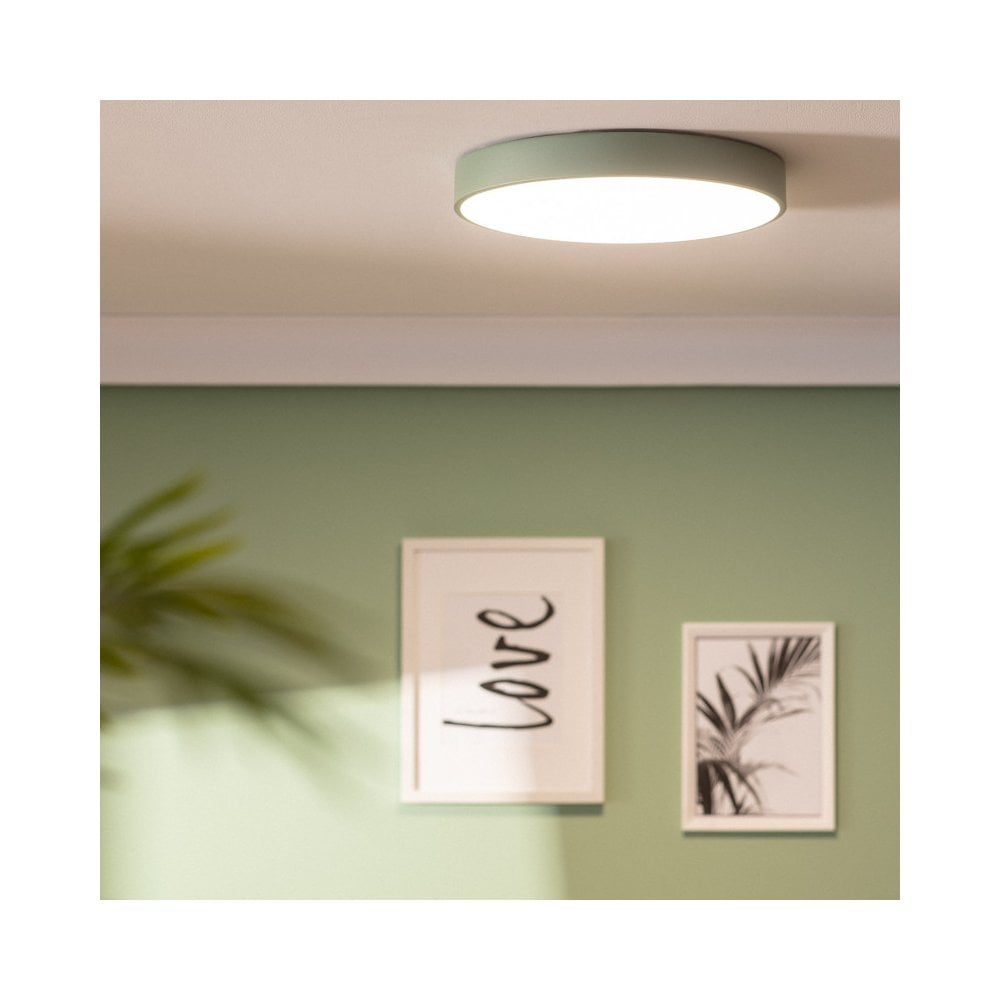
    Edit Lighting 24W LED Flush Ceiling Fitting In Green Finish

    There are two ways you can incorporate green lighting into your bathroom. Green is associated with cleanliness and calm, so it’s perfectly placed in bathrooms. Opt for light, earthy greens for the perfect spring-clean look.

    Throughout history, green has also been the colour choice for luxurious bathrooms. The dark green paired with white marble evokes a sense of grandeur and wealth. Favoured during the Jazz Age and Art Deco era, green was paired with black and glass for a sumptuous aesthetic. Opt for a retro light fitting for a moody bathroom to recreate this look.

    Green in studies
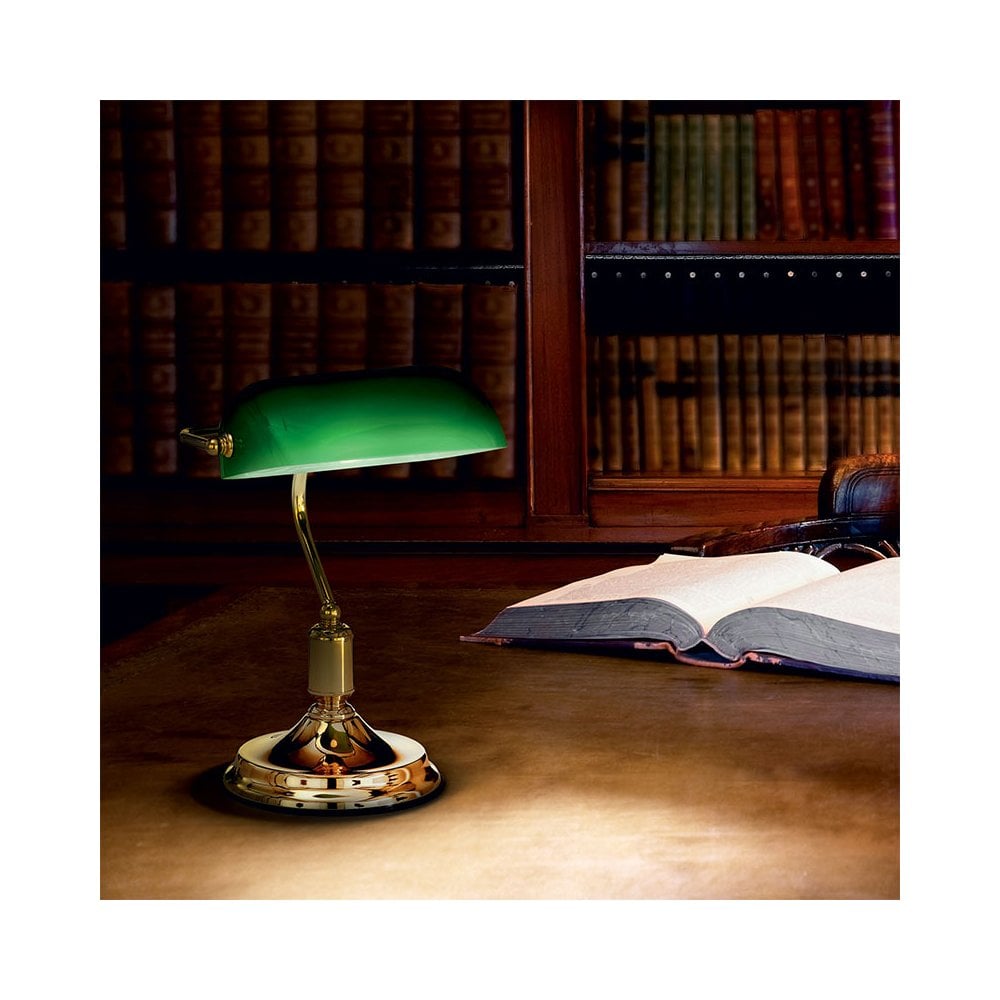
    Ideal Lux
Lawyer Single Light Table Lamp in Polished Brass Finish With Green Glass Shade

    As mentioned earlier, dark greens can help create a sophisticated and refined aesthetic, perfect if you want to create a masculine feel in your study. Pair a green banker’s lamp with dark wood furniture to convey power and wealth. 

    Green lampshades
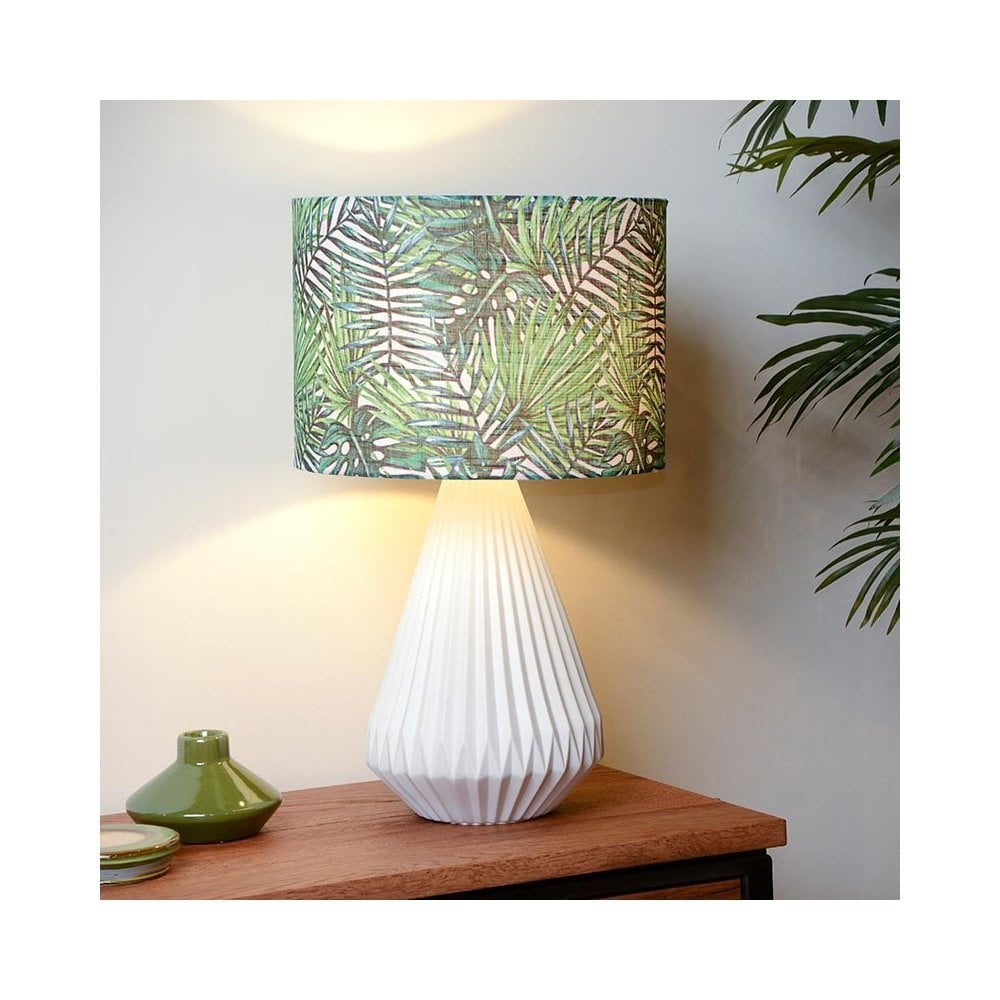
    Lucide
Serenoa Single Light Porcelain Large Table Lamp in Textured White Finish Complete with Botanical Green Shade

    Swapping out an old lampshade for a green one is a great way to bring colour to your interior. From fabric to glass, there are 100s of styles, patterns, sizes and materials of green lampshades to get just the right green for your interior vision.

    Green table lamps
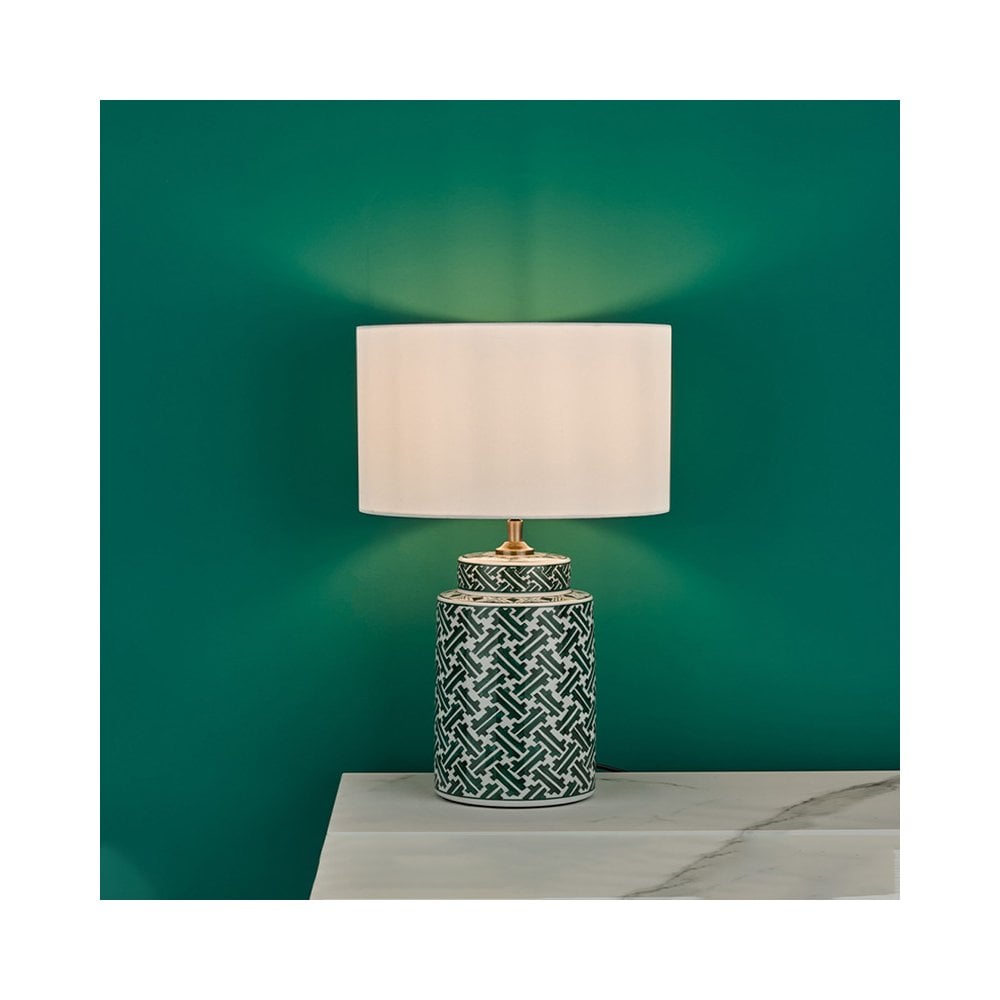
    Dar Lighting Reese Single Light Ceramic Table Lamp Base Only In Green Finish

    Opt for a green ceramic-based table lamp for your interior design. A practical and stylish way to add classic-styled pottery to your home that also illuminates the room. Opt for a celadon green ceramic vase lamp. It will work in most settings and provide that timeless look steeped in history.
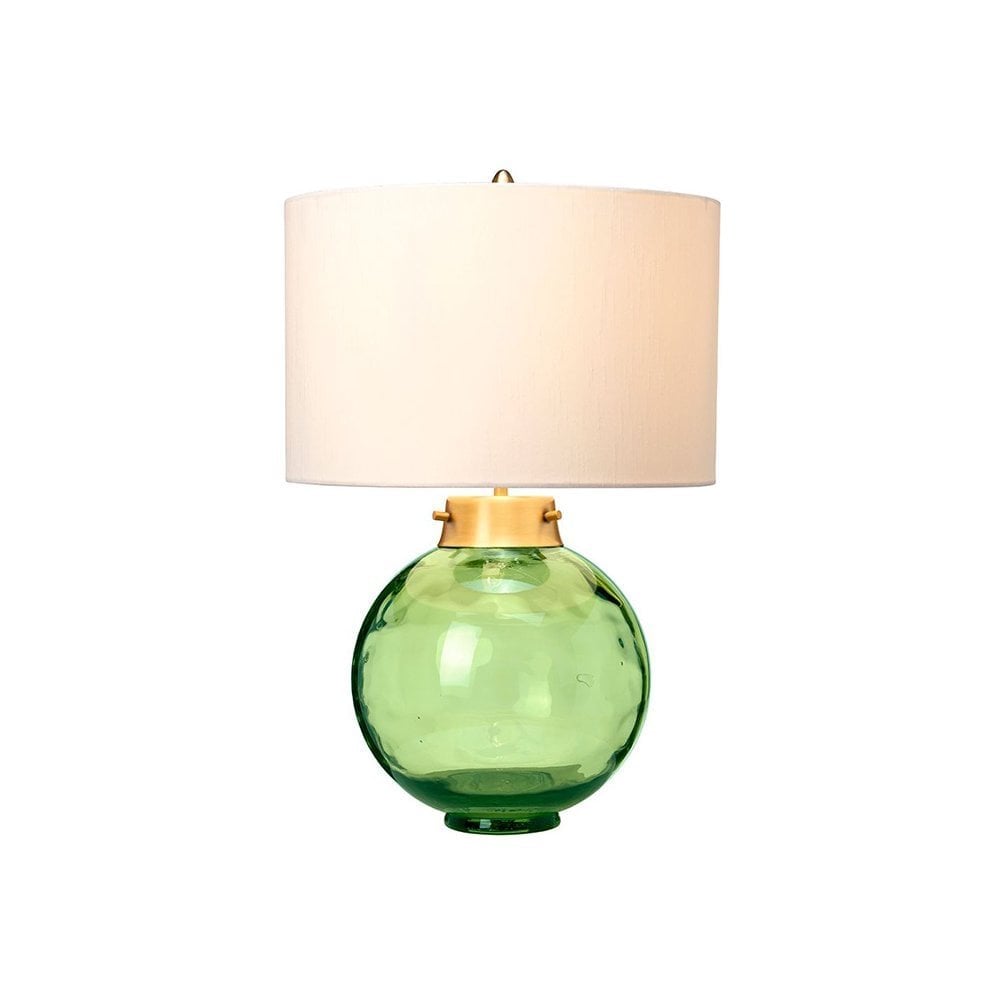
    Elstead Lighting Kara Single Light Glass Table Lamp in Green Finish Complete with White Faux Silk Shade

    Alternatively, opt for a striking green sculpture lamp base. A green glass sculpture will catch and refract the light for a dreamy and eye-catching effect. 

    Green pendant lights
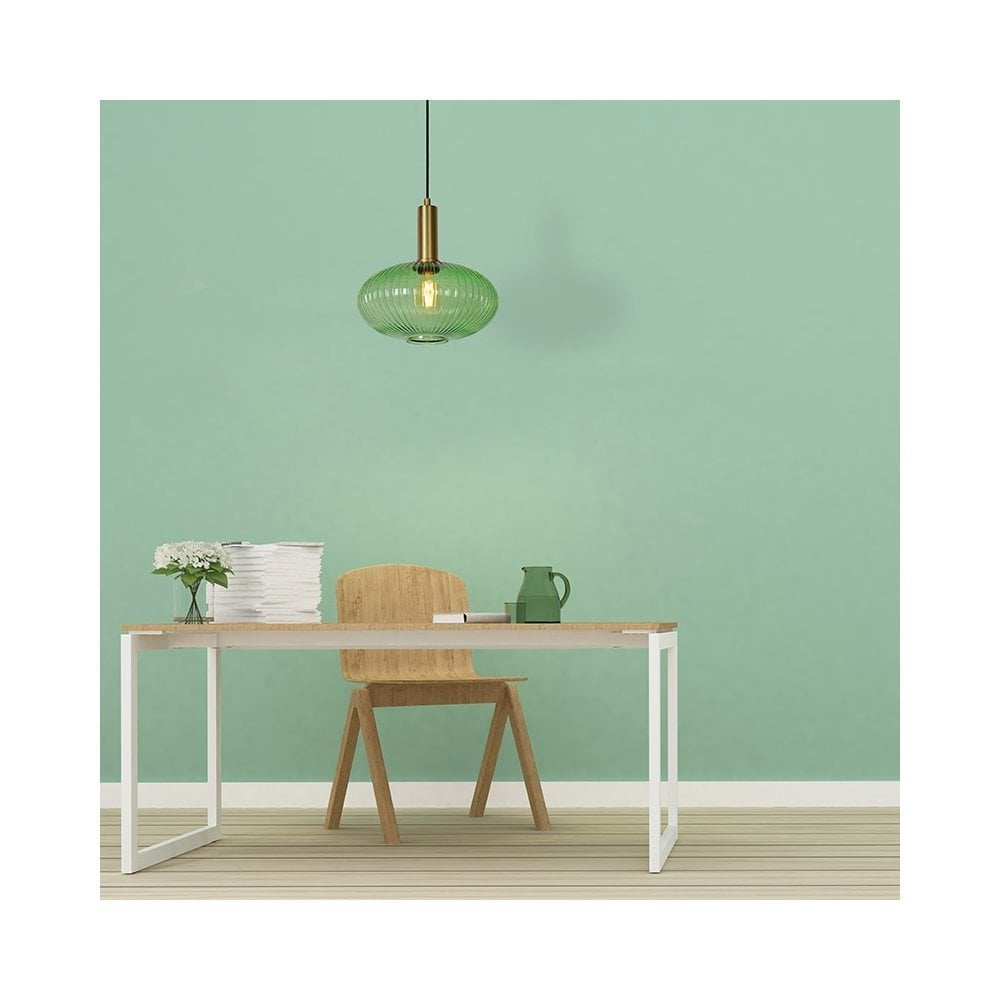
    Lucide
45941 Maloto 30 Single Light Ceiling Pendant With Green Glass Shade

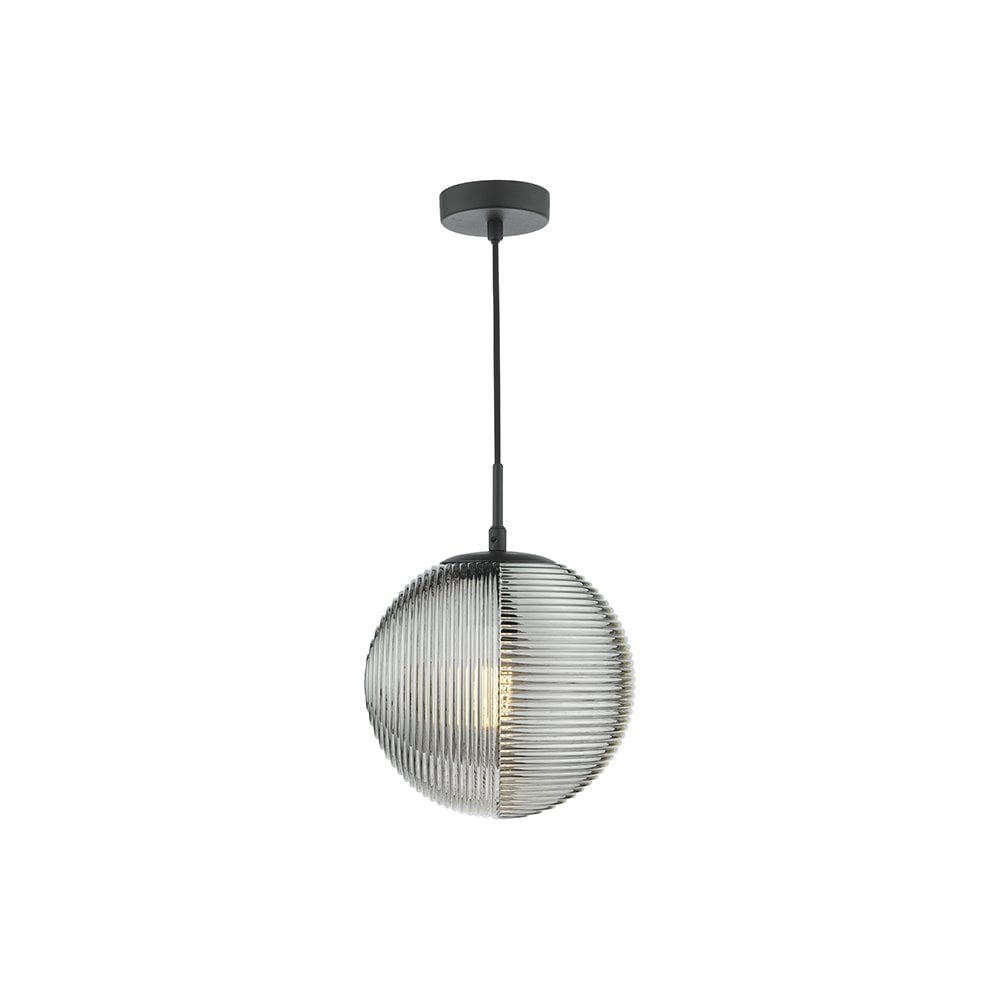
    So many variations of green pendant lights can complement your home, add a pop of colour or help create a serene green atmosphere. 

    What colour goes with green?

    Of course, green on its own can be a bit overpowering. Here are a few other colours you can pair with it throughout your interior design to complement green lighting. 

    White and grey
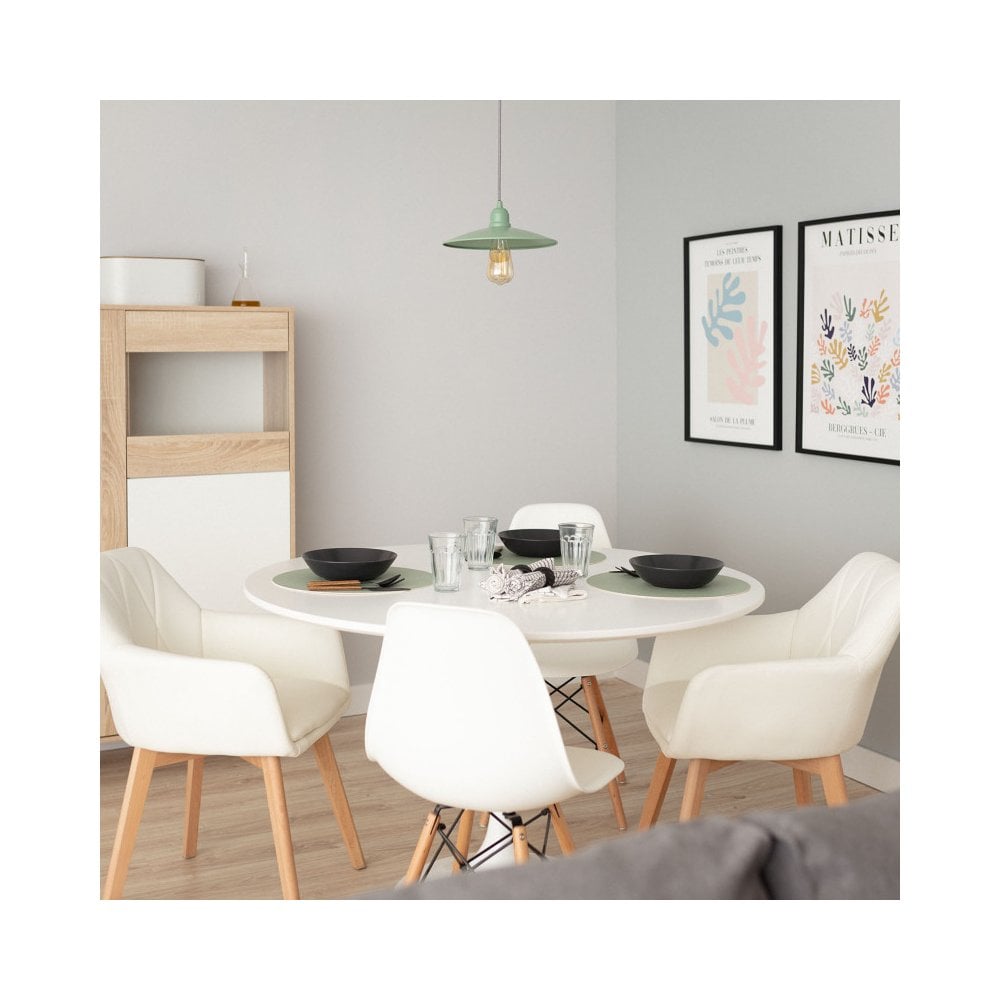
    Edit Lighting Kato Single Light Ceiling Pendant In Green Finish

    Pairing green with white will always create a fresh, clean, and crisp look. White provides a classic background for green to be the main focus. However, you can move away from this traditional combination and pair green with grey; it has the same effect but offers a sophisticated and modern touch.

    Neutrals and natural browns
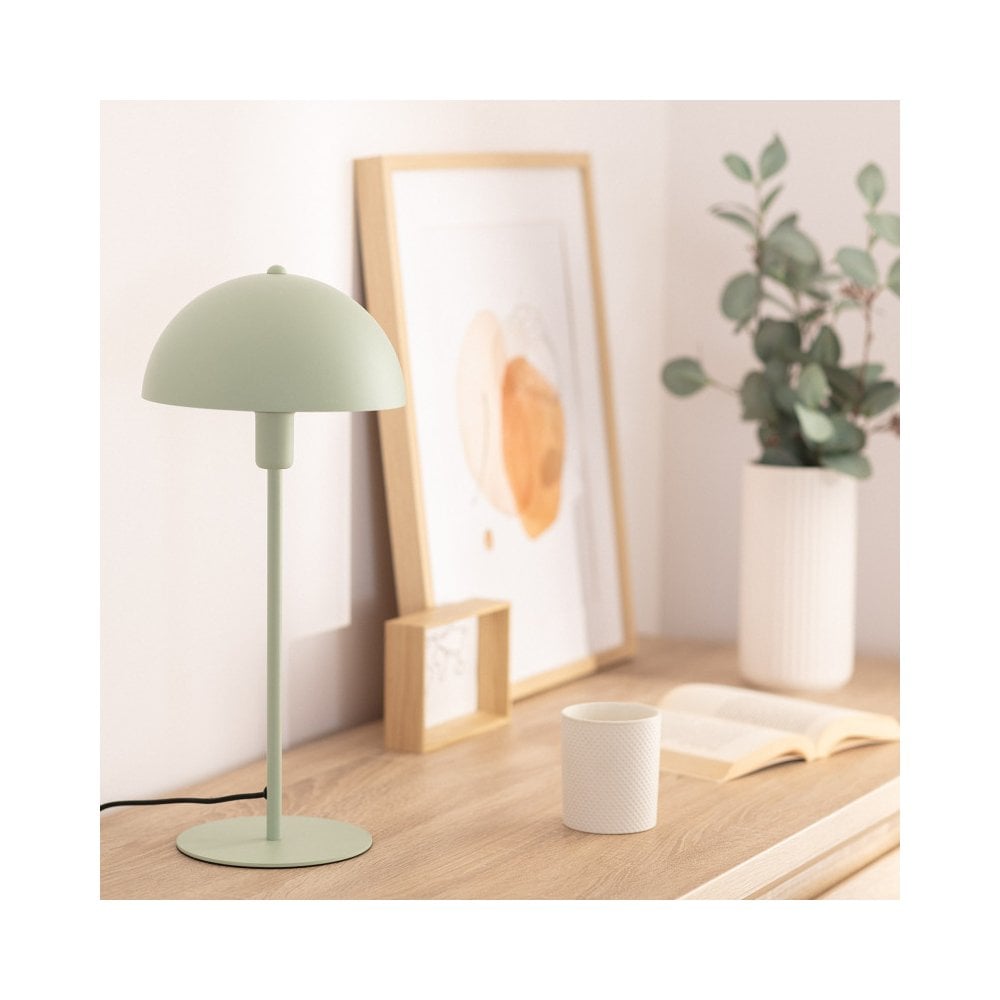
    Edit Lighitng Madow Single Light Table Lamp in Mint Green Finish

    Because of its earthy connotations, green goes well with neutrals like taupes, beiges and browns. Add natural materials like linens, cotton, and wood to complement your green lighting.

    Black
    Lucide
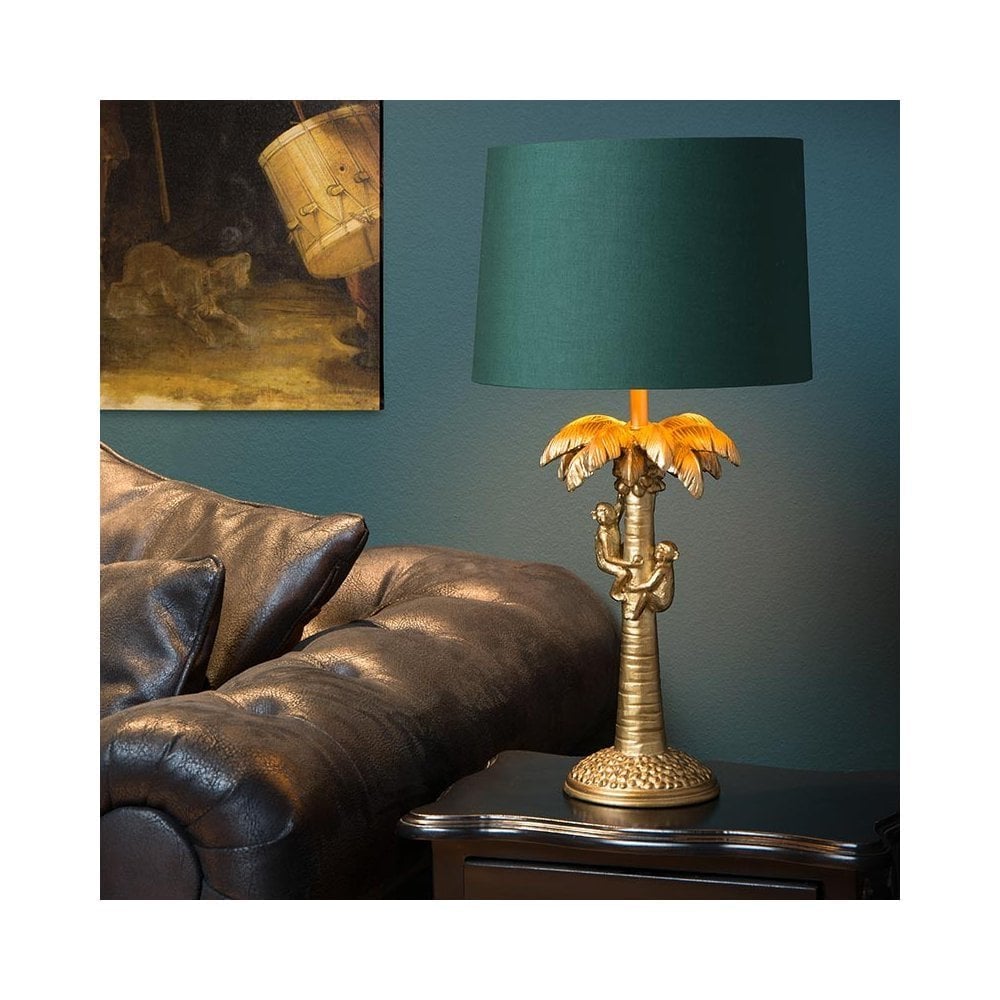
Extravaganza Coconut Single Light Table Lamp in Gold Finish Complete with Green Shade

    On the other end of the spectrum, pair rich and sultry greens with black for an elegant and dramatic feel.

    Blue
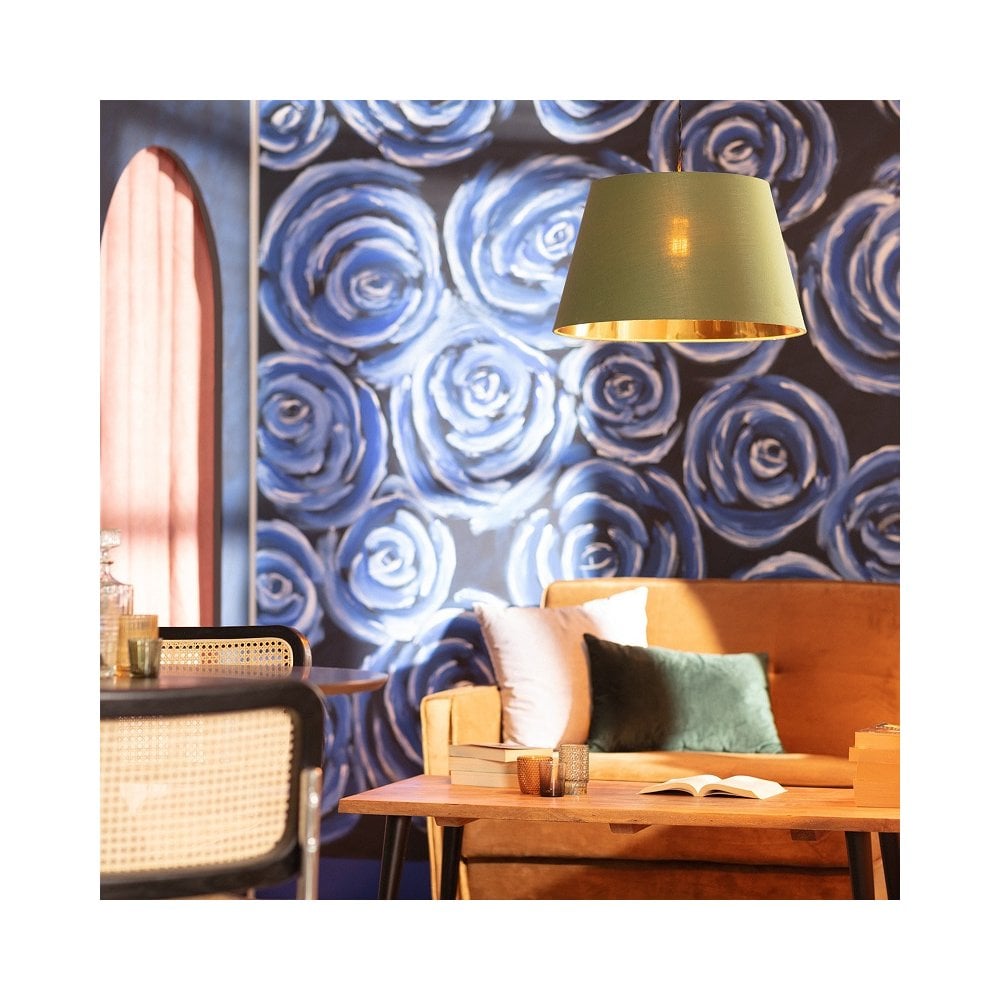
    Edit Baharia Single Light Ceiling Pendant Fitting in Dark Sage Green Fabric with Inner Gold Lining

    The phrase “blue and green should never be seen” should be thrown out the window! Particularly, rich royal blues and turquoise create a refreshing combination. Alternatively, sky blue or navy provides a calming, harmonious aesthetic. 

    Pastels
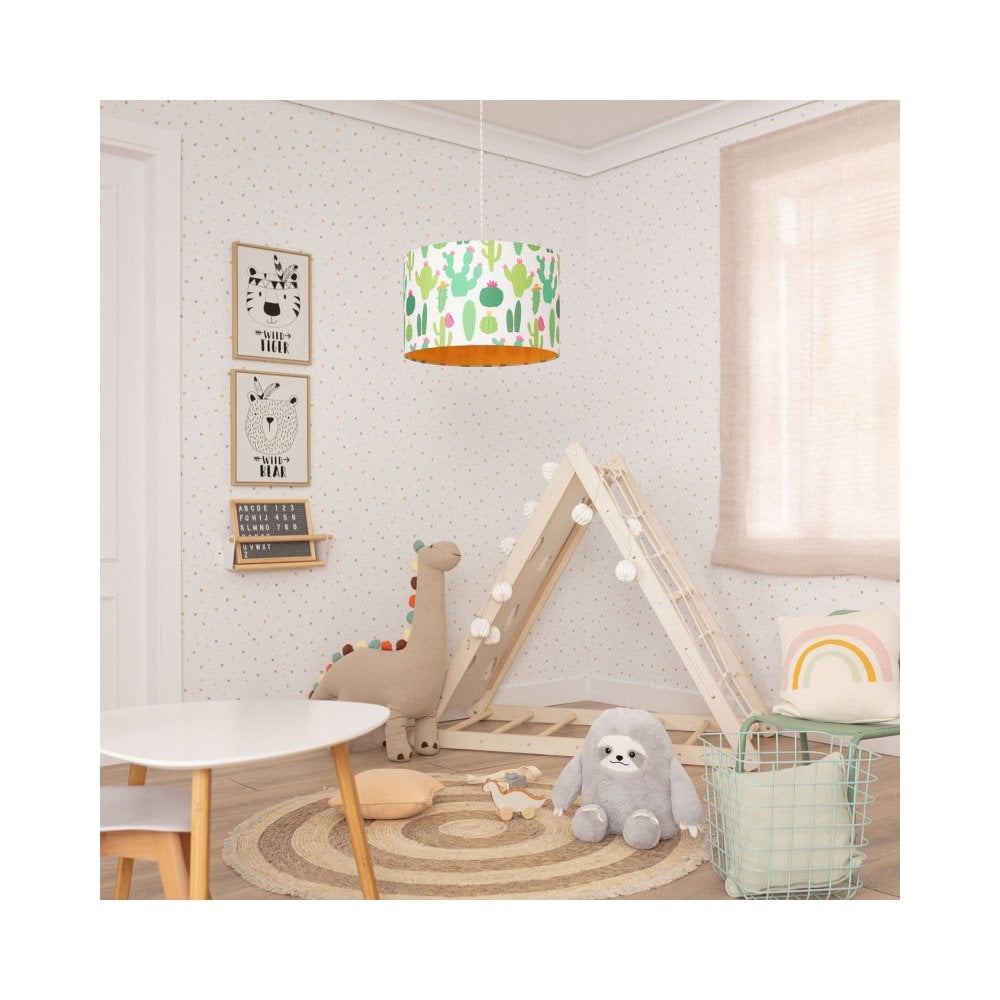
    Edit Lighting Kuiva Single Light Ceiling Pendant Shade In Green Finish

    Try pairing a sage green with your favourite pastel colours to evoke spring sensations. Pastel pink will provide a playful, fresh contrast. Lavender will deliver a subtle and elegant pairing, and yellow and green is a bright, cheerful and vibrant combination. 

    Coral and Peach

    Why not pair your green lighting with a contrasting coral or peach colour to create a vibrant and warm feel?

    Brass
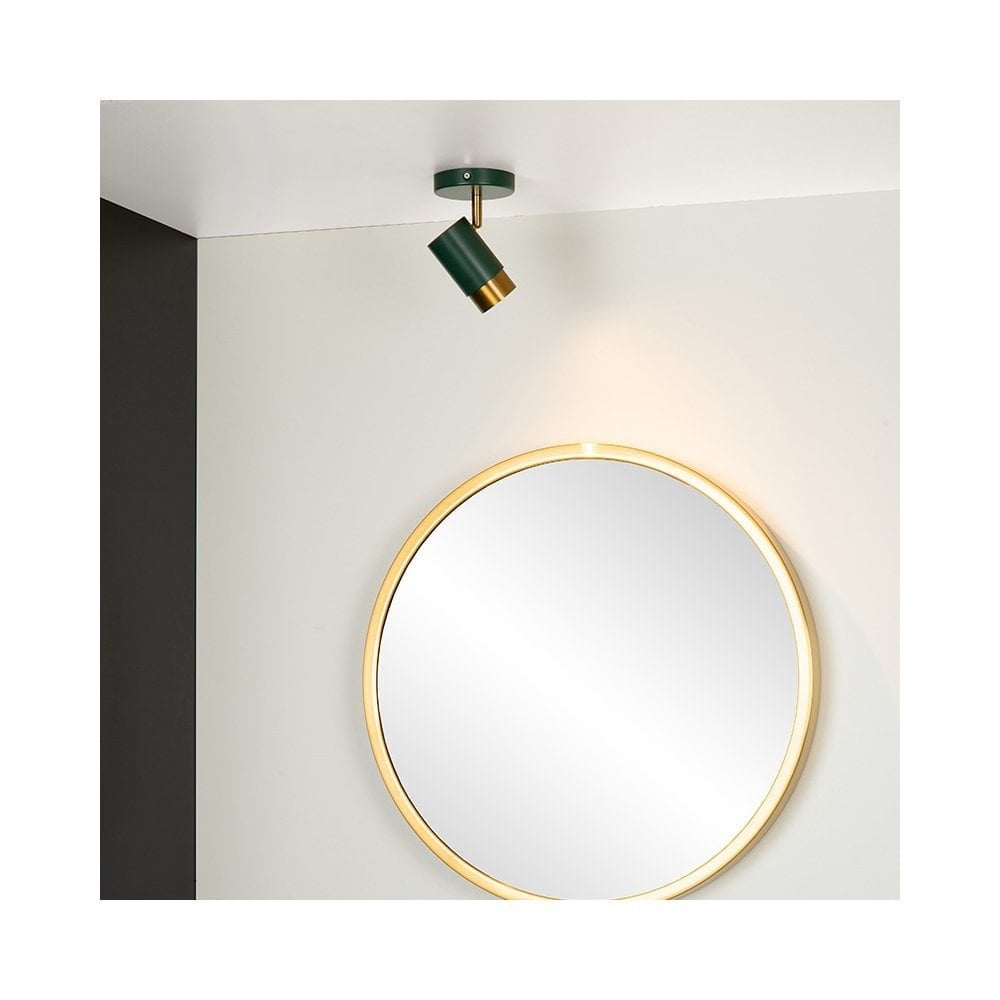
    Lucide
Floris Single Wall Spotlight In Green And Brass Finish

    Green also goes well with gold and brass metallic hues for a shimmering opulence. 

    Green lighting at Castlegate Lights

    We hope you’ve taken some inspiration from this guide and a sense of zeal towards your green interior design mood board.

    Whether you prefer the moody presence of Art Deco emerald or a wafty spring green pallet for your cottage-core interior design, our green lighting collection has something for every style.

    Shop online now and transform your home at Castlegate Lights.

    Related blogs:
  • How to style orange lighting

    How to style orange lighting

    How to style orange lighting

    Orange is one of those colours that people either love or hate, which is understandable because it can easily go very wrong in interior design. But the truth is, orange is a fantastic colour to incorporate into your decorating and lighting; you just have to get the shade right. 

    Orange can help invigorate or energise a room with a zesty, citrus flavour. Or softer, more muted tones like pastel orange or earthy tones like terracotta can bring a warm, sunny, calming vibe. 

    If you’re considering incorporating orange lighting in yoru home, this guide is for you. Learn about orange colour theory, how to use orange lighting in your interior, what rooms they work best in, what colours pair well with it and the best orange lighting options for your home.

    Table of contents:

    Orange colour theory

    Orange can be a bold option, which can be scary, but it doesn’t have to be. 

    Historically, orange was associated with richness, warmth and opulence in ancient cultures and the Renaissance painting era. The early 20th century/ Art Deco era also favoured orange for its boldness, confidence, vibrancy, and youthfulness that rebelled against the past and looked to the future.

    You can also see these associations in retro 70s culture mixed with paisley prints and flower power patterns.

    Today, orange creates a sense of warmth and brightness as feature walls or accent pieces are set against neutral tones for balance or contrasted against bold complementary colours for a contemporary, eclectic feel. 

    Here’s how to use orange lighting in your home.

    Make a statement

    Edit Lighting Areso Single Light Wall Fitting In Orange Finish

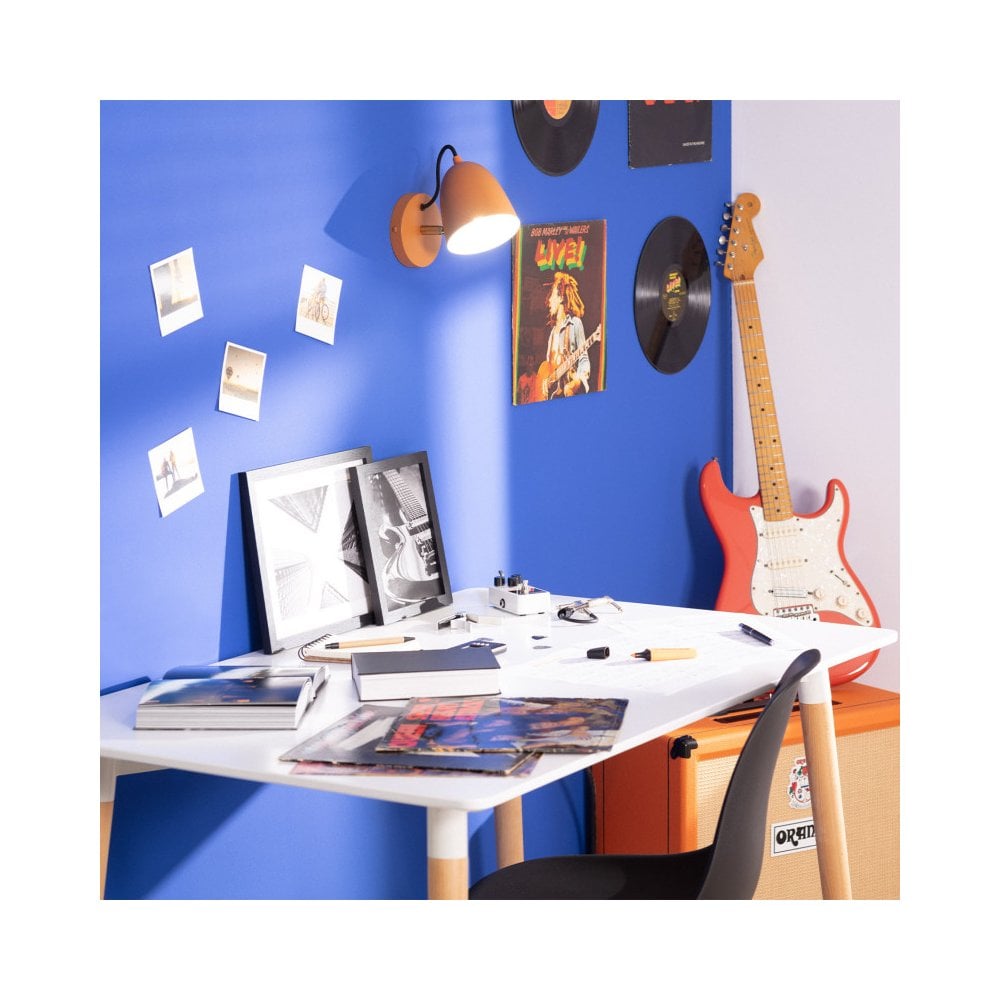
    Orange is bright, bold, and a great way to make a loud design statment. Choose a bold orange pendant light for a stunning statement piece in the centre of your ceiling. The zesty colour will draw the eye and get your guests talking.

    Add a pop of colour

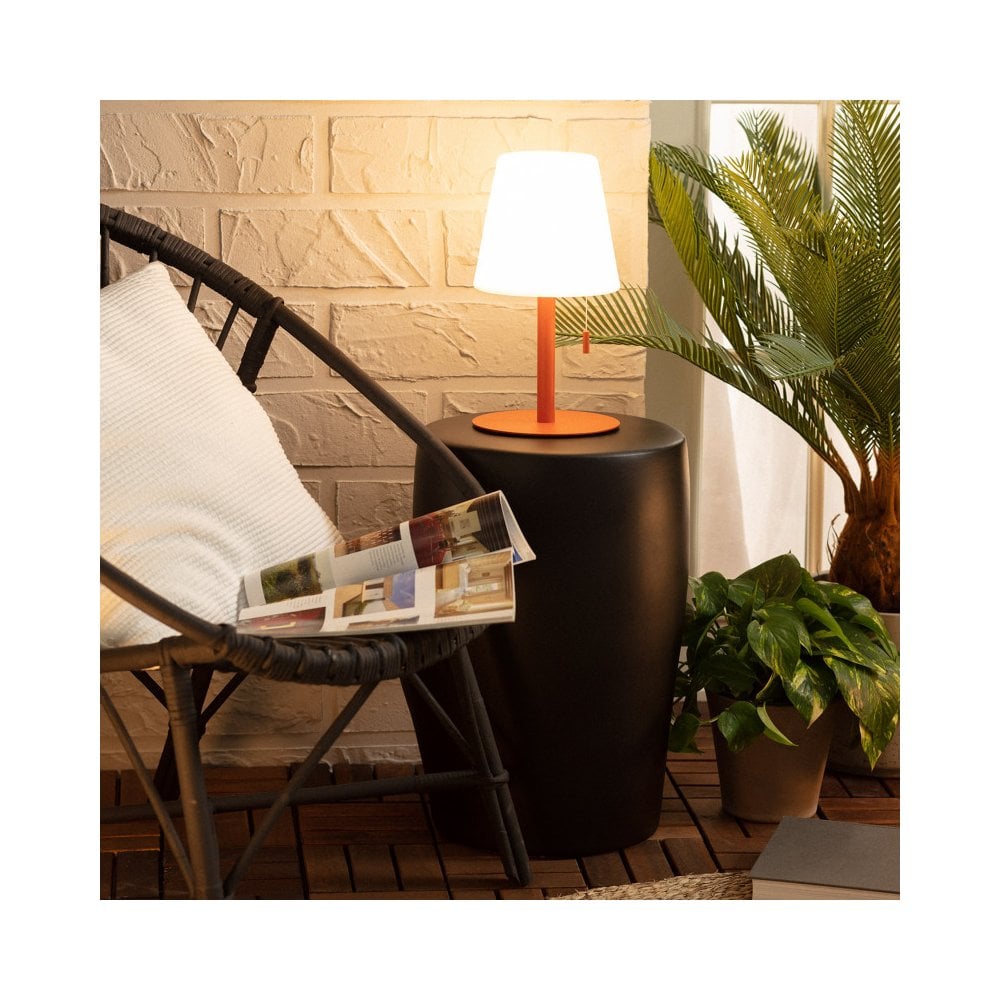
    Edit Lighting Epinay Aluminium Portable Outdoor LED Table Lamp With Rechargeable Battery In Terracotta Finish

    If you don’t like the idea of an orange lighting piece taking over a room, a small orange lamp is a great way to incorporate the invigorating colour to subtly add a pop of colour to your home. 

    Soft and subtle

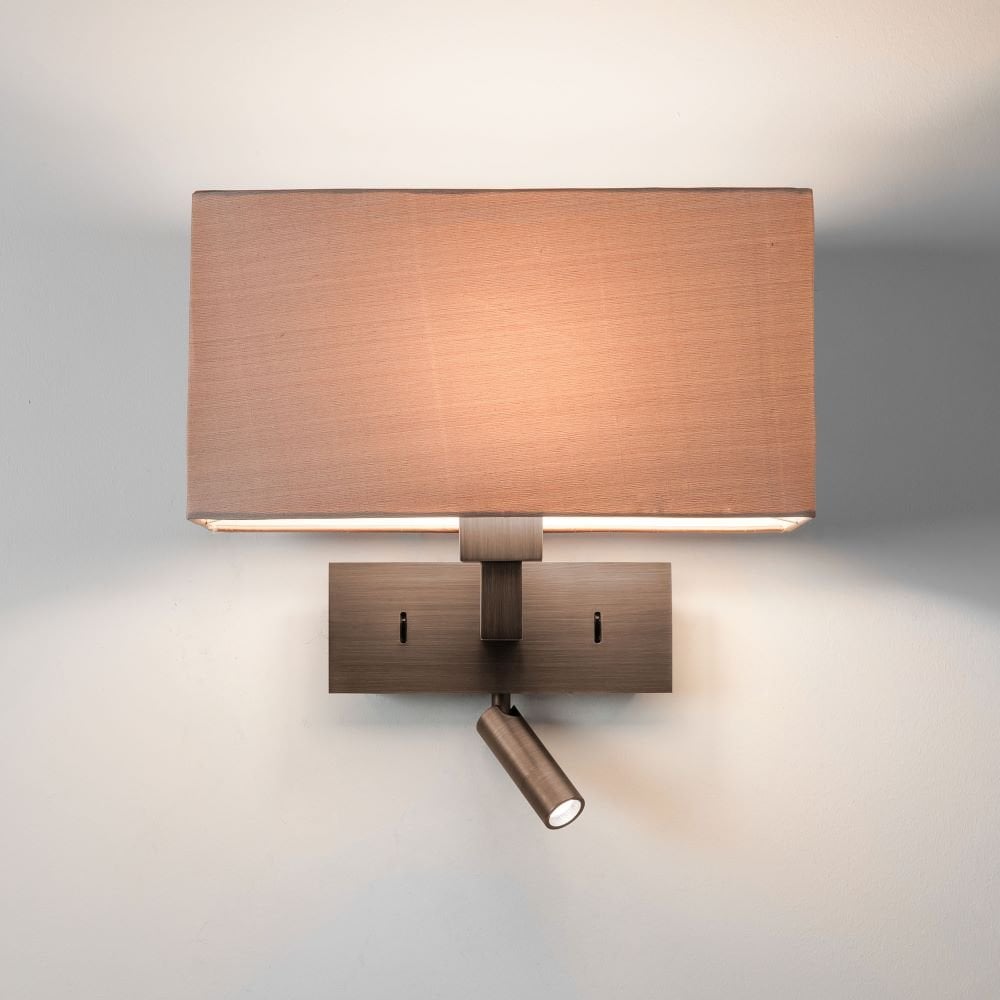
    Astro Park Lane Reader LED Dual Light Switched Wall Fitting Only In Bronze Finish

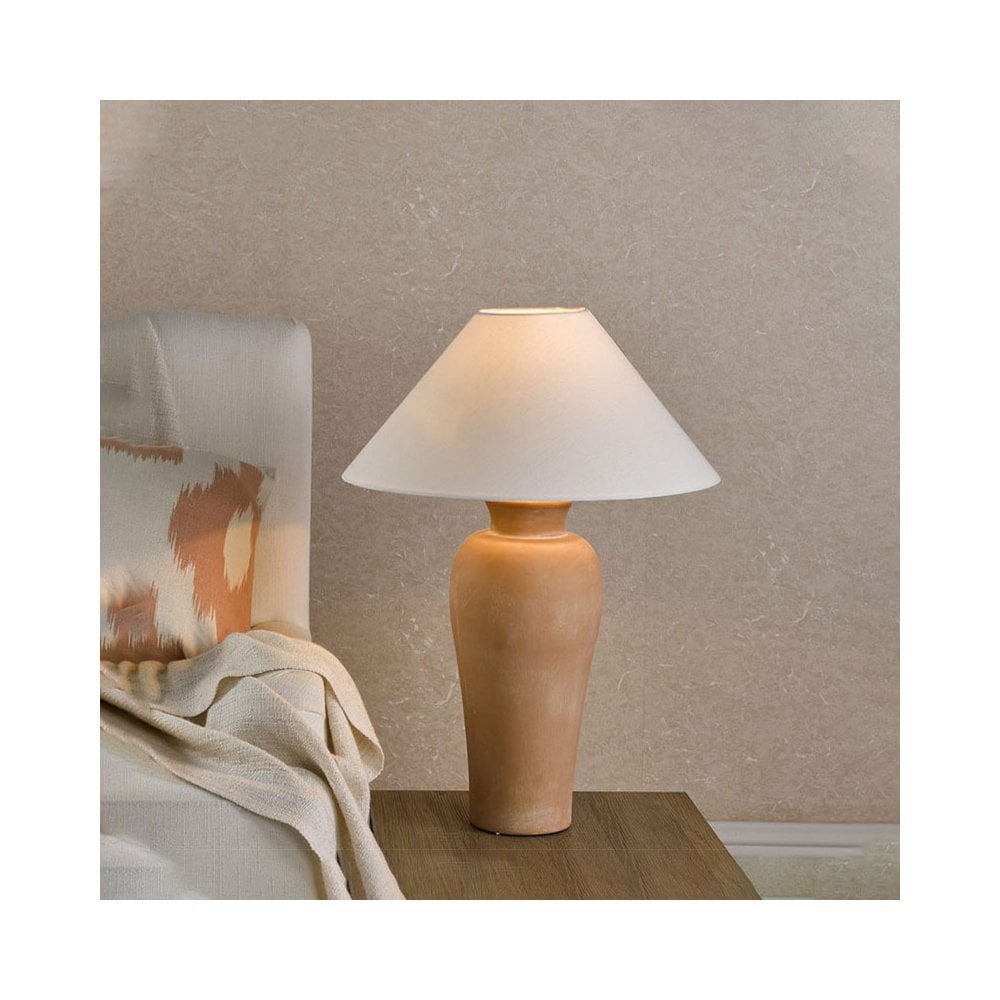
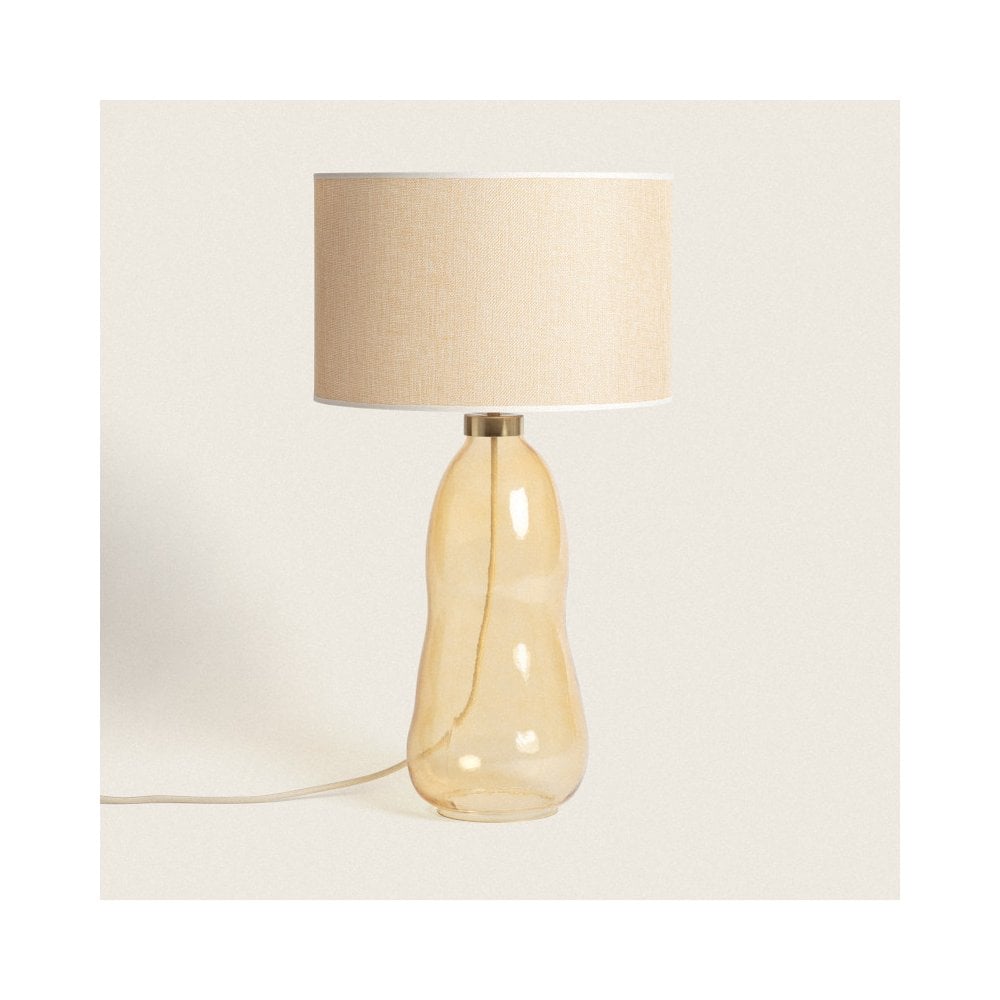
    Orange can also be soft and subtle. Take a burnt orange or a terracotta shade to bring warm Mediterranean tones to your home. Very pale pastel orange on a table lamp base can also have a soft and subtle feel, bringing a sense of calm to your interior. 

    But where should you put your orange lighting? Read on to discover the best room for orange lights.

    Orange lighting in bedrooms

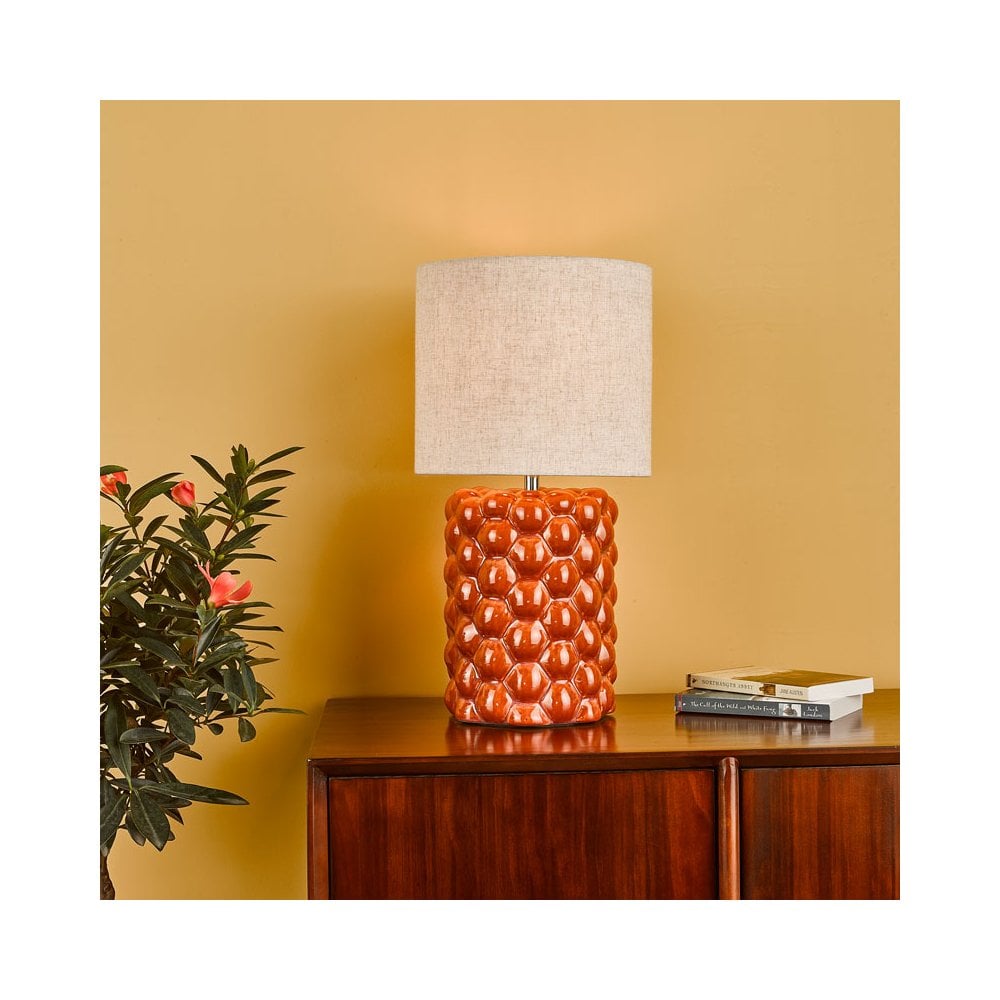
    Dar Lighting Sasha Single Light Ceramic Table Lamp Base Only In Terracotta Finish

    A bedroom is a great place to add these calming orange tones to your home. The warm hues will create the perfect warming sanctuary that embodies a relaxing sunset. The warmer side of the light spectrum will also positively impact your sleep cycle as the warm tones will help you drift off to sleep. Don’t forget to pair your orange light with a warm-white or amber light bulb to enhance the warm tones of the orange light, perfect for creating a relaxing atmosphere before bed. 

    Orange lighting in living rooms

    Edit Lighting Nally Tall Single Light Table Lamp In Orange Finish

    Inject an element of your personality by adding orange lighting into your living room. The warm, fun colour is perfect, especially if you want to brighten up a north-facing living room or live in a dull, wet climate. 

    Orange lighting in kitchens and dining rooms

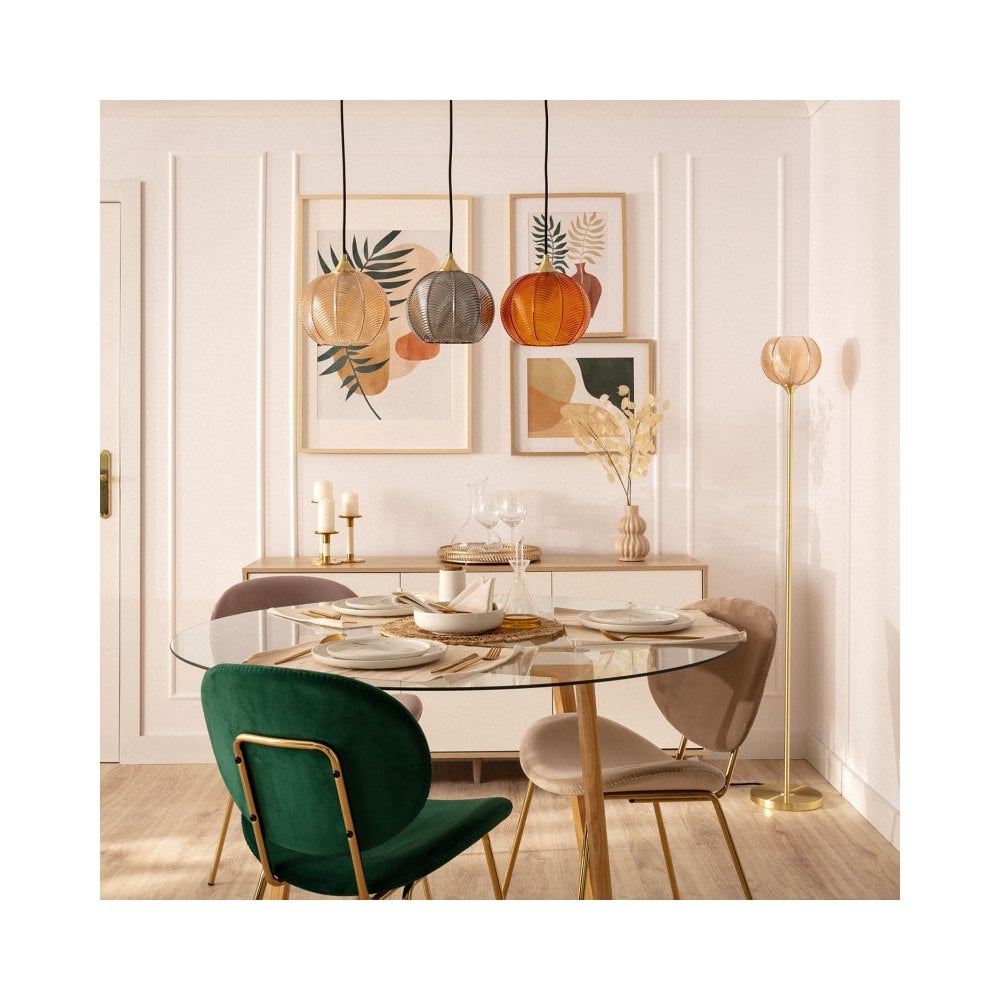
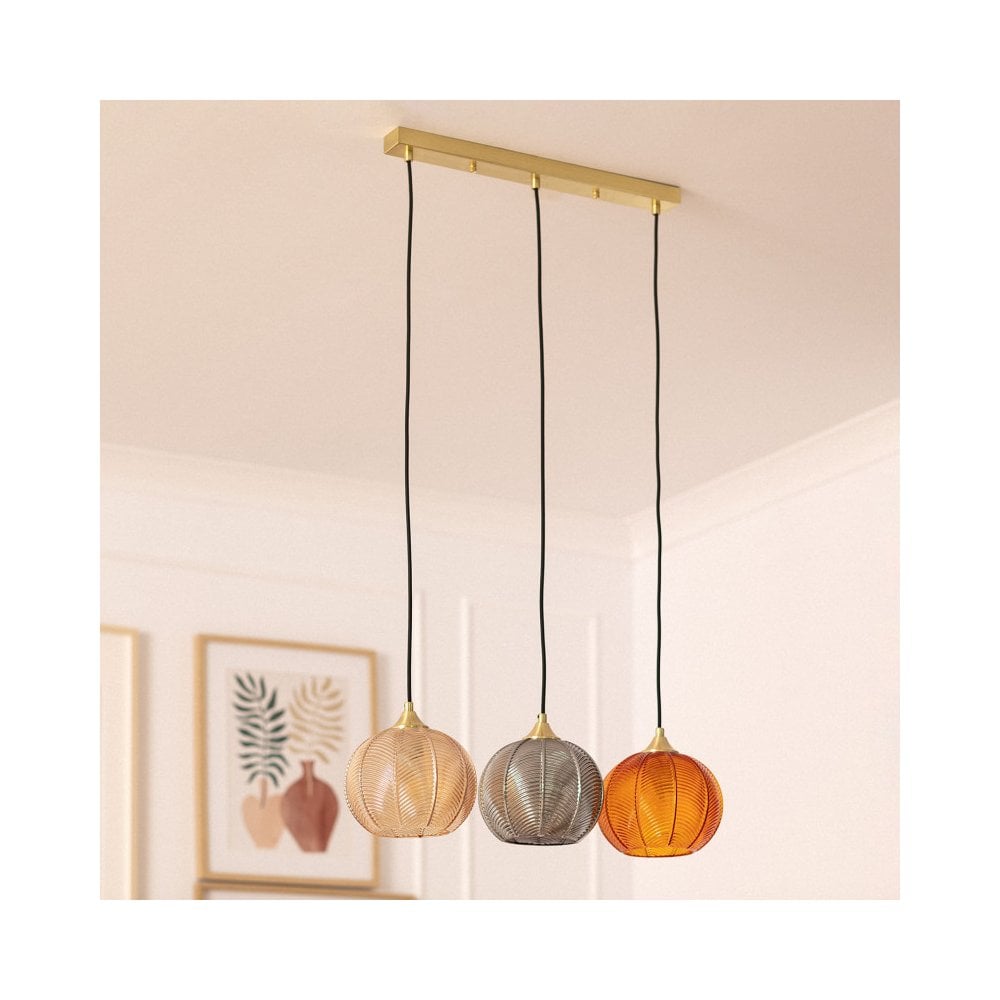
    Edit Lighting Klimt 3 Light Ceiling Pendant With Orange, Green And Beige Glass

    Kitchens are also fantastic places to incorporate orange. The zesty citrus tones of orange lighting are meant to look good enough to eat and bring a refreshing atmosphere to your kitchen.

    Here are some of the best lighting options in orange to inspire your interior design. 

    Orange table lamps

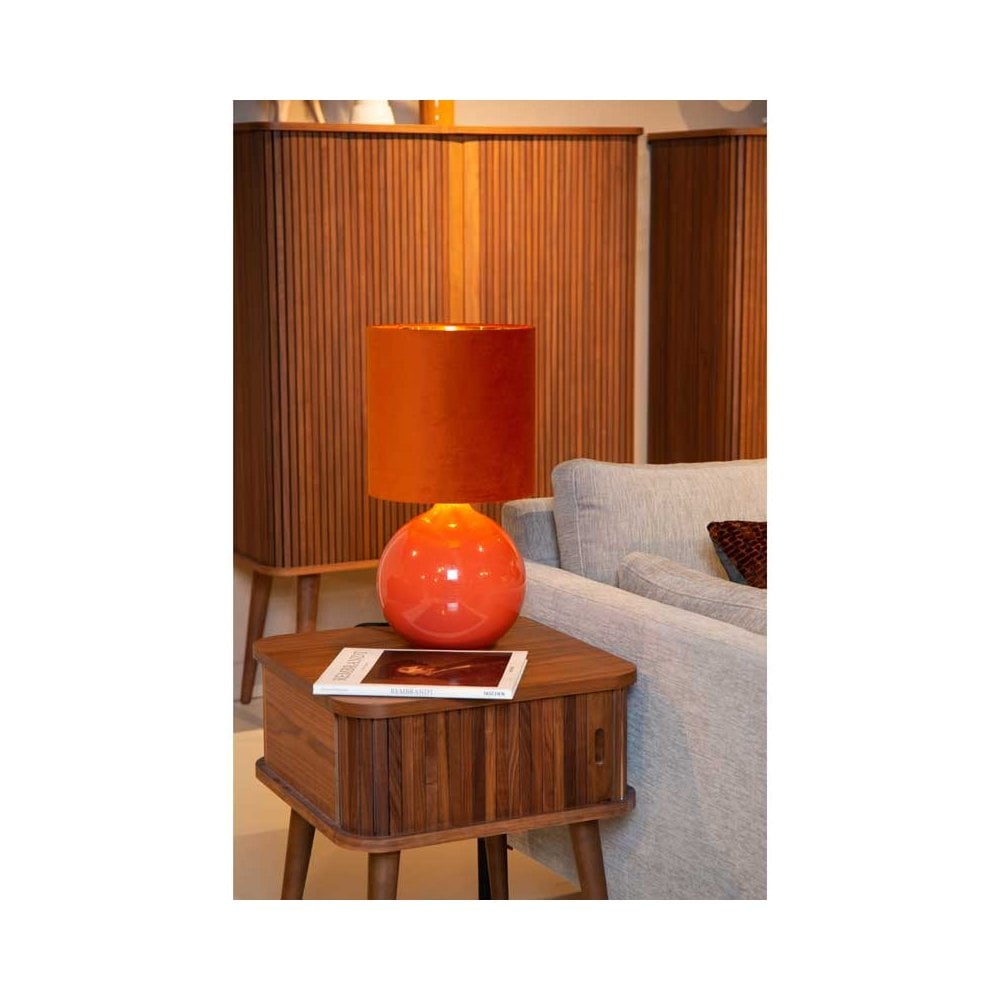
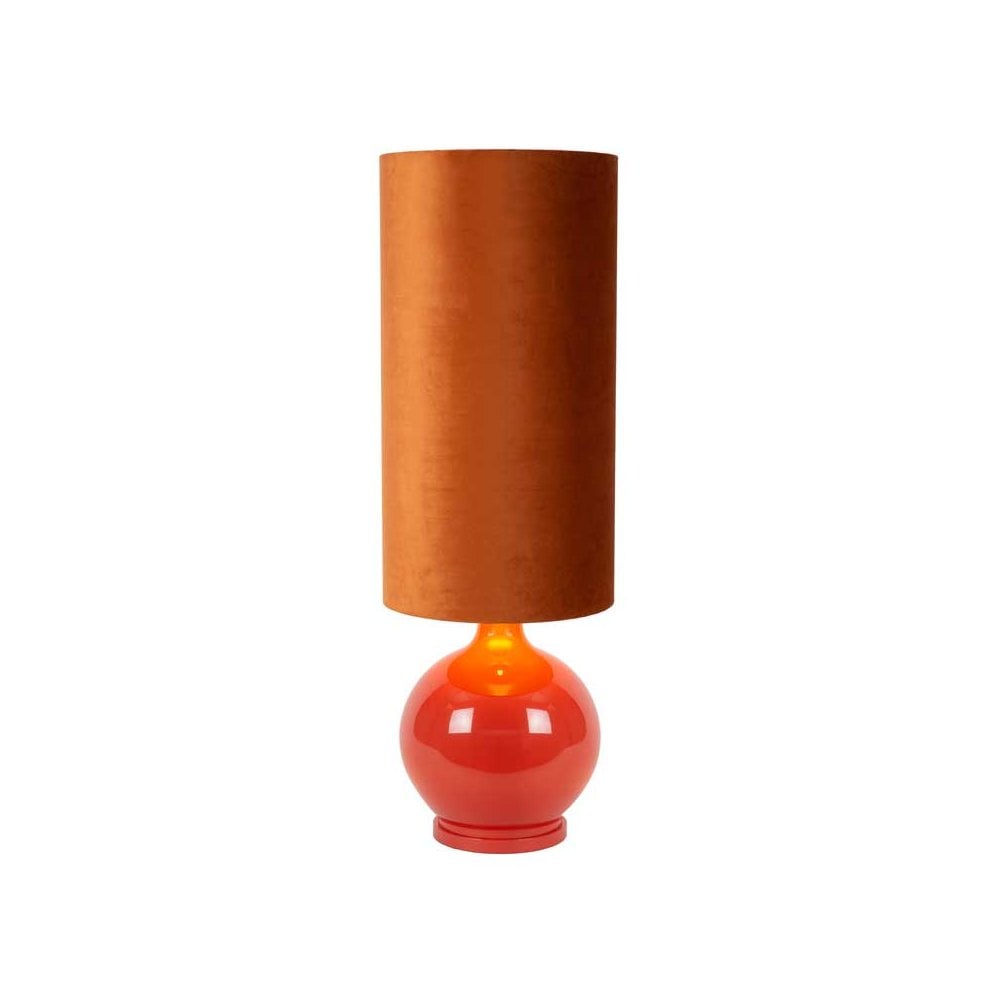
    Lucide Esterad Single Light Table Lamp In Orange Finish

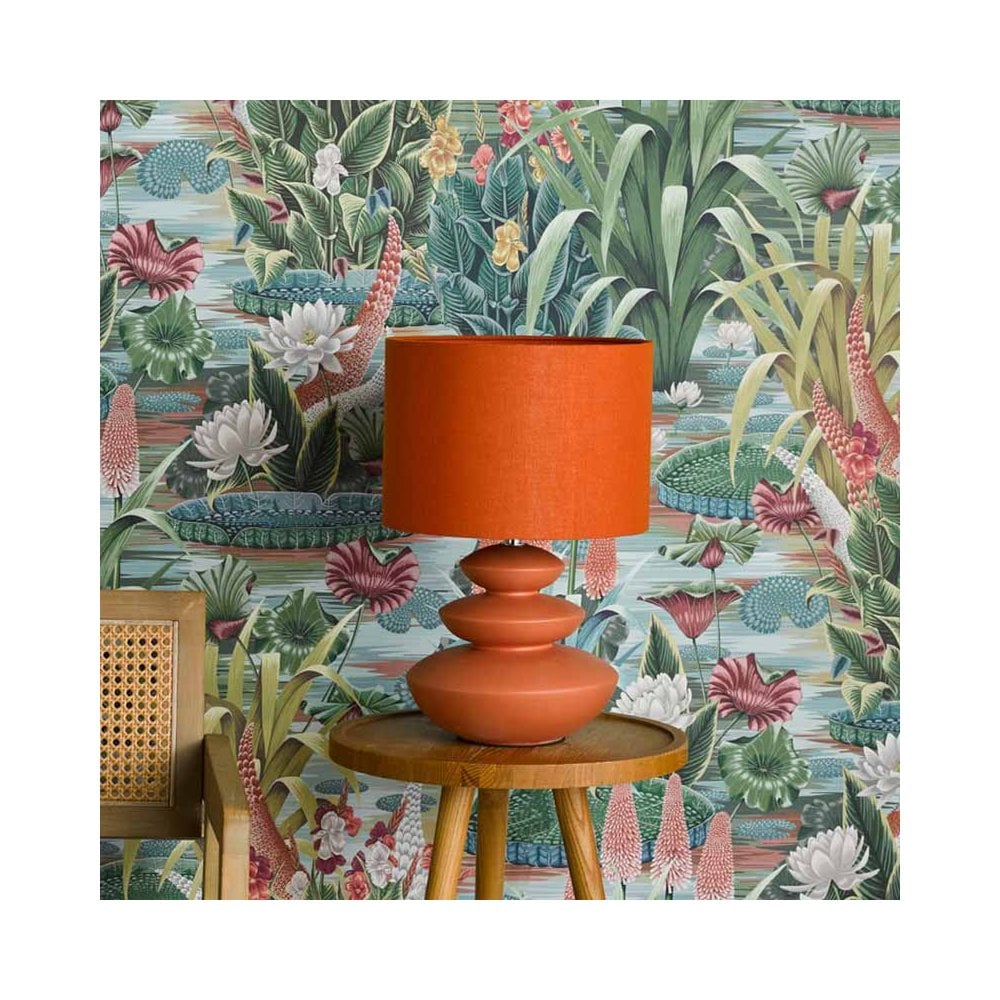
    Big, bold table lamps with big ball ceramic bases offer a real presence in your home. Whether acting as a pop of colour in your living room or brightening the end of a console table, they are worth placing centre stage. Experiment with modern and retro shapes to suit your preferred style, drawing on those groovy 70s vibes or futuristic sculptures. Orange table lamps are ideal as statement pieces against a neutral background or complementing a vibrant colour scheme. 

    Orange pendant and ceiling lights

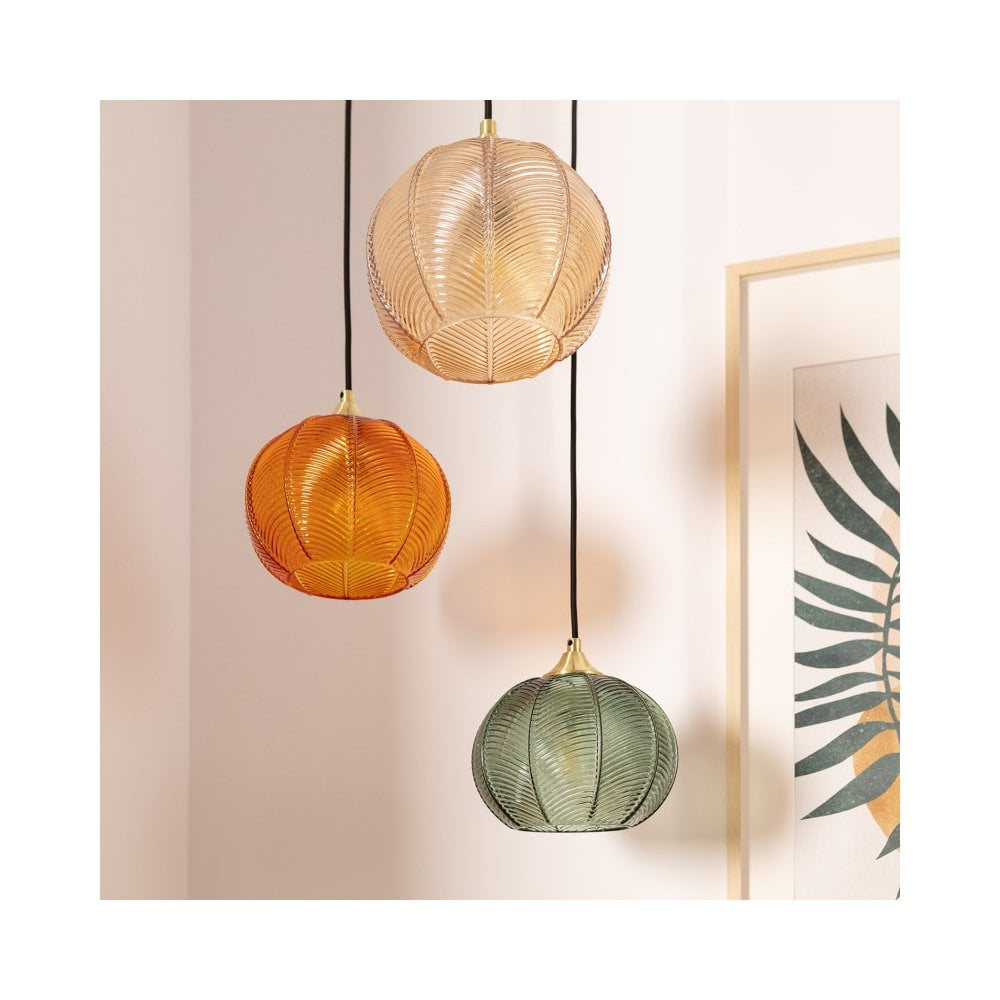
    Edit Lighting Klimt 3 Light Cluster Ceiling Pendant With Orange, Green And Beige Glass

    The orange pendants or ceiling lights can make a bold statement in any room, especially when mixed with interesting textures and materials to add interest. These 3 light cluster ceiling pendant lights with orange, green and beige glass shades offer an earthy, bohemian, very on-trend look. 

    Orange lampshades

    Lucide Esterad Single Light Floor Lamp In Orange Finish

    Any lamp with an orange lampshade will create a warming hue. You can choose from luxurious silk to brassy velour or saffron-esque cotton in many styles, materials and finishes. Why go plain when you can choose a lampshade with orange patterns that stands as a work of art? 

    What colour goes with orange?

    You can’t just have orange, orange, orange! If you’re redecorating and want to incorporate orange lighting, here is a list of the best colours that go with orange for a comprehensive interior design. Or, if you already have a certain interior colour scheme, find out if orange will work in your existing interior. 

    Neutrals

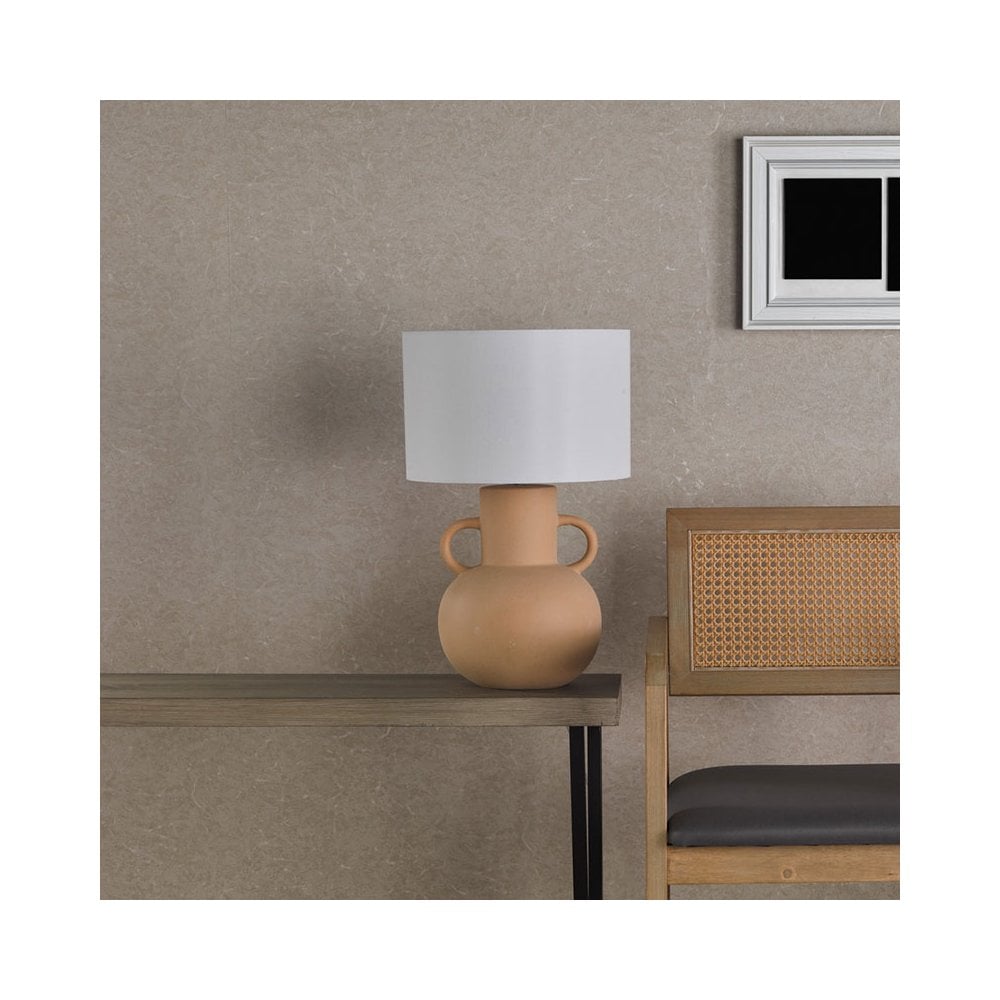
    Dar Lighting Urn Single Light Ceramic Table Lamp In Terracotta Finish With Linen Shade

    As orange can be a strong colour, complement it with neutral tones. Greys, taupes, whites and beiges will balance out the bold orange colour and create a sense of harmony. The combination will create a modern, classic interior design. 

    Bold and deep blues and greens

    Dar Lighting Discus Single Light Ceramic Table Lamp In Orange Finish

    Alternatively, if you love bold colours and the eclectic maximalist interior look, pair your orange lights with opposite colours on the colour wheel, like navy blues and emerald greens. These will create a contrast and really make the orange pop. Play around with texture, pattern and fabrics for more eccentric interior design ideas.

    Paired with lighter shades like sage or turquoise will transport you to fresh, sunny climes.  

    Black, brown and red

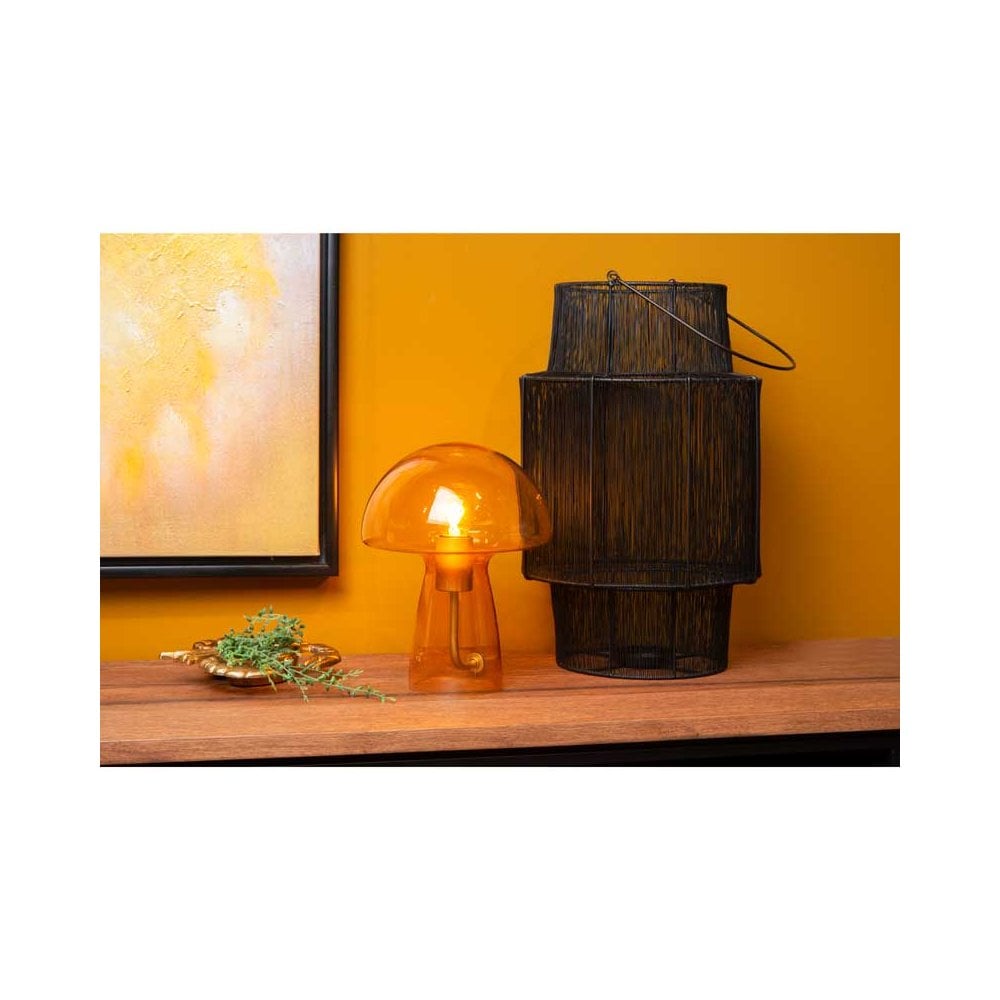
    Lucide Fungo Single Light Table Lamp In Orange Finish

    We’ve talked a lot about summer capri sun vibes and warm summer sunsets in the Mediterranean, but what about our autumn girlies? Orange, of course is one of the main colours of Halloween after all. Pair your orange lights with black for an even bolder, striking contrast and moody aesthetic. Dark earthy browns and reds will also create a cosy autumnal vibe in your home. Take a look at this adorable mushroom-shaped orange light, perfect for Halloween.

    Gold metallics

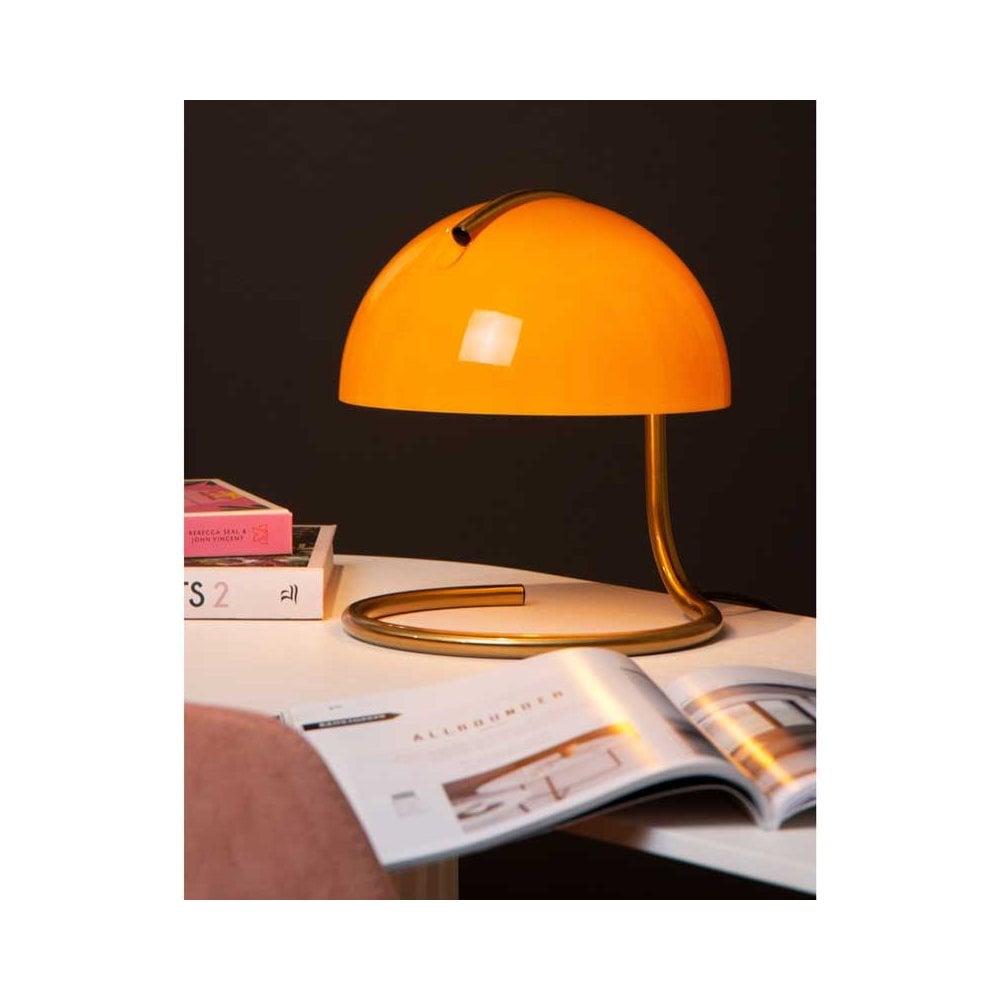
    Lucide Cato Single Light Table Lamp In Orange Finish

    When paired with gold metals, orange lights can create a more industrial feel. Or a sense of that historical opulence from ancient times. 

    Yellow

    Dar Lighting Jayden Single Light Table Lamp In Orange Finish With Shade

    Pairing orange lighting with yellow or similar shades on the colour wheel will create a warm, cheerful, sunny feel. Alternatively, mustards and dirty oranges will give you more of an autumnal vibe. 

    Pink

    Edit Lighting Society Single Light Table Lamp In Coral Finish With White Glass

    Often thought of as a clashing colour with orange, pink will provide a fun, playful and youthful tone when paired with orange. Perfect for a child’s bedroom.

    Orange lights at Castlegate Lights

    We hope you feel confident incorporating the very underrated colour orange into your lighting scheme. Whether you want to inject energy and zest into your home or create warm, sunny vibes, orange is more versatile than you think.

    Get more interior design inspiration from our orange lighting collection at Castlegate Lights.

    Related blogs:
  • How to style pink lighting

    How to style pink lighting

    Pink is often an interior colour choice that gets looked over as “too feminine”, “too sweet”, or “too Barbie”. It’s true adding pink can be a bold interior design choice. However, with the right shade or hue and lighting, adding pink lighting to your interior can have a stylish, calming or contemporary effect on any room. 

    In this guide, we look at the best ways to add pink lighting to your home and style it to create the atmosphere you want to evoke. We will review the best pink lighting options for different rooms and what other colours go best with pink to help you complete your pink redecoration project.

    Table of contents:

    Pink colour theory

    Not many opt for pink as an interior design choice, but there are so many shades and hues of pink that can complement a range of styles and interiors there’s no reason to shun this beautiful and classic colour. For example, you can get soft, muted shades or fizzing neon and hot pink. You can also get pinks with undertones that evoke different emotions. For example, pinks with grey, brown, peach, raspberry or lavender undertones.

    Pinks with brown undertones are some of the easiest to style. The muted tone is perfect for old houses and reacts to light the least. Pink with grey undertones is the coolest and most sophisticated option. Pink with peach undertones is beautiful, warm and one of the most feminine. Whereas pink with raspberry undertones has a delicious and energetic feel and is best as an accent piece.

    Choosing the right hue for your room will affect a room’s ambience differently, so think about this carefully. For example, dusty pinks, roses or blush with mellow tones will provide a relaxing, calm atmosphere, whereas bright and hot pinks bring energy to a room. 

    Pink is also heavily affected by light. (Quite important when thinking about lighting). Consider if your room has natural or artificial lighting or if it’s a big and light or small and dark room. Is it north, south, east or west-facing? All these will affect how the colour pink will look in a room.

    For example, more natural light will soften pink shades, whereas artificial light will make it more vibrant. Pink in a north-facing room can make pink hues look almost lavender. 

    Here are how different tones can create different atmospheres.

    The perfect statement piece

    Pink can offer a bright, bold tone, so it is a fantastic option for creating the perfect statement piece. Whether you choose a big ceiling, pendant light or chandelier, pink can draw the eye and be the centrepiece of a bedroom or living room.

    Discovery Lighting
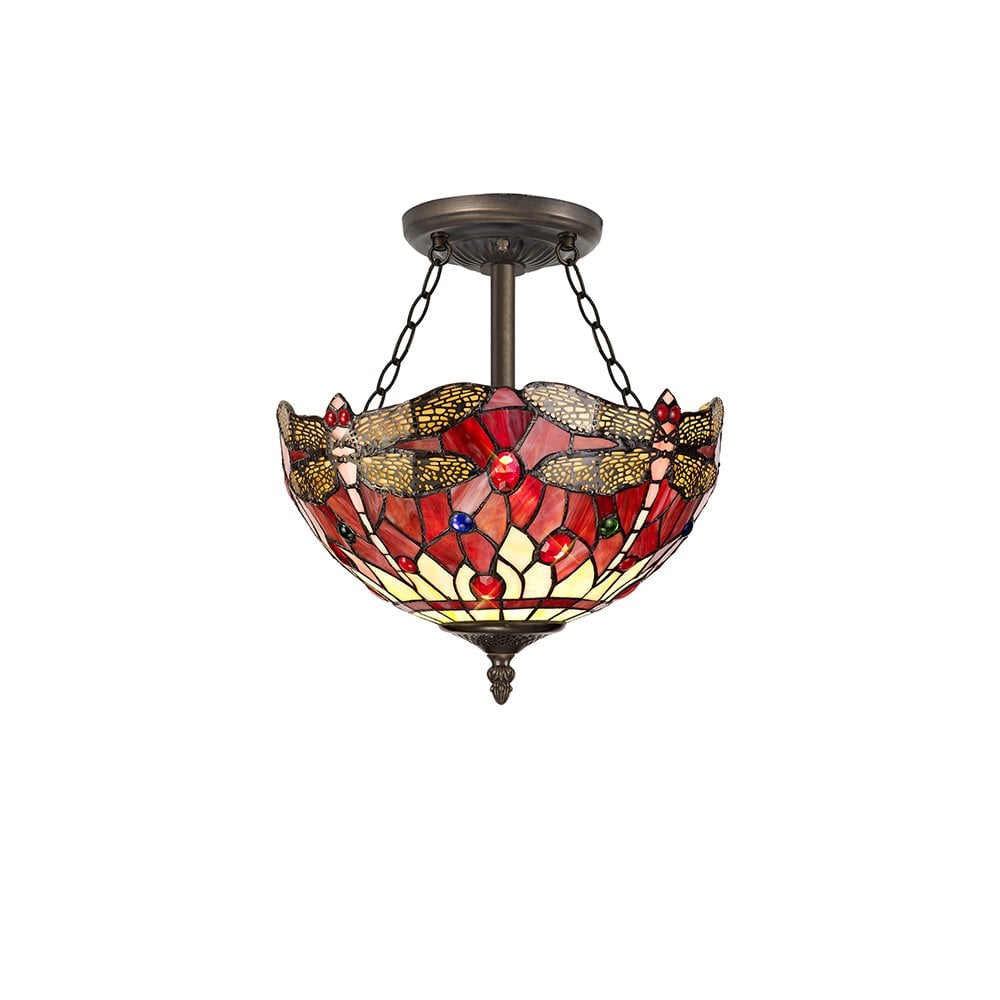
Evelynn 3 Light Semi-Flush Ceiling Light In Aged Antique Brass Finish with Purple, Pink and Red Tiffany Glass Shade

    Be sure to decorate your room with neutral colours to make the pink pop. For a bold, modern look, opt for a light pink glass. Or, for a vintage look, a pink accent Tiffany lampshade will stand out from the crowd. 

    Subtle yet stylish

    Pink can also have a minimalist and simple effect. Add a subtle splash of colour to your bedside table or desk. Or add a pink floor lamp to brighten up a dark corner.

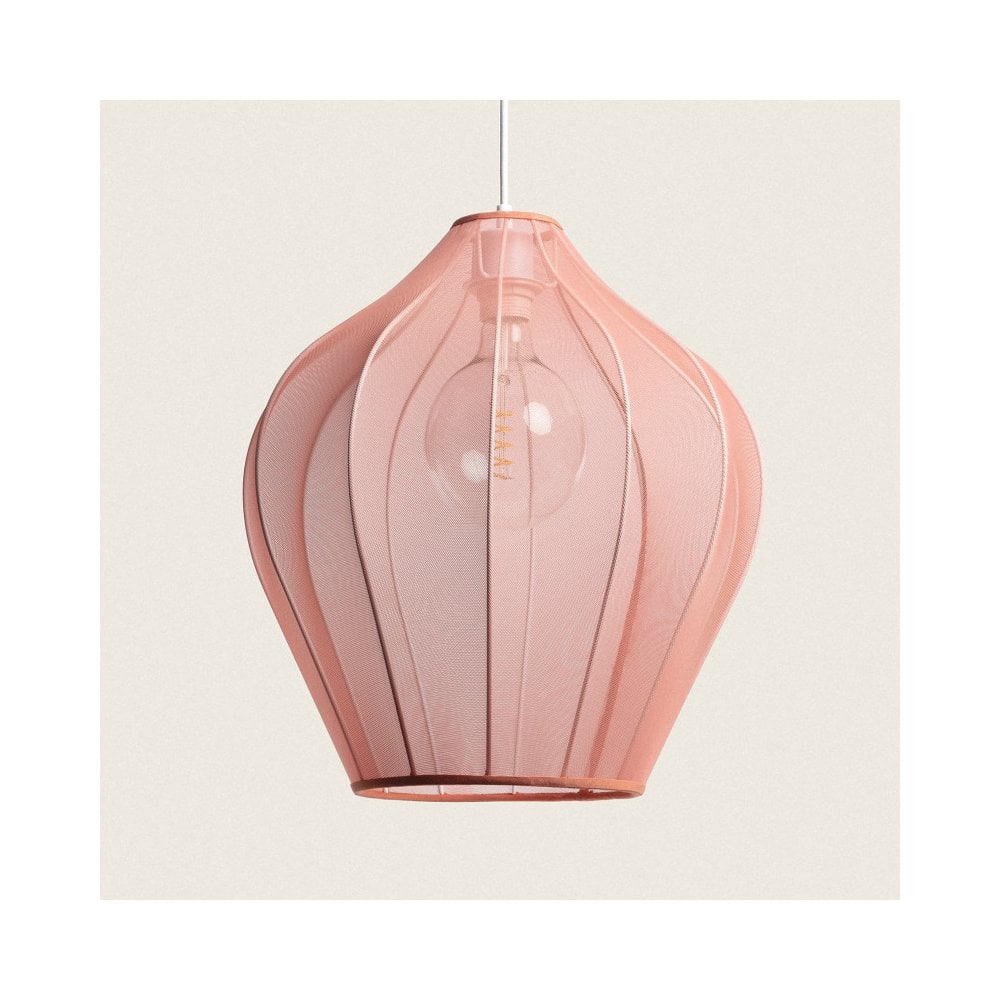
    Edit Lighting Yara Single Light Ceiling Pendant In Terracotta Finish

    Something like a pink lantern-style lampshade will create a soft, dreamy ambience. Or, a classic silk shade will help create a sophisticated and romantic atmosphere. 

    Fun and flirty

    Pink can also be fun and flirty. Vary your materials and textures for a playful and trendy vibe. Find bohemian whimsy with pink fringe or velvet shades. Or, a pink pleated shade with a metal frame offers a warm glow and a contemporary style.

    Glow Hello LED Neon Wall Light In Pink and White Finish

    Alternatively, why not add a pink neon sign for a playful, quirky, eye-catching statement piece? 

    Pink really can go well in any room, but here are the two most favourite rooms for using pink.

    Pink lighting in bedrooms

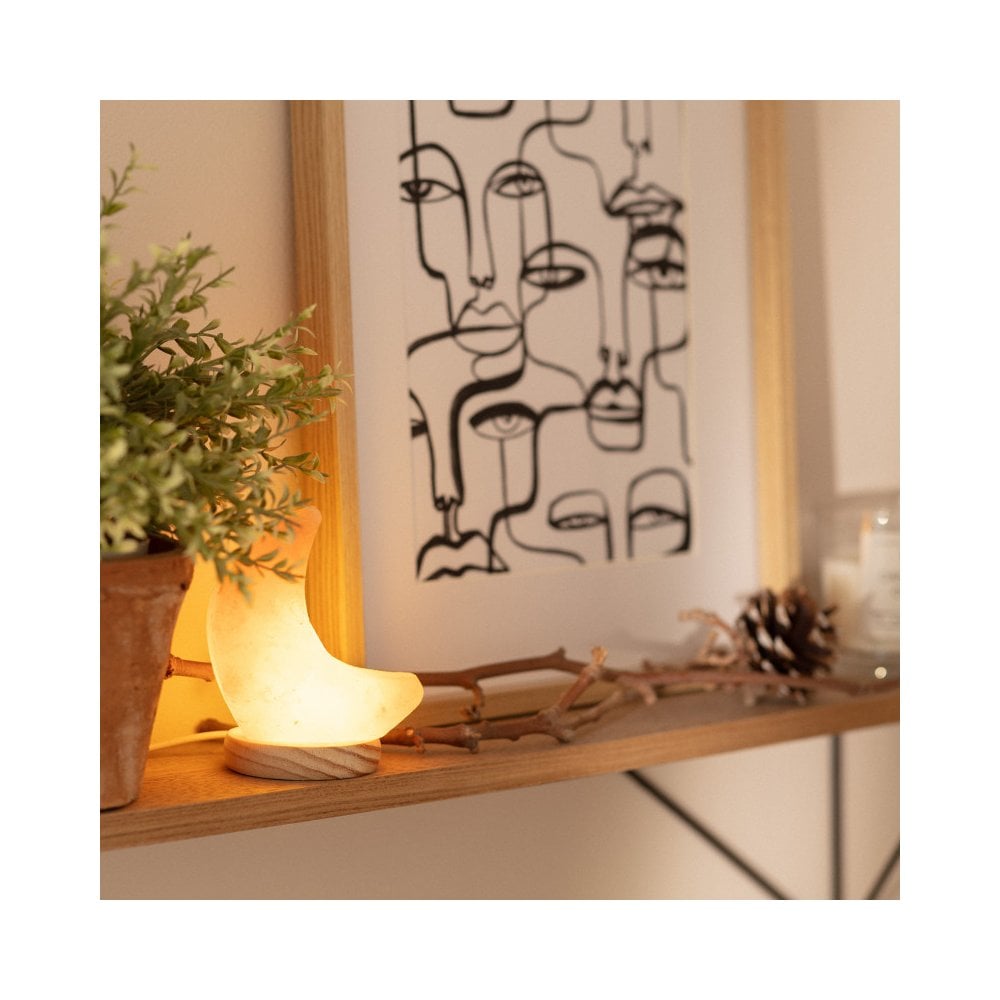
    Edit Lighting Mineral Salt Moon Integrated LED Table Lamp in Pink Finish with USB Connection and Wood Detail

    Whether you want to create a cosy, intimate space or a bright, playful room, pink is a fantastic option for a bedroom. Why not add a pink Himalayan salt lamp for a calming glow to create a relaxing ambience for meditation or a reading nook?

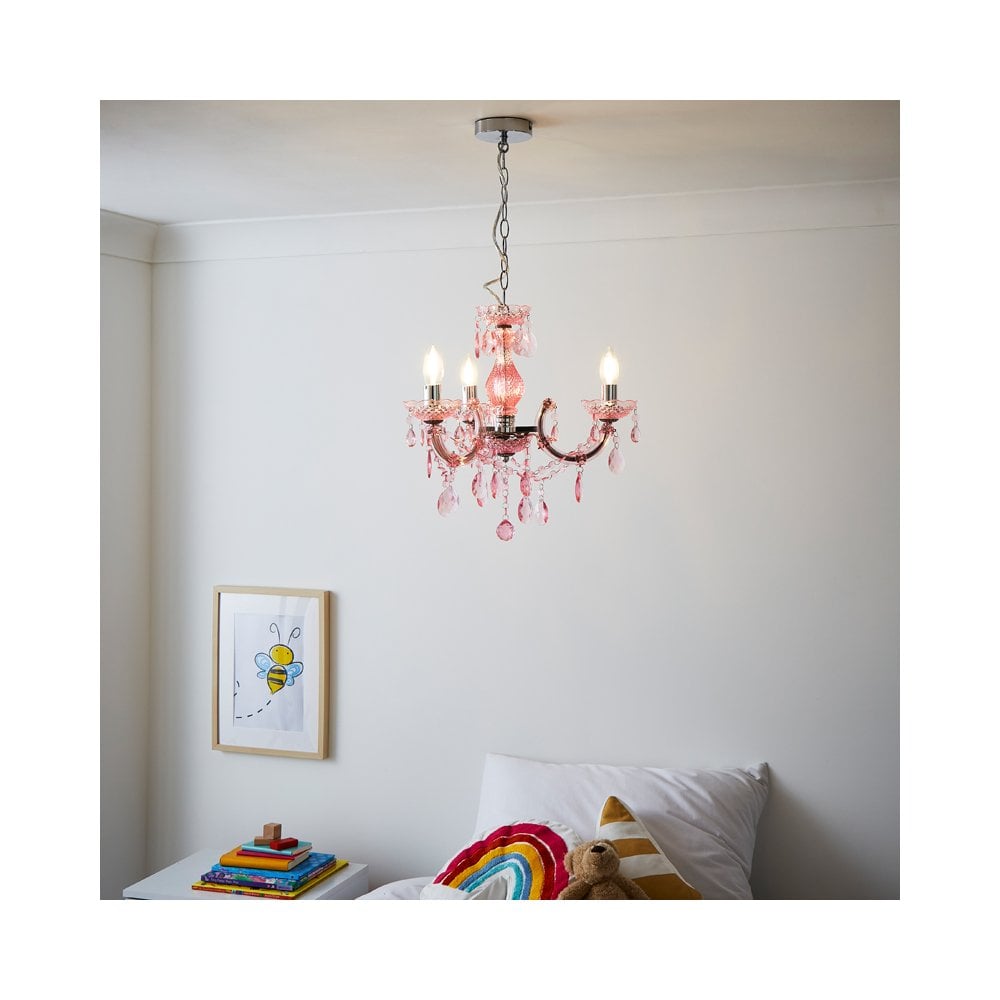
    Glow Marie Therese 3 Light Chandelier In Pink Finish

    A pink chandelier can add glamour and a fun, flirty feel to your bedroom. The cascading crystals are romantic and dreamy, perfect for your inner princess mode or to create luxury in a primary suite.

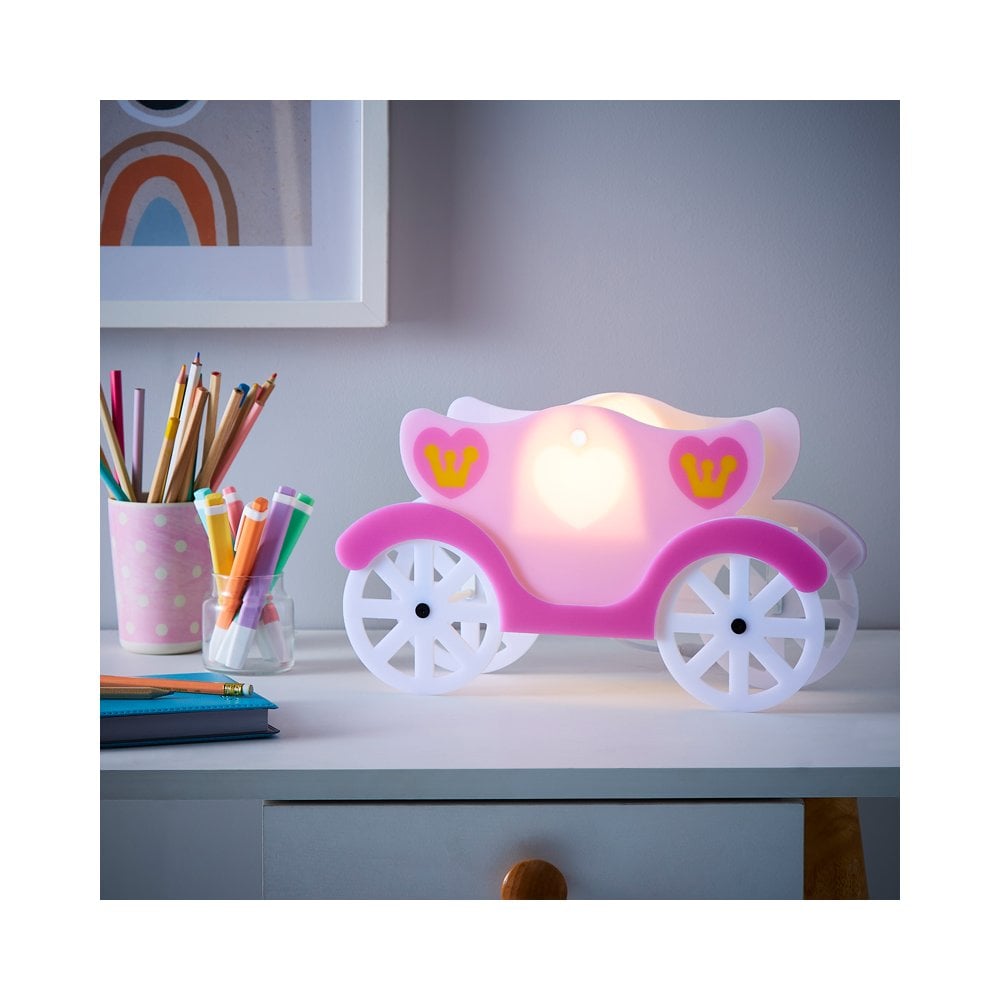
    Glow Princess Carriage LED Table Light In Pink Finish

    If you want to create a calming and soothing atmosphere, maybe in a child’s bedroom, a pink diffuser creates the perfect atmosphere for winding down before bed with a subtle, warm glow that won’t disturb your sleep. 

    Pink lighting in living rooms

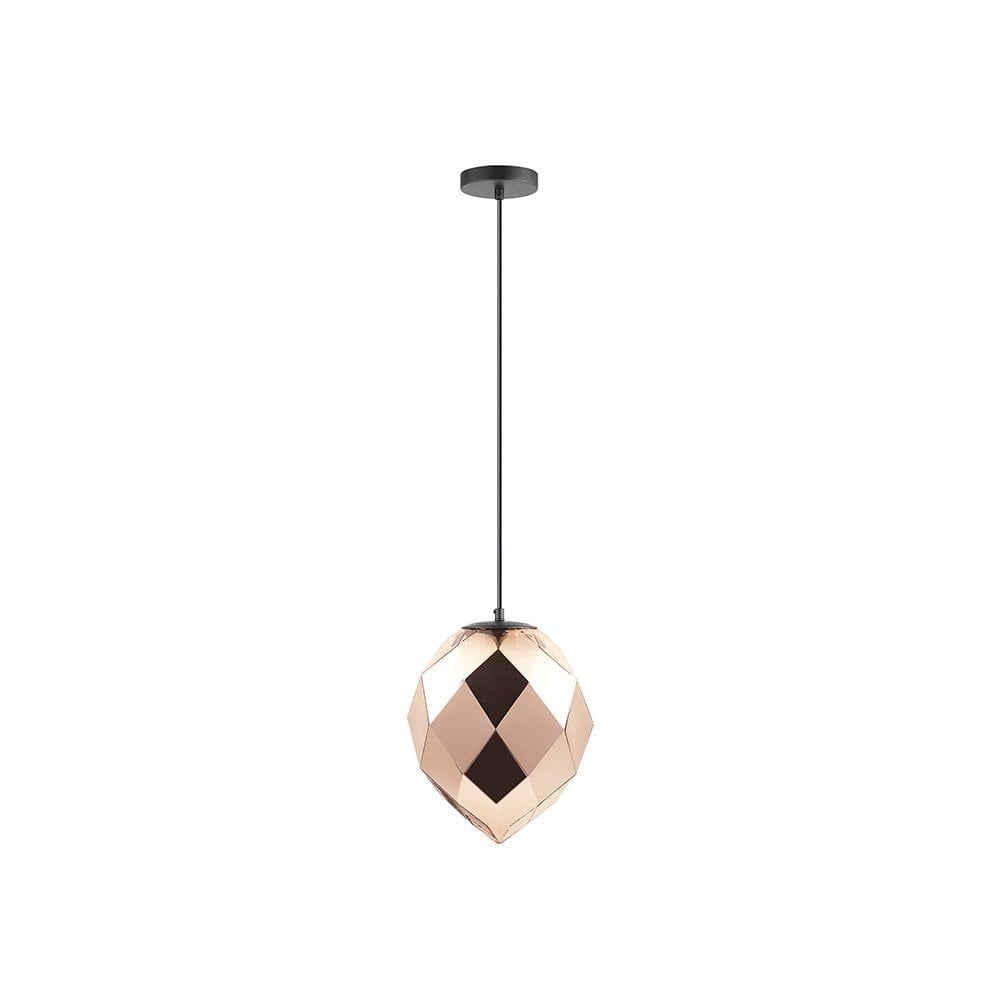
    Impex Lighting Facet Single Light Glass Ceiling Pendant Light In Gold Finish

    You have a few options to play around with when adding pink to your living room. Pink lights can add a playful, fun touch, shedding light on your personality and individual style. A geometric pink light can look modern in a contemporary home. Or, a dramatic statement piece like a pink pendant for a bold design, inciting drama, will draw the eye.

    Pink table lamp

    Alternatively, you may want to go a different, more subtle route. You can also create a cosy and intimate room with pink lamps in the living room. 

    Here are some of the most popular pink lighting fixtures and lamps you can incorporate into your home.

    Pink lampshades

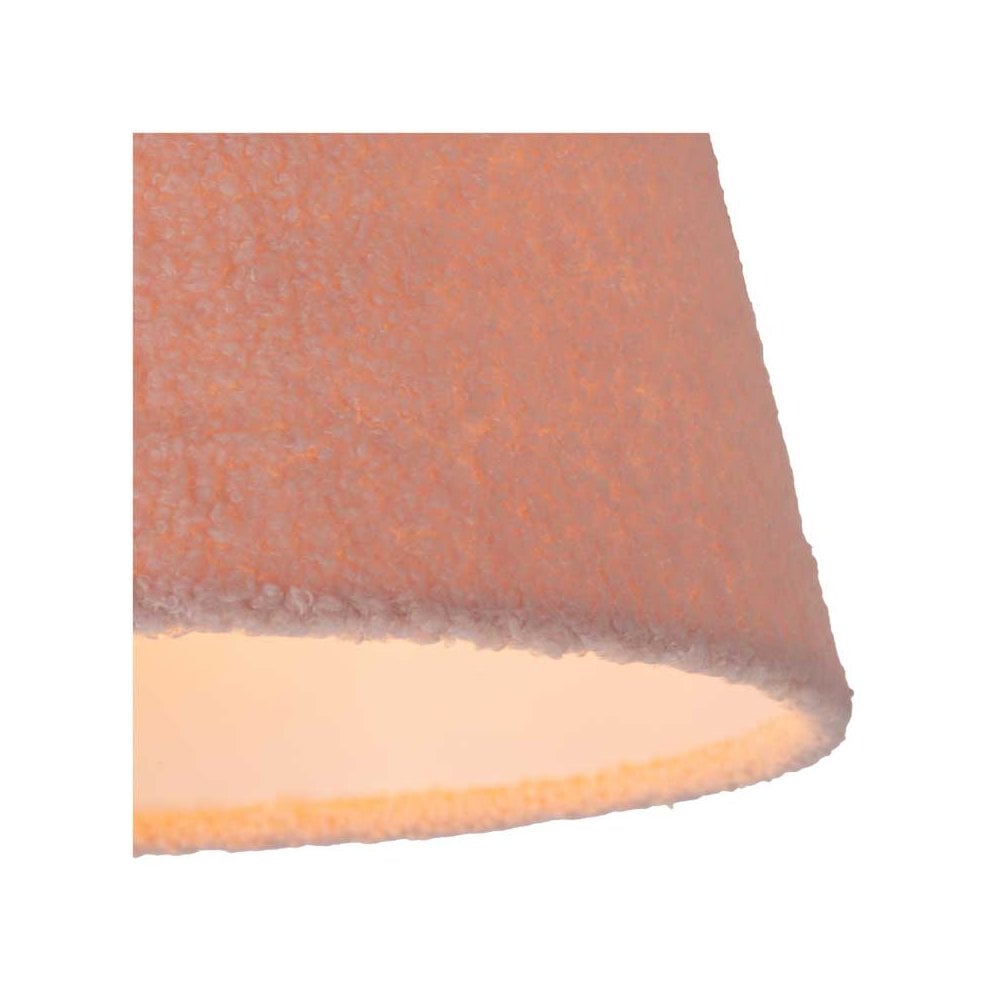
    Lucide Woolly Single Light Ceiling Pendant In Pink Finish

    From charming and sophisticated to patterned and playful, there are so many types of pink lampshades and light shades you can choose from. From contemporary to traditional with a modern twist, lampshades are a great way to incorporate patterns, prints and texture into your interior. 

    Pink chandeliers and pendants

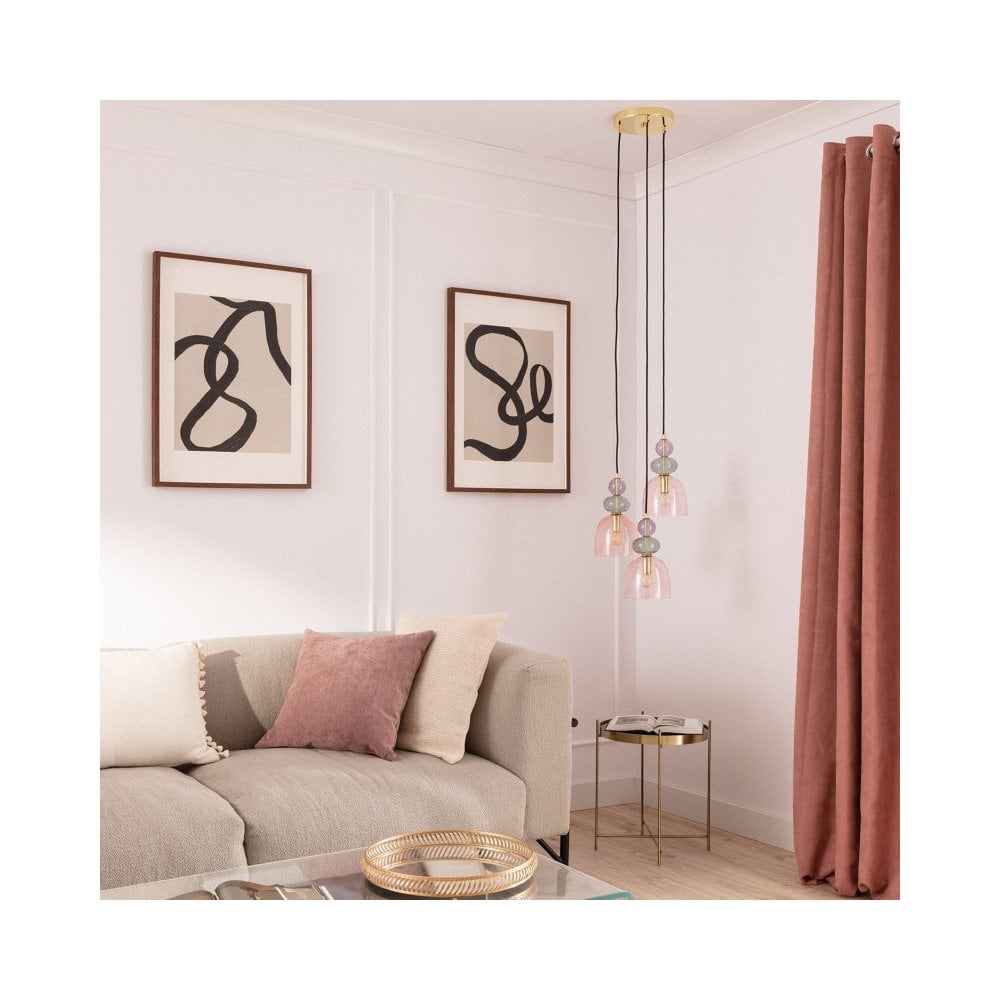
    Edit Lighting Baudelaire Glass 3 Light Cluster Ceiling Pendant In Pink Finish

    Pink chandeliers and pendants offer luxurious opulence, especially ones with crystal or glass adornments. From modern to retro styles, these pink lighting fixtures will always catch the eye.

    Pink floor lamps

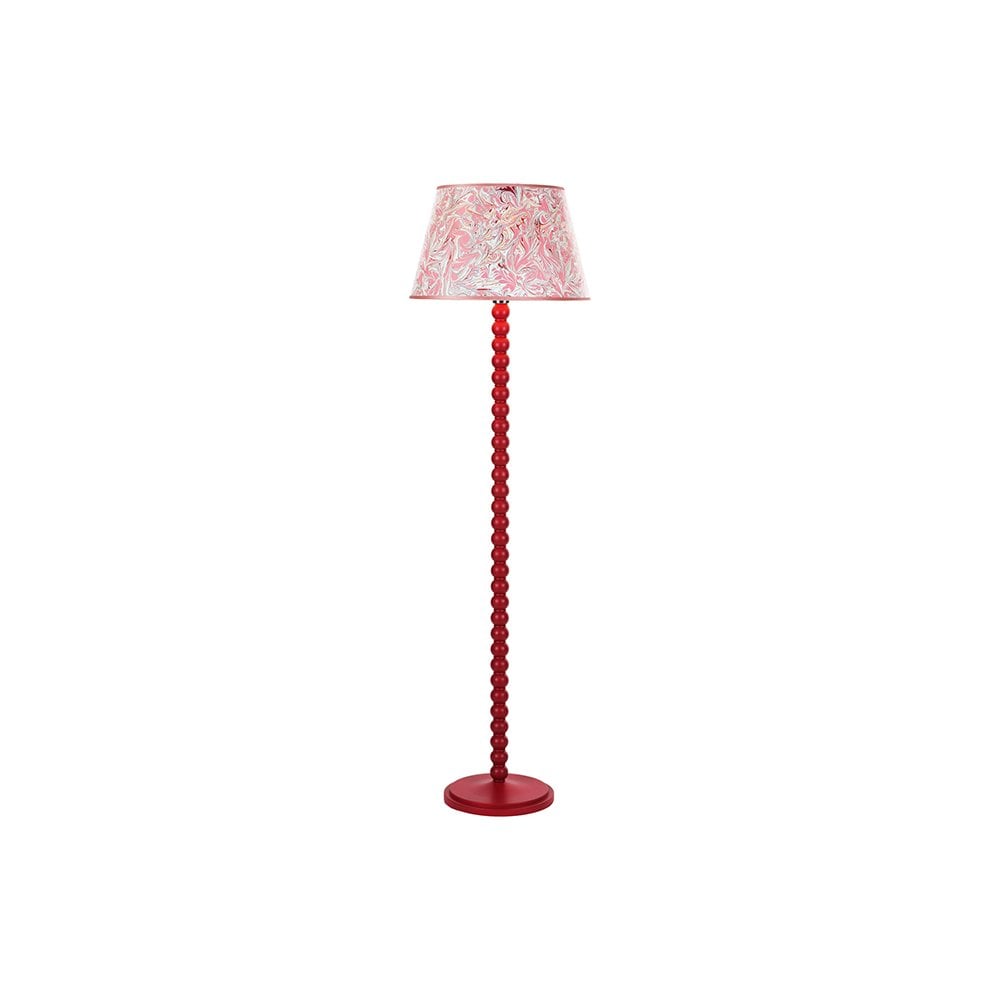
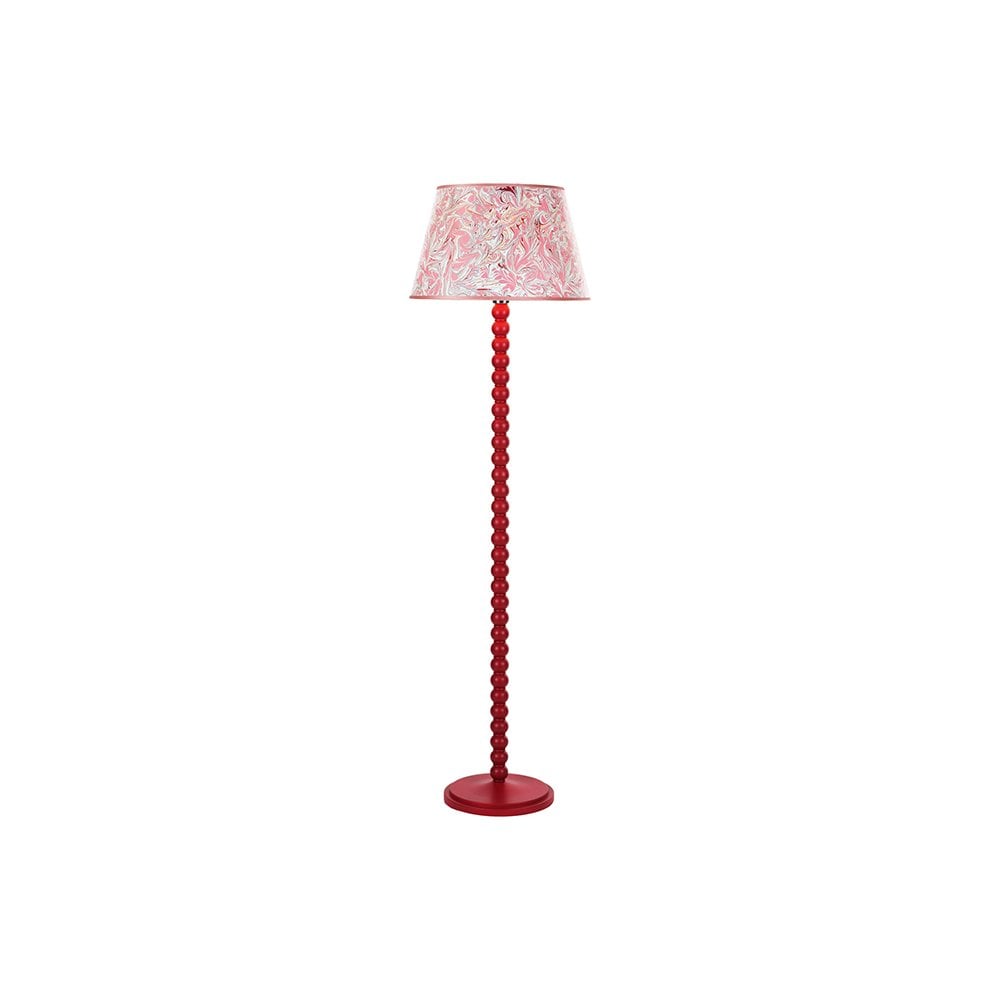
    Dar Lighting Spool Floor Lamp Base Only In Gloss Red Finish

    A floor lamp with a bold pink stand is a brave design choice. Usually an unusual colour, a bright hot pink column exudes feminine power and sass. 

    Pink table lamps

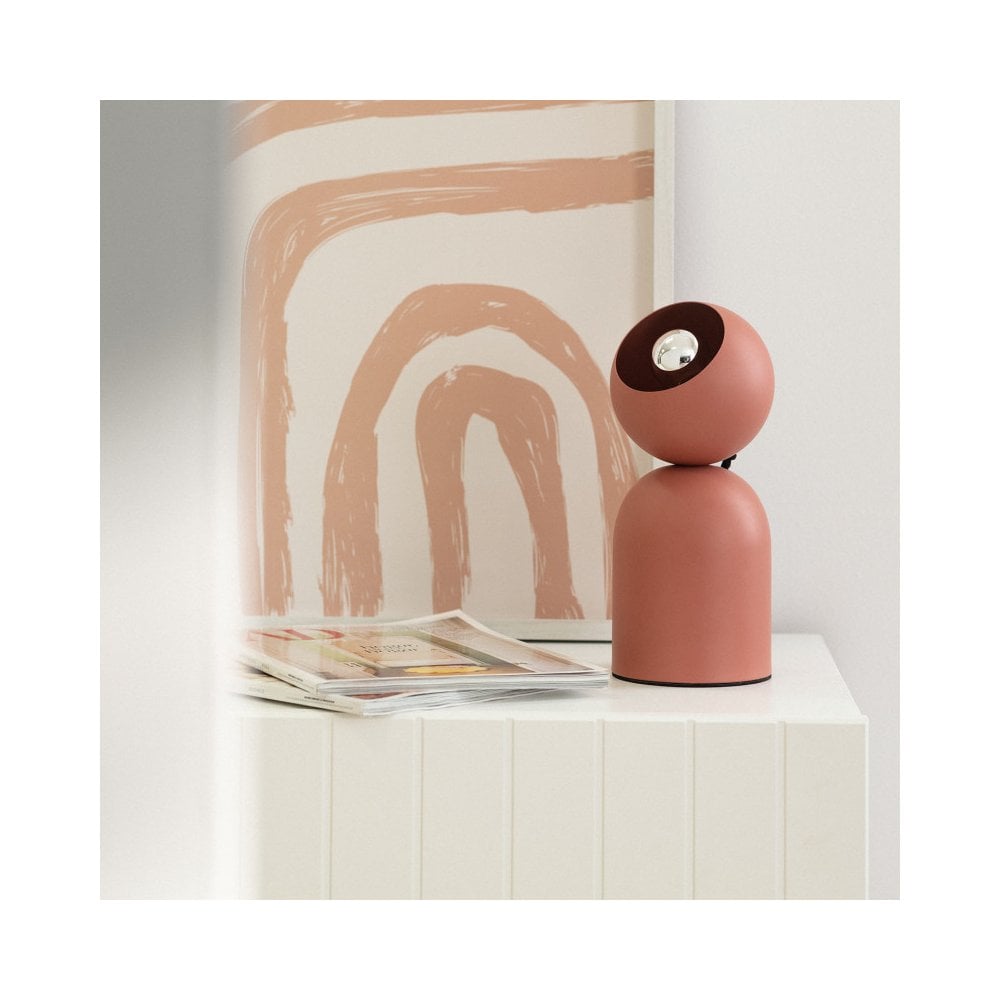
    Edit Lighting Luca Single Light Table Lamp In Peach Finish

    A pink-painted table lamp is the perfect way to add a splash of colour, whether vivid or subtle, to your interior. 

    What colour goes with pink?

    If you know you’ve decided to incorporate pink lighting into your home, here are a few other ways to style your home to complement your pink lighting. Having pink throughout a room can be overwhelming, so complement your pink lighting with some of these complementary colours in your wall paints, furniture, soft furnishings or decor.

    Subtle and neutral

    Pink table lamp

    Pink can often be classed as neutral but with more energy than white, beige, or grey. As a result, when paired with these colours, the pink will stand out yet keep the overall colour balance neutral. Choose this colour combination if you want a clean, fresh look with a touch of modern sophistication.

    Pink and green

    Edit Lighting Baudelaire Single Light Ceiling Pendant In Pink Finish

    Pink and green is a classic combination rooted in nature. Opt for sage green for an earthy feel or mint green for a fresh, vibrant, and playful look.

    Dusty blue

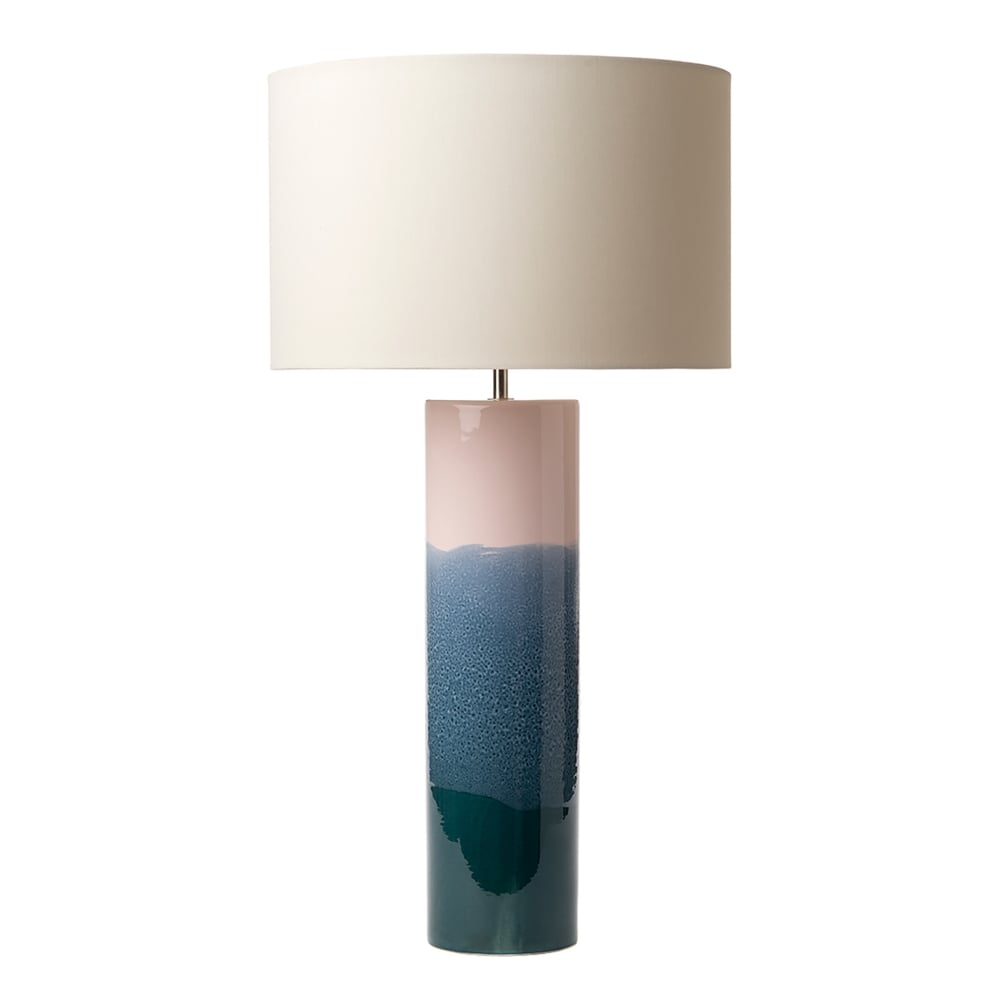
    Dar Lighting Ignatio Single Light Ceramic Table Lamp Base Only in Multi-Coloured

    When paired with pink, blue can create a serene, relaxed, elegant feel. The blue will also tone down the feminine nature of pink, so it will still feel soft and comforting without being overwhelming.

    Using deeper navy blues against pinks can also make them pop more. In a bedroom, this can look very sophisticated.

    Natural materials

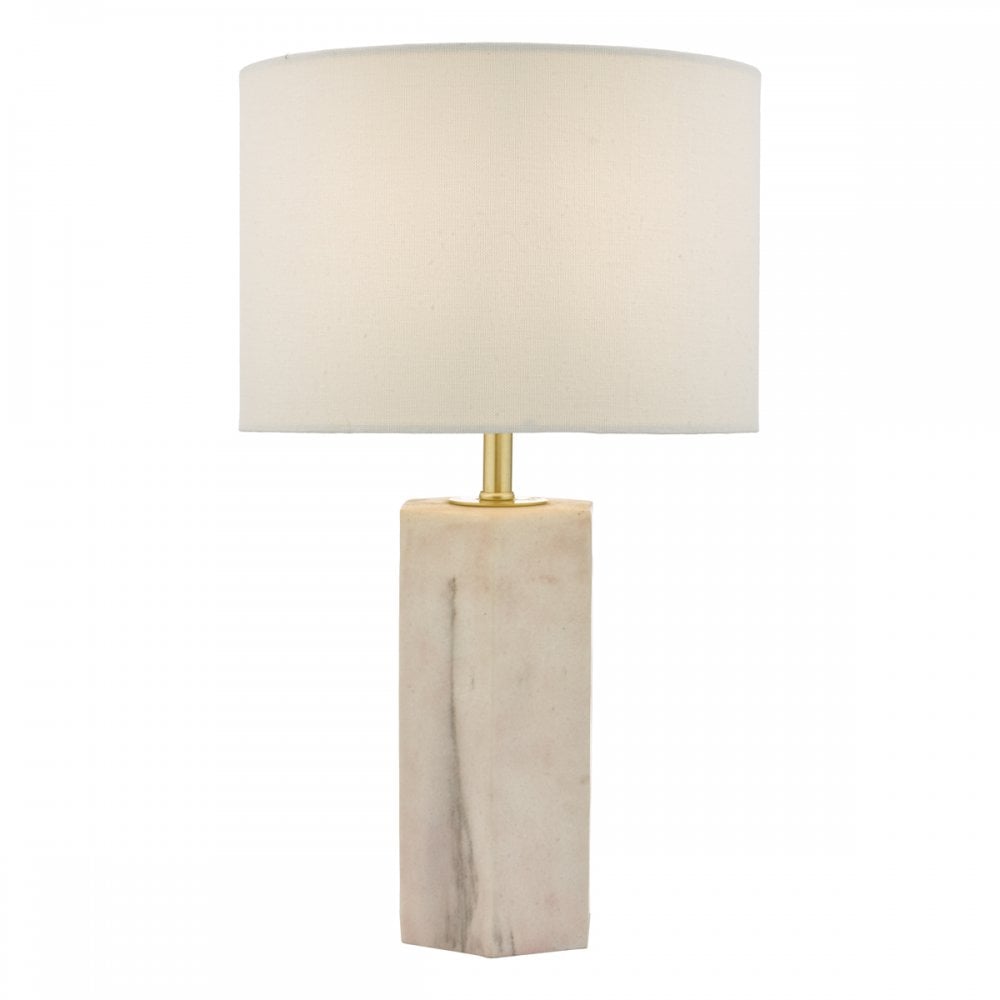
    Dar Lighting Nalani Single Light Table Lamp With Pink Marble Effect Base And Ivory Linen Shade

    Pink also works well when paired with natural materials like wood, white marble, and metals like gold and brass; these varying textures create a modern look.

    Pink Lighting at Castlegate Lights

    Now that you know how to style your pink lights, it’s time to decorate! Whether you’re creating a calming and soothing bedroom with muted pinks and blues or want to create a fun and quirky eye-catching centrepiece with a bold pink chandelier, at Castlegate Lights, we have everything you need to create your dream pink lightscape.

    Shop pink lighting at Castlegate Lights today and add personality and charm to your home!

    Related blogs:

  • How to hang outdoor lights: String lights edition

    How to hang outdoor lights: String lights edition

    Summer evenings are upon us, and if you’re looking for ways to maximise the time you have outside, our garden light selection will give you an ideal burst of inspiration. However, some garden lights can be fiddly; if you’ve not hung them before, you risk getting tangled up in wires.

    Imagine unwinding in the garden after a long day or hosting a summer BBQ in your outdoor space. Our outdoor summer lights can transform these dreams into reality, creating an inviting ambience that will leave your guests in awe. With the help of this guide, you’ll learn how to hang garden lights for a seamless installation and a stunning effect.

    Table of contents:

    What IP rating do I need for outdoor lights?

    Before you purchase your garden lights, you need to consider the IP (Ingress Protection) rating to ensure they are suitable for the environmental conditions of your garden and what you intend to use them for.

    The IP rating system classifies the degree of protection provided by the enclosure of the electrical equipment against solid objects, dust and water. Here is what you should look for when choosing your garden light IP rating.

    The minimum IP rating requirement for outdoor lighting is IP44. This will protect the light against solid objects larger than 1mm and water splashes.

    What IP rating do I need for outdoor lights?

    However, if you live in an area with more severe weather conditions, you can get higher-rated garden lights. For example, IP65 is good for areas exposed to heavy rain or jets of water. You also get complete protection from dust and water jets. These are great for garden lights near the ground.

    IP66-rated garden lights are best for areas exposed to powerful water jets or heavy rainstorms, providing robust protection against dust and water.

    If you want lights that you will be temporarily submerged in water (up to 1 meter for 30 minutes) near swimming pools or fountains, IP67-rated garden lights are best.

    And for lights that you intend to continuously submerge in water, such as ponds or underwater fountains, IP68 offers the highest level of protection.

    The appropriate IP rating depends on the specific conditions of your garden and what you want to use them for. IP44 is sufficient for general outdoor use, but consider higher ratings like IP65, IP66, IP67 and IP68 for more demanding environments.

    Once you have the appropriate garden lights, it’s time to install them to create your dream garden lightscape. Follow our top tips below on how to hang outdoor lights from string to festoon lights on trees, fences and walls for the smoothest installation.

    How to decorate outdoor trees with lights

    How to decorate outdoor trees with lights

    If you have beautiful trees in your garden, decorating them with lights isn’t just for Christmas. Outdoor tree lights can create a cosy summer feel that subtly illuminates your garden and highlights your landscape. Here are our top tips for decorating your trees with garden lights effectively and safely.

    You will need:

    • Outdoor-rated string lights
    • An outdoor-rated extension cord
    • Ladder (if needed)
    • Zip ties or twist ties

    We recommend choosing LED lights as these are the most energy-efficient, long-lasting and cool to touch. Mini strip lights or C7/C9 bulbs are popular for outdoor trees.

    String lights wrapped around a tree

    Steps:

    1. Plan your design. Decide where you want to wrap your strip lights: the trunk, the branches or both. Make sure you have enough for your plan. Measure the tree’s height and width to determine how many strip lights you need. A good rule of thumb is 100 lights per vertical foot.
    2. Test the lights. Plug in the lights before hanging them to ensure they work.
    3. Start with the trunk. Begin wrapping the lights around the trunk from the base upwards. Secure the lights every few loops with zip or twist ties, ensuring not to tie them too tight to avoid damaging the tree. Use the ladder to reach the higher trunk area.
    4. Move to the branches. Extend the lights along the branches after you’re happy with the trunk. Focus on the main branches for larger trees, then move on to smaller ones if you have enough lights. Take a few steps back occasionally to assess the distribution of lights and make adjustments as necessary for a balanced look.
    5. Use the extension cord. Use an outdoor-rated extension cord to connect the lights to a power source. Ensure the connection is secure and elevated off the ground to avoid water contact.
    6. Secure the end. Once you’ve reached the end of the light strip, secure it with a zip or twist tie.
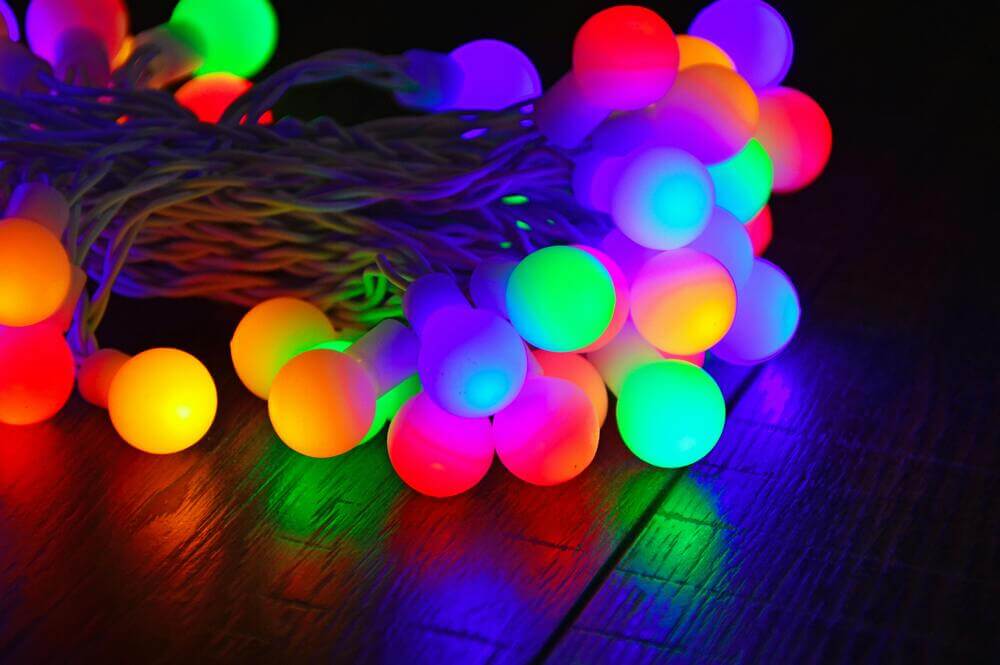
    Colourful string lights

    Creative ideas:

    • Add other decorations to your illuminated tree, like ribbons, ornaments or themed embellishments for a magical effect or to complement a party theme.
    • Use different colours to create different lighting effects or for different seasons.
    • Choose string lights with twinkle effects or a flash setting for added sparkle. Combine with other lights, like hanging solar lanterns on the branches, to enhance your lightscape.
    How to hang outdoor string lights

    How to hang outdoor string lights

    If you don’t have any trees in your garden, you can still use string lights to create a gorgeous and welcoming lightscape. Here are our top tips on hanging outdoor string lights in your garden.

    You will need:

    • Outdoor string lights
    • An outdoor extension cord
    • Hooks, wall anchors or nails for securing the lights
    • Zip ties, twist ties or clips for additional securing
    • Ladder if necessary
    • Measuring tape
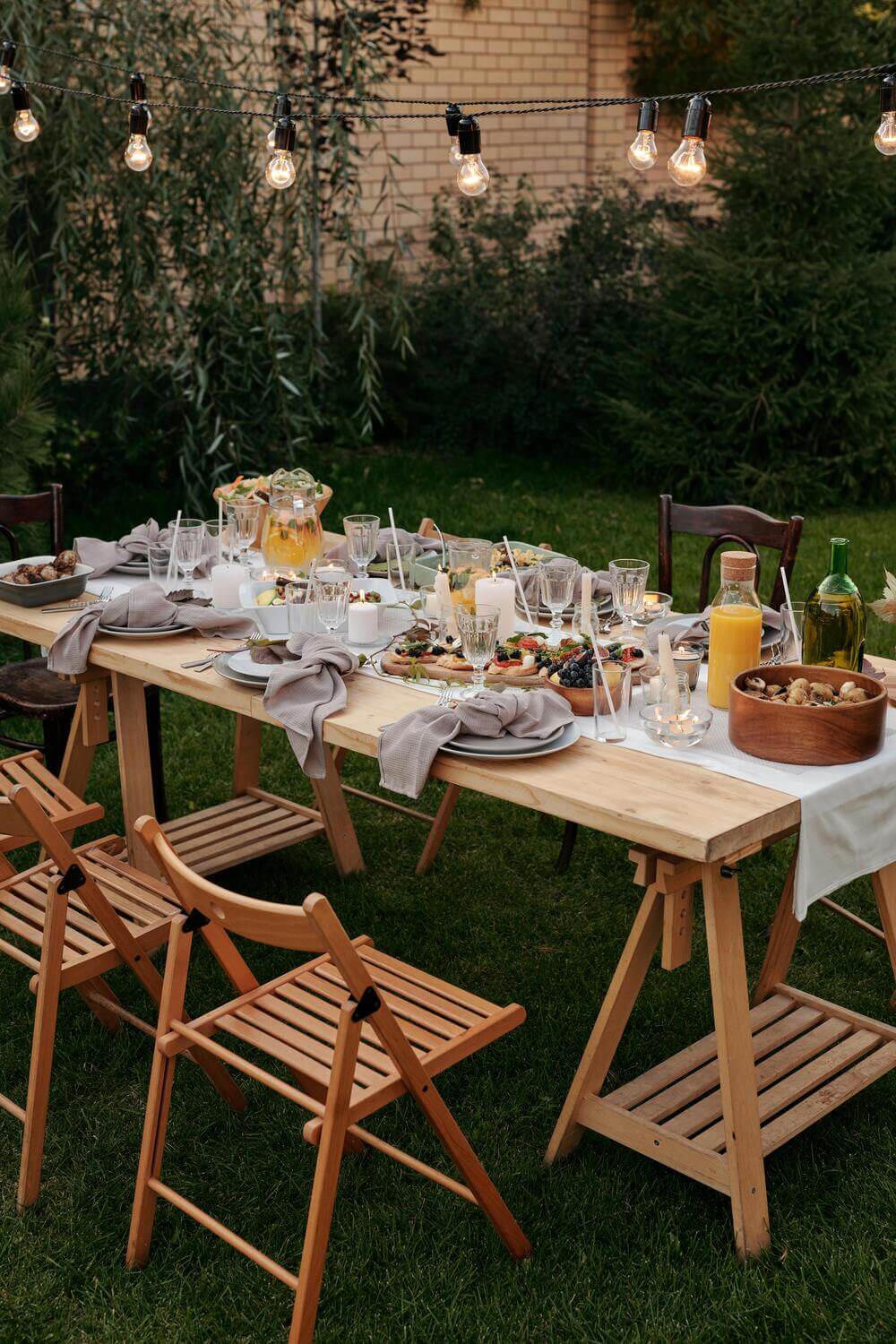
    String lights on a patio awning.

    Steps:

    1. Plan your layout: First, decide where you want your string lights to hang. There are multiple options, for example, along your fence, a canopy, or between trees or plants. Do you want them in straight lines, zigzags, V-pattern or canopy style? Every garden is different, so this is your opportunity to get creative.
    2. Measuring. Once you’ve decided, measure the area to determine how many strip lights you need.
    3. Test your lights. Always test your lights before you set them up to ensure they work and avoid disappointment.
    4. Install anchor points. Identify where you will attach the lights, for example, walls, trees, poles or fence posts. Install the hooks, wall anchors or nails at these points, ensuring they are strong enough to hold the weight of the lights.
    5. String the lights. Begin at the power source and work around so you don’t run out of lights before reaching the power outlet. Attach the lights to the hooks or anchors. Use zip or twist ties to secure the lights for added stability.
    6. Adjust and secure. Adjust the lights so they are evenly spaced. Secure loose sections with additional ties or clips to prevent sagging.
    7. Connect the power. Use your outdoor-rated extension cord to connect the lights to your power source and ensure it is elevated off the ground to avoid water contact.

    Creative hanging light ideas:

    You can hang string lights in your garden in many ways to create a cosy, inviting space. Here are some ways you can transform your garden with string lights.

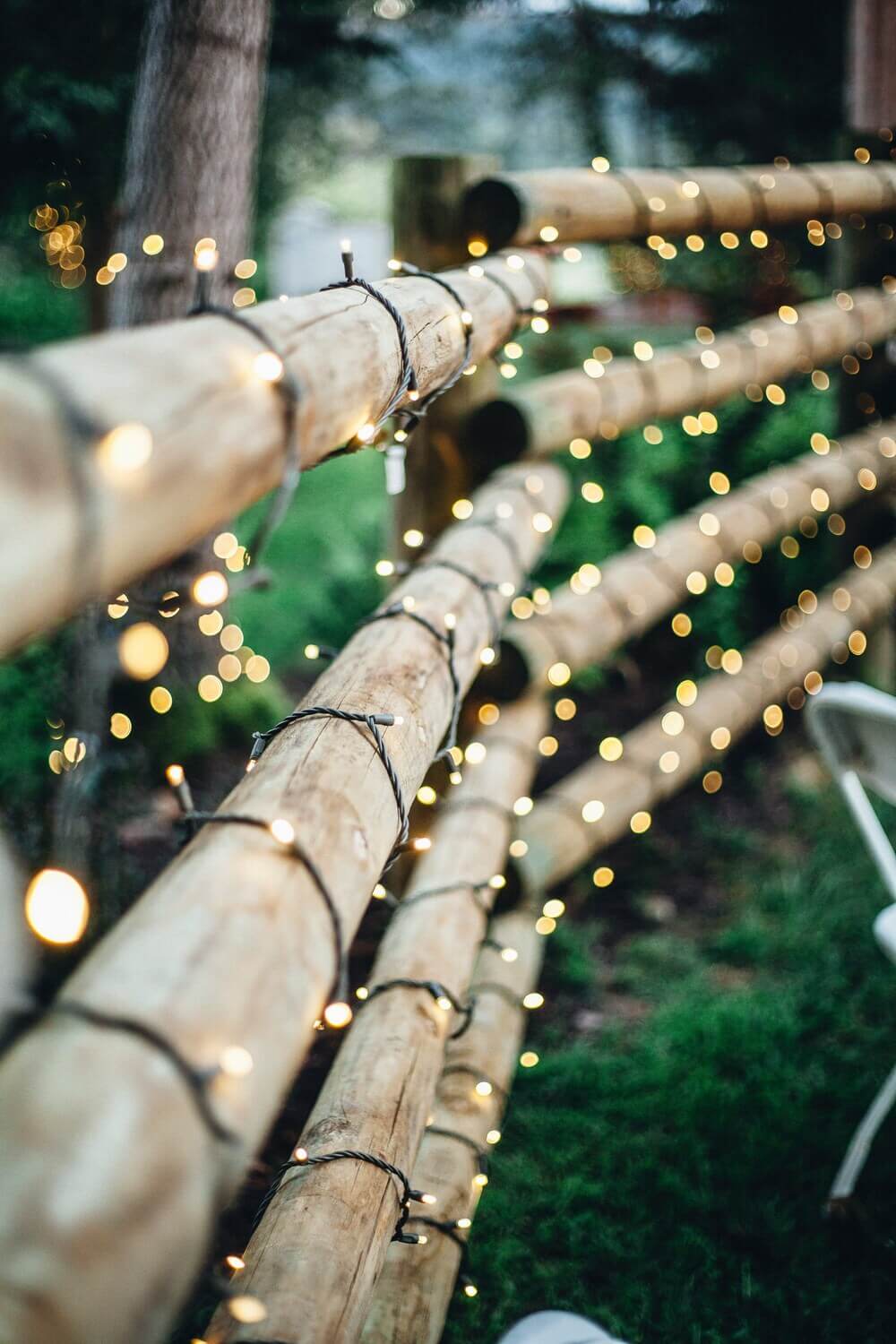
    1. Suspend lights along your fence. Attach lights along the top of your fence for a cosy glow around your garden perimeter.
    2. Wrap around tree branches. Read the section above to discover how to make a whimsical effect using string lights on your trees.
    3. Suspend lights on your patio cover. Hang string lights from a pergola or patio cover and get overhead lighting to brighten any evening in your garden.

    Use DIY poles. Create DYI poles using sturdy wood or metal to suspend your lights. Set the poles in cement-filled buckets for portable lighting poles. Alternatively, you can buy shepherd crooks to hang your garden lights from.

    How to attach outdoor lights to brick

    How to attach outdoor lights to brick

    If you don’t have many outdoor anchor points in your garden, you can use your house’s exterior wall as an anchor point. However, it can create a more permanent solution to hanging string lights by drilling into the brick, so bear this in mind.

    Attaching outdoor lights to brick can be challenging. But with the right tools and technique, you can securely suspend your lights without damaging the brick.

    You will need:

    • Outdoor string lights or any other outdoor lights you can hang
    • Masonry screws or anchors
    • Drill with a masonry bit
    • Hammer drill
    • Measuring tape
    • Hooks or clips designed for brick
    • Screwdriver or drill driver
    • Marker or pencil
    • Outdoor extension cord
    • Ladder if needed
    String lights attached to brick

    Steps:

    1. Plan your layout. If you want to use your wall as an anchor point, plan where you want to attach the lights.
    2. Mark the attachment points. Use a marker or pencil to make where you will attach the hook or clip.
    3. Drill holes. Attach the masonry bit to your drill. For hard bricks, we recommend using a hammer drill. Drill the marked holes. The depth of the holes should match the length of your masonry screws or anchors.
    4. Insert anchors (if using). If you’re using wall anchors, insert them into the drilled holes and gently tap them with a hammer to ensure they are flush with the brick surface.
    5. Install hooks and clips. Screw in the hooks or clips using masonry screws or into the anchors. Ensure they are securely fastened.
    6. Hang your lights. Start at the power source and hang the lights on your installed hooks or clips. Work around the garden incorporating your brick hooks, ensuring the lights are evenly spaced. If you need extra security, use zip ties or additional clips.
    7. Connect the power. Use your outdoor-rated extension cord to connect the lights to the power source. Elevate any connections off the ground to avoid contact with water.
    8. Test the lights. Plug in the lights to ensure they work, and make adjustments as necessary to create the look you want.

    Alternatively, you can use adhesive-backed hooks or clips for lightweight string lights for outdoor use or heavy-duty ones if you want a more temporary set-up. Ensure that the surface is clean and dry before you apply them.

    You can also use brick clips that clip onto the brick without drilling a hole. They work well for bricks that protrude slightly from the mortar.

    For heavier lights or permanent installation, use masonry screws and anchors.

    Top tips for hanging outdoor lights

    Top tips for hanging outdoor lights

    • Safety should be your primary concern when hanging lights high up in trees or on fences. Always use a sturdy ladder or have someone assist you if possible. For very high trees, consider using a tree harness.
    • Avoid overloading the extension cord. Do not connect more than three strings of lights end-to-end unless specified by the manufacturer.
    • Ensure all your lights, extension cords, and connections are weather-resistant and rated for outdoor use.
    • Use LED lights to save energy costs and for long-erlasting illumination.

    String lights at Castlegate Lights

    Now that you know how to create the perfect ambience in your garden this summer using string lights. Whether you prefer fairy lights or festoons, create the perfect backdrop to relax or host guests in your garden this summer.

    Shop our range of string lights at Castelgate Lights for the perfect way to enhance your garden and create an enchanting outdoor space this summer.

    Related blogs:

  • Everything you need to know about solar lights

    Everything you need to know about solar lights

    If you’re thinking about illuminating your garden with solar lights, you’re in the right place. Solar lights can offer an eco-friendly and cost-effective way to illuminate multiple sections of your garden, from practical path lights to guide you to your door safely to decorative lanterns to create a cosy and inviting seating area for relaxing or entertaining guests.

    However, if you’re still unsure whether to choose solar lights rather than regular wired lighting, this blog is for you. In this guide, we’ll explain how solar lights work, their advantages and disadvantages, how long they last and how to maintain them to get the best light out of them.

    Table of contents:

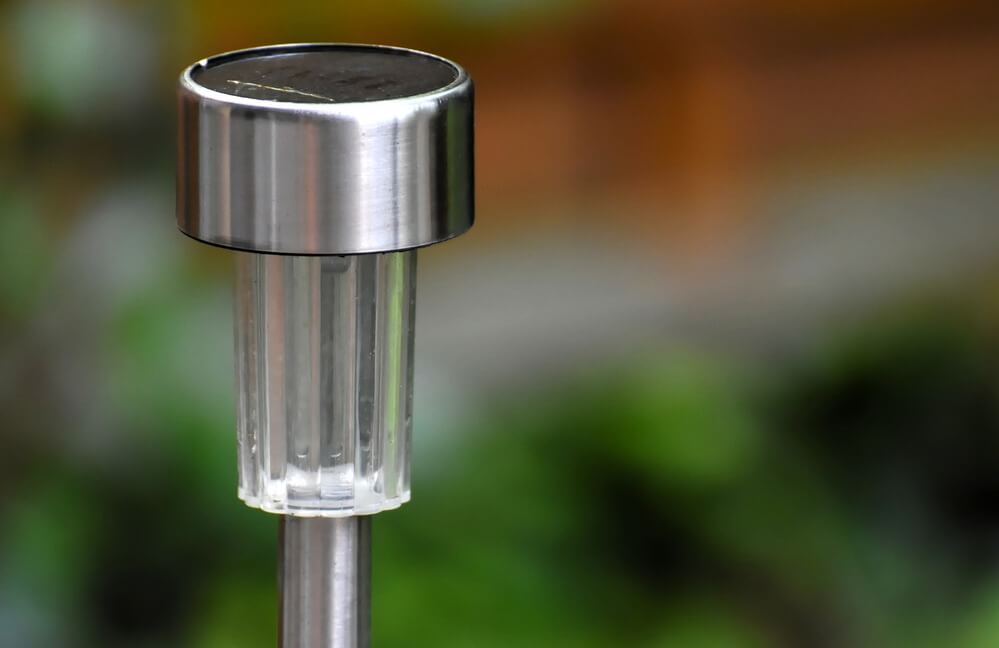
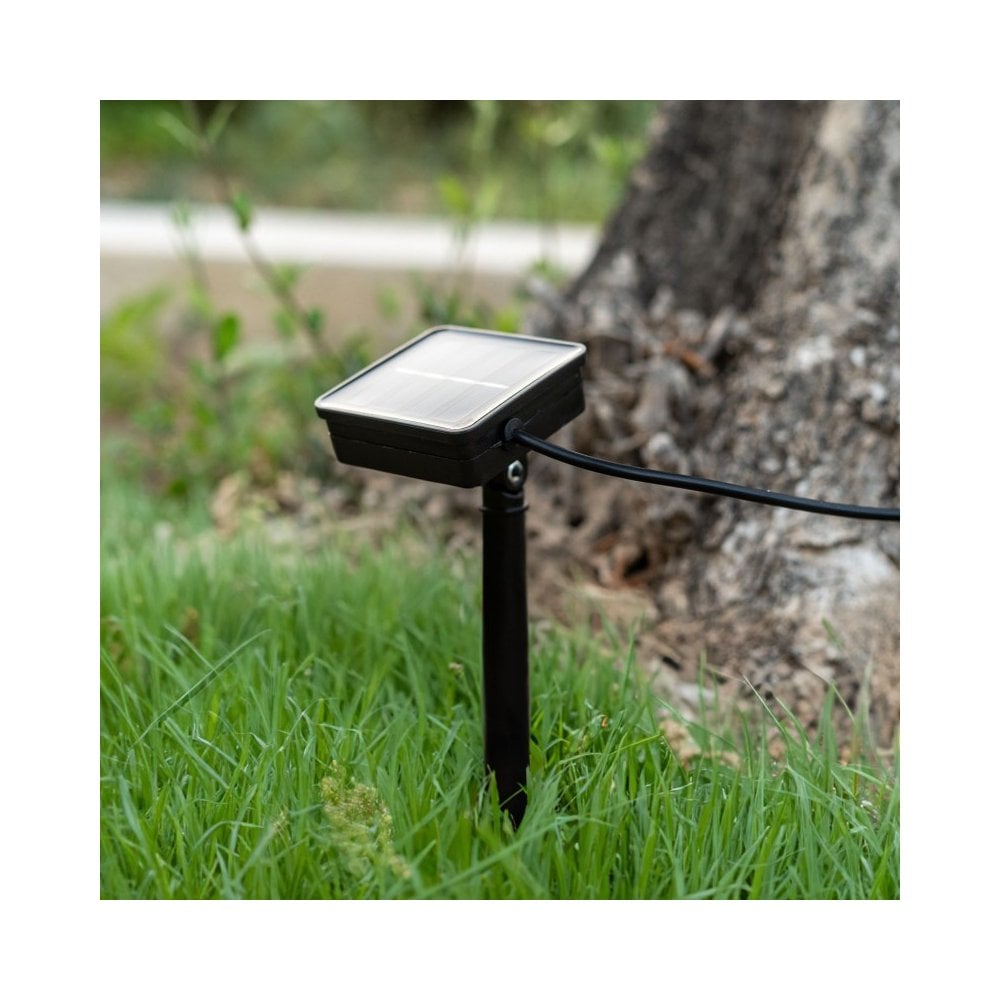
    Outdoor solar light panels stuck into the grass with a spike absorbing sunlight.
    Suri 6.5M Kodos Solar LED String Lights With 10 Lights

    How do garden solar lights work?

    Garden solar lights function by harnessing the power of the sun. Solar panels absorb sunlight, which is then converted into energy and stored in rechargeable batteries. When the sun sets, the stored energy powers the light-emitting diodes (LEDs), providing a sustainable way to brighten your outdoor space.

    Components that make up a garden solar light:

    • Solar panel – converts sunlight into electrical energy.
    • Rechargeable battery – stores the electrical energy generated by the solar panel.
    • LED light – provides illumination using the stored electrical energy.

    Photoreceptor (light sensor) – detects the absence of sunlight and turns the solar light on at dusk and off at dawn.

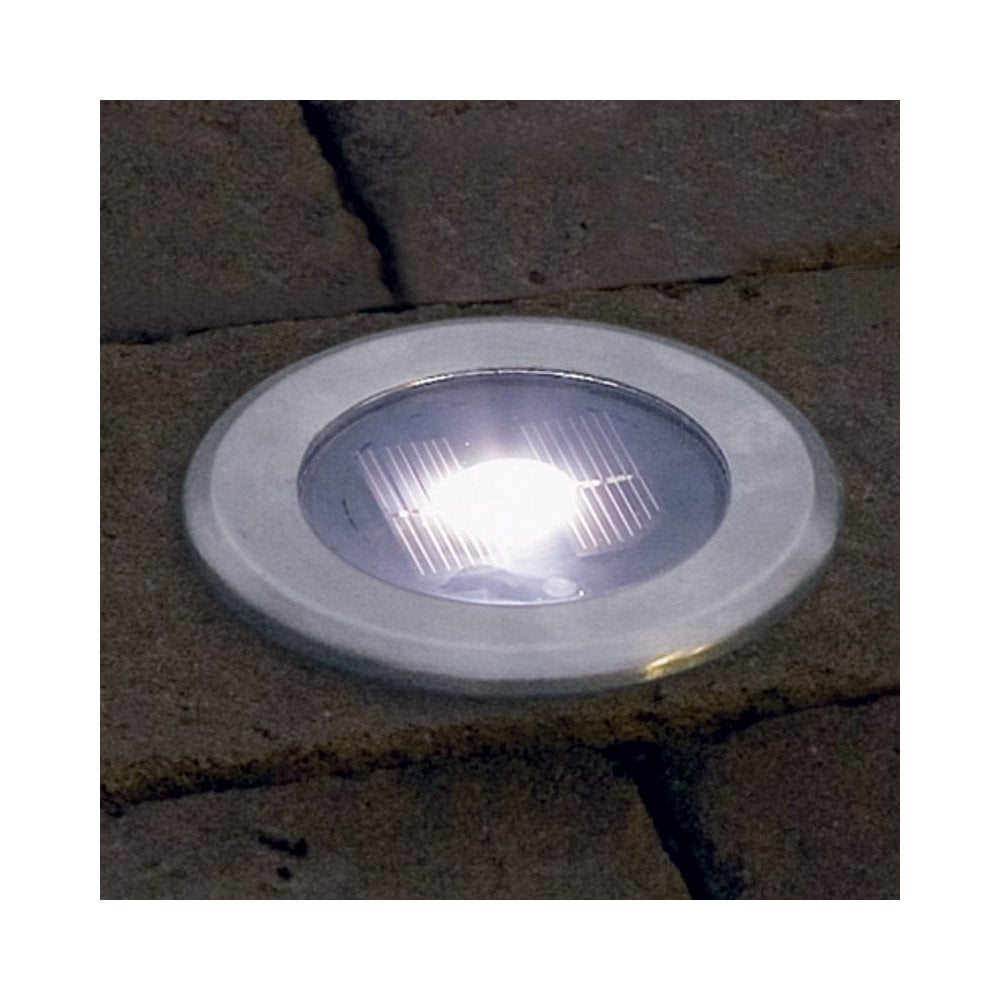
    Ground walkover solar light.
    Konstsmide Solar LED Ground Light In Stainless Steel Finish

    Working principals of solar lights

    This section provides a more detailed explanation of how solar garden lights work.

    Energy conversion

    During daylight hours, the solar panel absorbs sunlight and converts it into electrical energy through the photovoltaic effect. This energy is used to charge the rechargeable battery.

    Energy storage

    The rechargeable battery stores the electrical energy generated by the solar panel throughout the day. Nickel-metal hydride (NiMH) or lithium-ion (Li-ion) batteries are commonly used for their efficiency and longevity.

    Light activation

    As night falls, the photoreceptor detects the decreasing light levels. It triggers the LED light to turn on and use the stored electricity from the battery.

    Illumination

    LEDs are used because they are highly energy efficient and have a long lifespan. The LED light will remain on throughout the night unless the light has an off switch.

    Cycle repeats

    When the sun rises, the photoreceptor detects the light increase and automatically turns off the LED light. The solar panel begins generating and storing energy again, thus repeating the cycle.

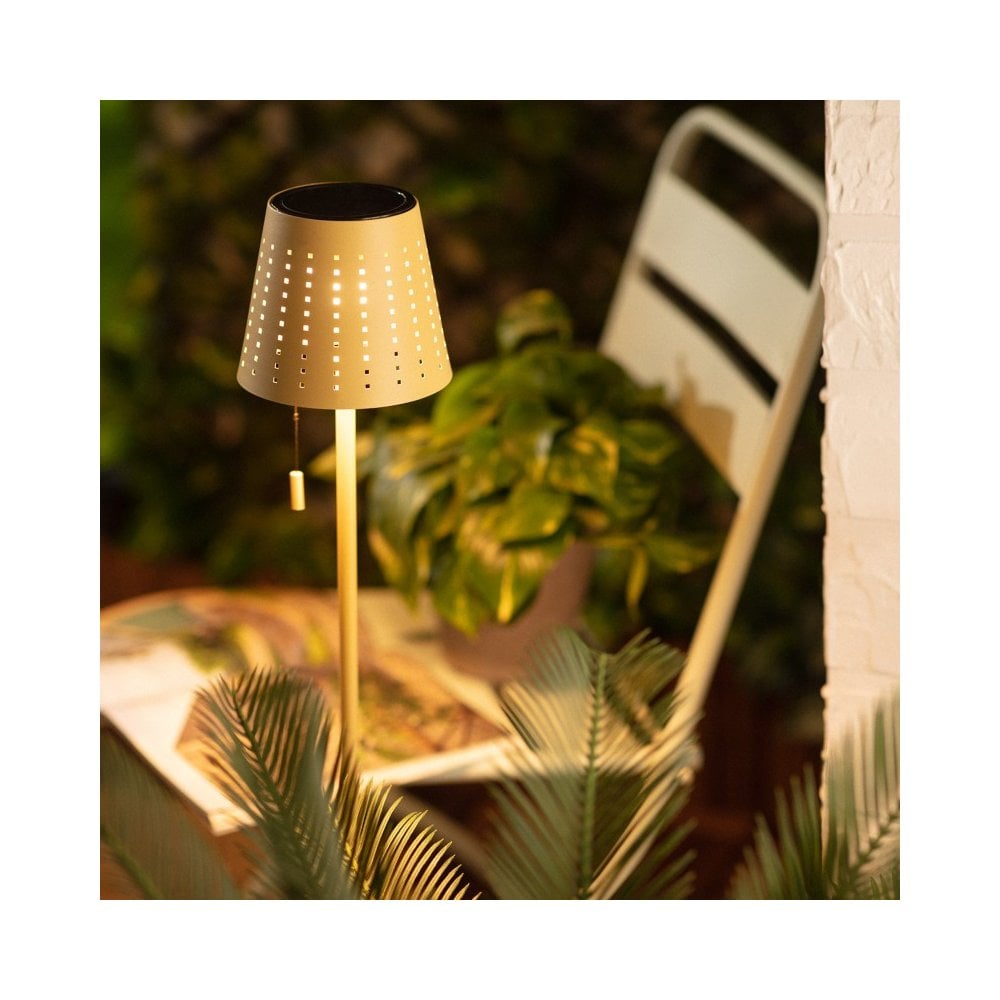
    Outdoor floor solar lamp.
    Suri Banate Solar LED Outdoor Floor Lamp In Yellow Finish

    In addition, solar garden lights are designed to withstand outdoor conditions, including rain, snow and heat. Consider the IP rating, which will indicate how protected it is against water and dirt based on the conditions of where you live and where you want to place your solar lights.

    Solar lights come in various designs and styles, from simple path lights to decorative lanterns and string lights to suit your garden and needs.

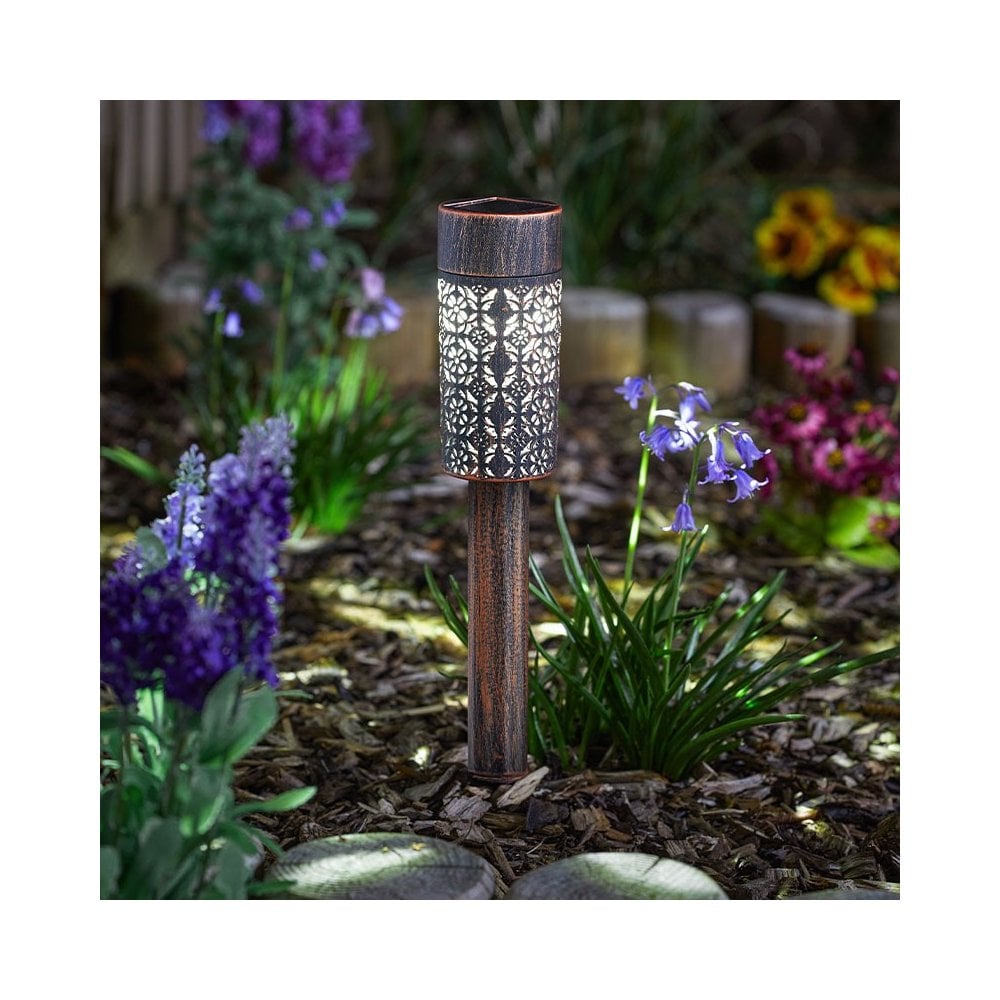
    Outdoor solar spike path light in a flower bed.
    Suri Damasque Pack of 4 Solar LED Stake Light In Bronze Finish

    Advantages and disadvantages of solar lights

    If you’re considering purchasing solar lights for your garden, weigh the advantages and disadvantages first.

    Advantages

    • Eco-friendly: Solar garden lights are eco-friendly. These lights won’t increase your carbon footprint as they use renewable solar energy.
    • Lower energy costs: They also won’t add to your energy costs. Once installed, they will use the sun’s energy to illuminate rather than your electricity, making them a cost-efficient garden light solution.
    • Easy to install: With no wiring required, you can install and relocate them easily.

    Disadvantages

    • Sun dependent: Solar lights are dependent on the sun. Their performance can be affected by the amount of sunlight they receive, meaning their light can vary depending on the weather conditions and seasons.

    Rechargeable batteries: Additionally, their rechargeable batteries have a finite lifespan, which you may have to replace after a few years.

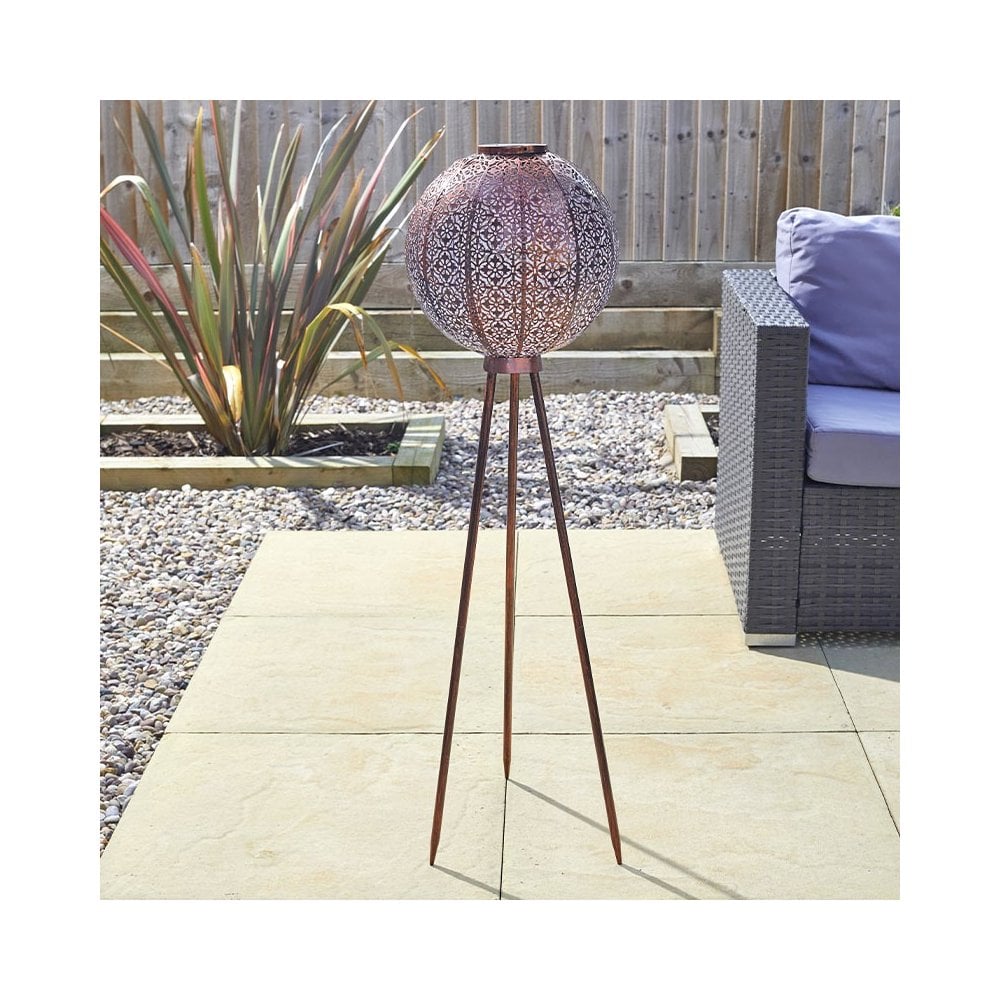
    Outdoor solar floor lamp on a patio.
    Suri Damasque Solar LED Outdoor Tripod Floor Lamp In Bronze Finish

    Do solar lights need direct sunlight?

    Solar lights don’t necessarily need direct sunlight, but you may get reduced light without it.

    With direct sunlight, solar lights get the maximum energy from their solar panels. This leads to the most efficient battery charge, ensuring the light stays on longer and shines more brightly at night. Also, solar lights placed in direct sunlight will charge more quickly compared to those in shaded areas.

    Solar lights can still charge in indirect sunlight or cloudy conditions, but the charging process is slower and less efficient. Solar lights under trees or next to buildings will receive less light, impacting their performance. It’s best to place them where they will receive the most sun throughout the day.

    Tips for maximising your solar light performance

    • Position your solar lights where they will receive the most direct sunlight throughout the day. Avoid shaded areas.
    • Adjust the angle of the solar panel to face the sun directly. Some solar lights come with adjustable panels for this purpose.
    • Keep your solar panels clean and free of debris, dust or snow to ensure they can absorb as much sunlight as possible.
    • Periodically check and replace the battery if it’s not holding charge.
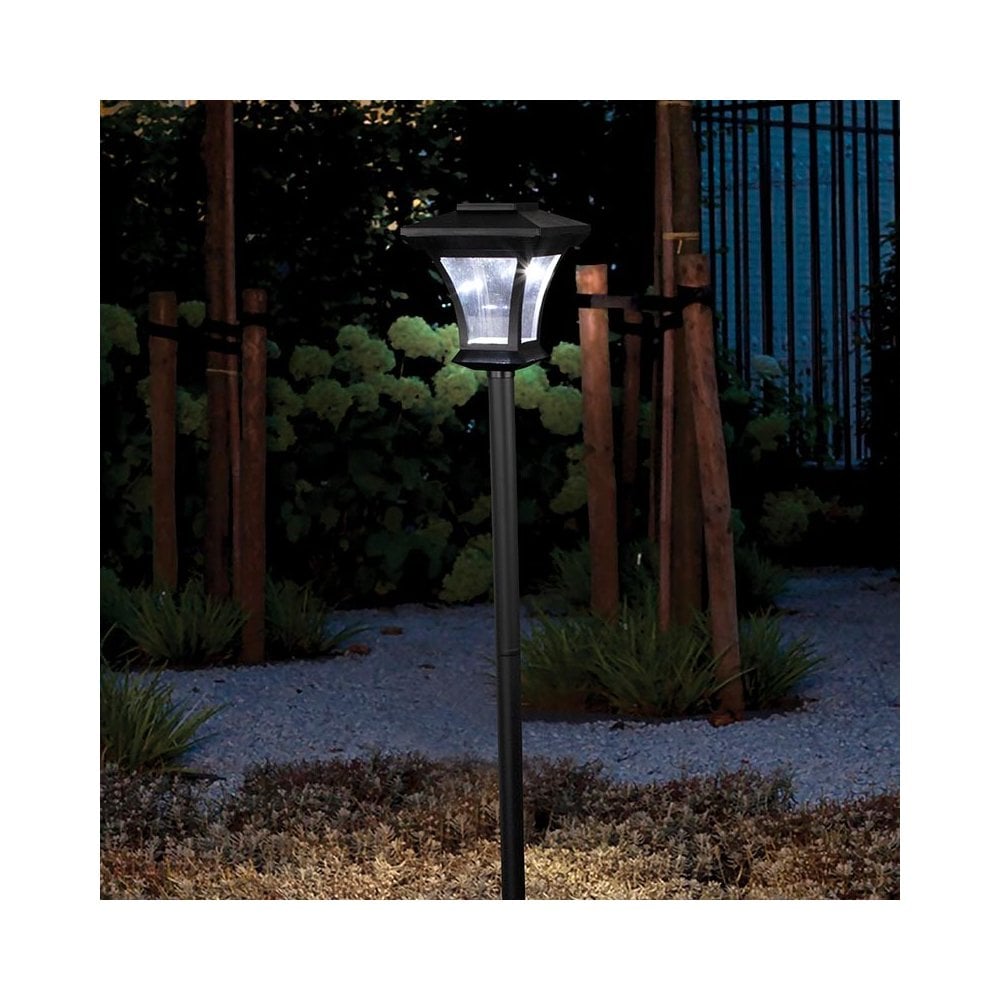
    Outdoor solar post light.
    Suri Fawn Solar LED Lamp Post In Black Finish

    Do solar lights work in winter?

    Yes! Solar lights work in winter, but the season can affect their performance. Here are the main factors during winter that affect solar light performance and tips to help them function more effectively.

    Reduced daylight hours

    Winter days are shorter, meaning fewer hours of sunlight are available to charge the solar panels. Plus, longer nights require the solar lights to stay on for longer, which can lead to the battery never being fully charged.

    Lower sun angle

    The sun’s position is lower in the sky during winter, which can reduce the intensity of sunlight reaching the solar panels and reduce the battery charging rate.

    Weather conditions

    During winter, there is typically more cloud cover, which reduces the amount of sunlight, leading to less efficient charging. Snow and ice build-up can also cover the solar panels, blocking the sunlight from getting to them and preventing the battery from charging.

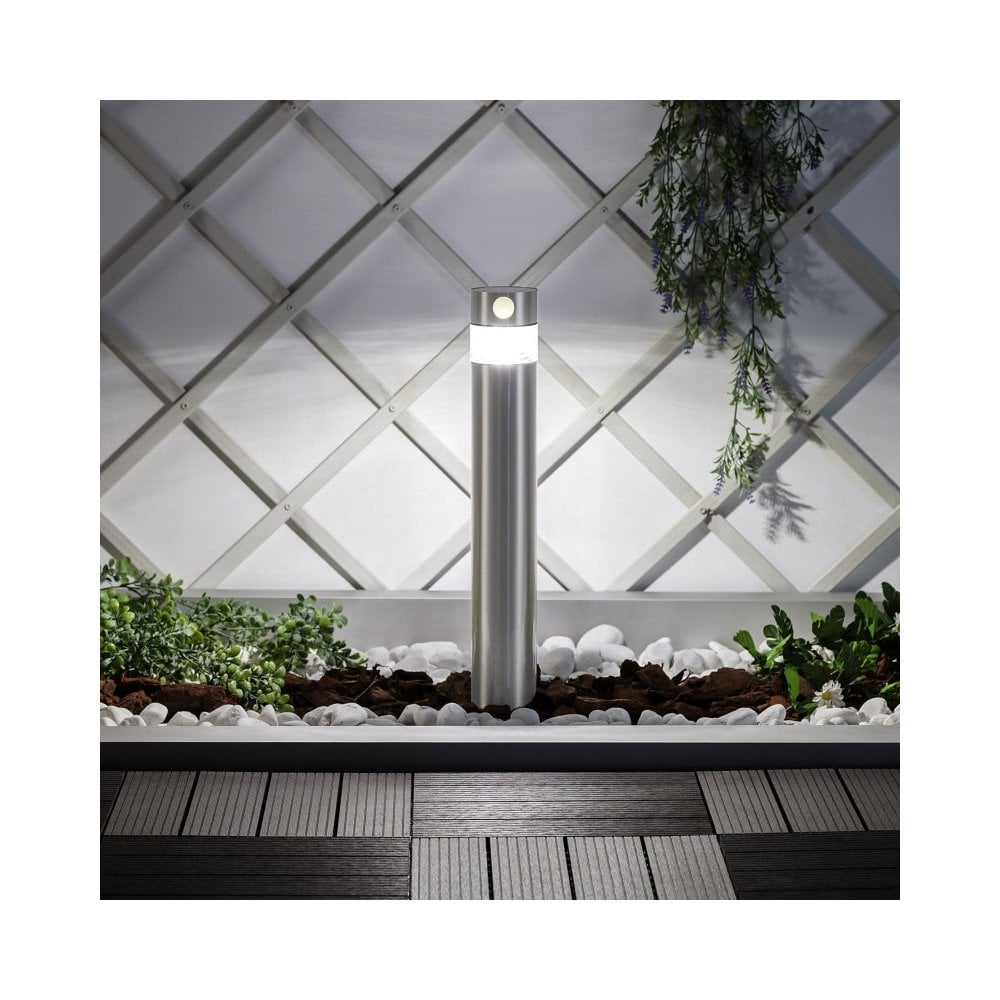
    Outdoor solar pillar light illuminating a path.
    Suri Inti Solar LED Post Light with PIR Sensor In Stainless Steel Finish

    Tips to help your solar light work better in winter

    There are ways you can help to keep your solar light working through wither. Simply follow these tips:

    1. Optimal placement. Maximise sun exposure by placing the solar light where it will receive the most direct sunlight, avoid shade and angle the solar panel towards the sun. You can also ensure the area around the solar lights is free of obstacles that might cast a shadow, like buildings or trees.
    2. Regular maintenance. Regularly clean your solar panels to remove snow, ice, dirt and debris to prevent them from blocking the sunlight.
    3. Battery care. Check the rechargeable batteries and replace them if they’re not holding charge well. If you notice the solar lights aren’t performing well in harsh conditions, consider storing them during the worst part of the winter.
    4. Higher capacity batteries. Consider using higher-capacity batteries that can store more energy, giving you longer illumination even with reduced charging times.

    Choose efficient models. Not all solar lights are equal. If you want them to work during winter, choose solar lights that have better efficiency and work better during low light conditions.

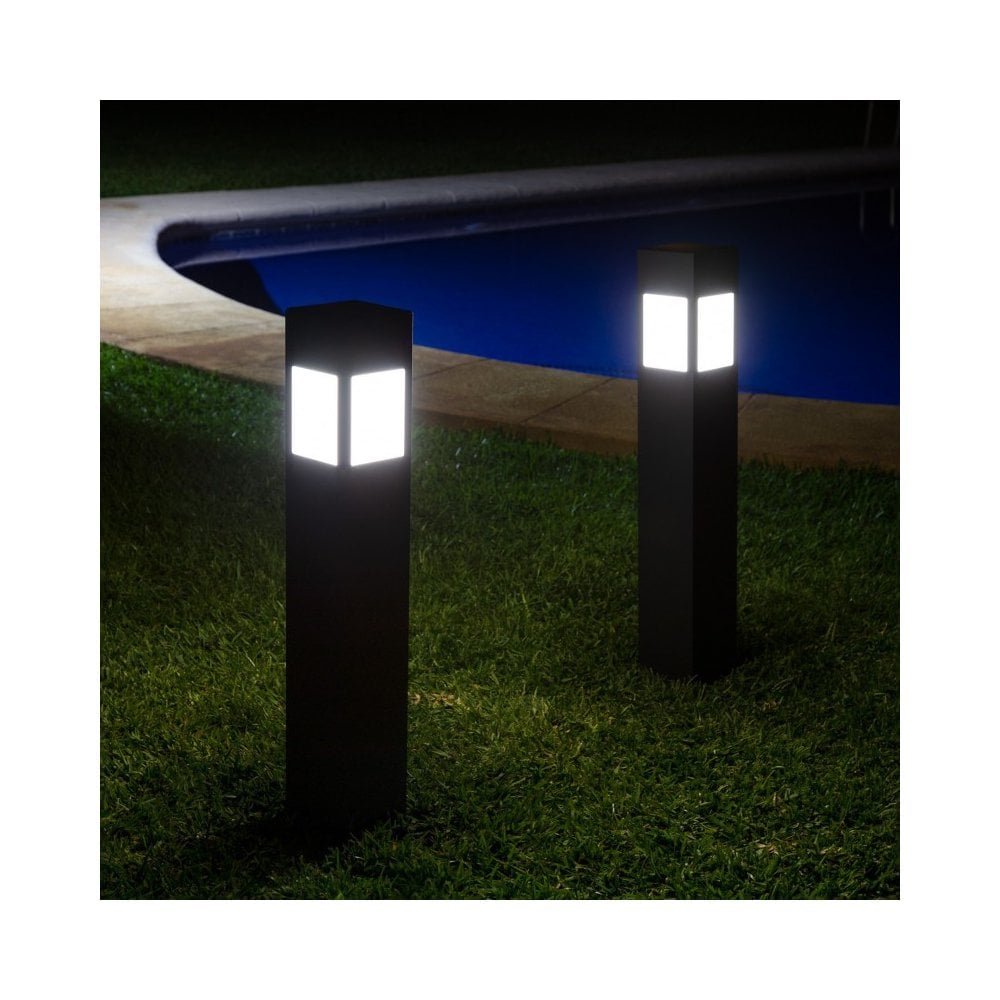
    Outdoor square matte black solar pillar lights.
    Suri Kenya 80 Cool White Solar LED Post Light with Motion Sensor In Black Finish

    How long do solar lights last?

    The lifespan of solar lights can depend on several factors, including the quality of the light, environmental conditions and how well you maintain them. Here is a rough breakdown of how long different components last in a solar garden light.

    Solar panels

    Solar panels on solar garden lights typically last between 10 and 20 years. Over time, they will degrade, and their efficiency in converting sunlight to energy will decrease.

    Rechargeable batteries

    Most rechargeable batteries in solar lights will last between 1 to 3 years. Their lifespan can be affected by the number of charge cycles, exposure to extreme temperatures, and overall usage patterns.

    LED bulbs

    LEDs are durable and can last between 10,000 and 50,000 hours (around 10-15 years of typical use). LEDs are highly efficient and do not consume much power, contributing to the overall longevity of the solar light system.

    Housing, wiring and sensors

    The housing, wiring and sensors usually last as long as the solar light is made from durable materials and properly maintained.

    Overall, solar lights have varying lifespans depending on their components. A high-quality solar light can last between 5 to 10 years. Regular maintenance like cleaning, replacing batteries and protecting lights from harsh weather can extend their lifespan.

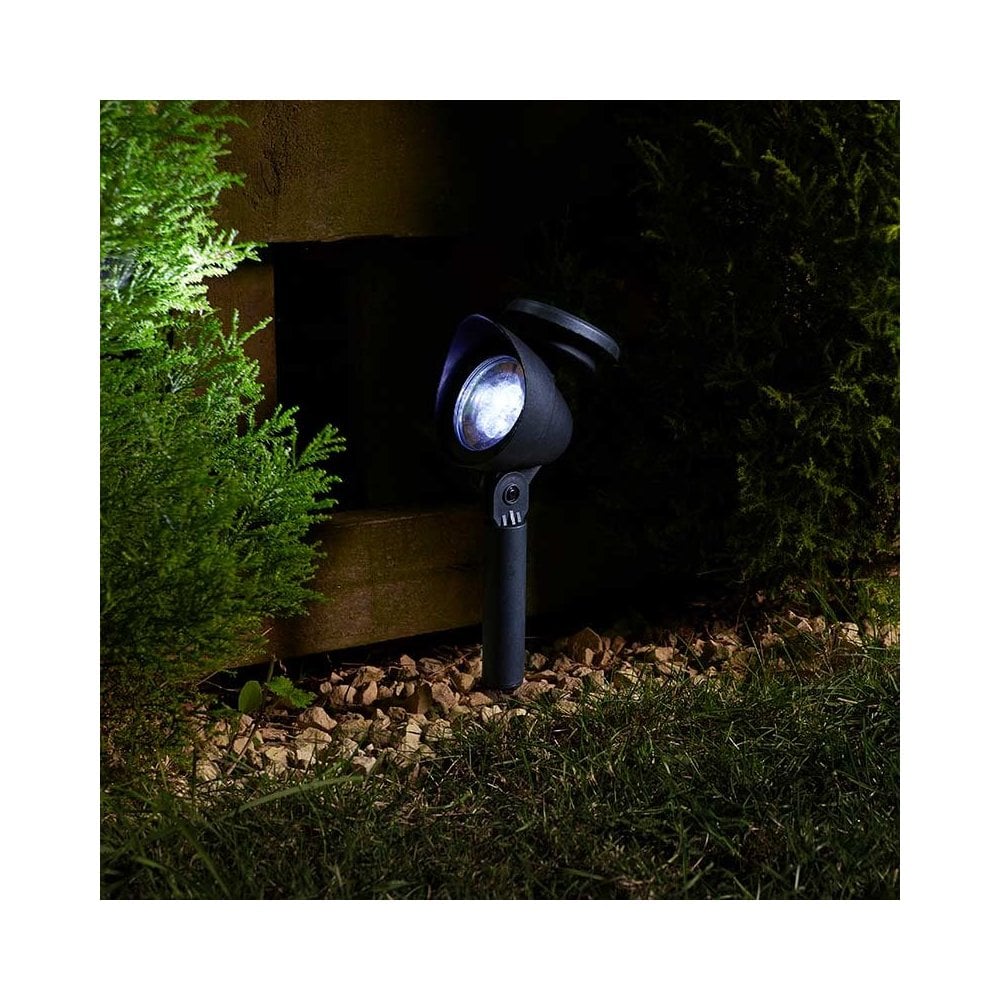
    Outdoor solar spike light in garden bed.
    Suri Prima Set of 4 Solar Powered Integrated LED Spotlights In Black Finish

    What influences the lifespan of solar lights?

    Several factors influence the lifespan of solar lights; here are the main ones:

    • Quality – higher quality solar lights with better materials and construction will last longer. Look at price and brand reputation to determine quality.
    • Environment – solar lights exposed to harsh weather such as extreme heat, cold or moisture will have a shorter lifespan. Placing them in a location that maximises sunlight while minimising potential damage, e.g. falling branches or flooding, will prolong their life.
    • Usage – Constant use without letting the batteries adequatly charge can strain the batteries and reduce lifespan.
    • Storage – Storing them during the off-season or extreme weather conditions can help extend their life, like intense heat or winter storms.
    • Regular cleaning – Regularly cleaning your solar lights to keep them free of dust, debris, and snow can extend their life.
    • Battery replacement – Replace the batteries when you notice a drop in performance will ensure you can keep using your solar lights for longer.

    Inspection – Periodically check for damage to housing, wiring and other componants to see if they need repairing or replacing.

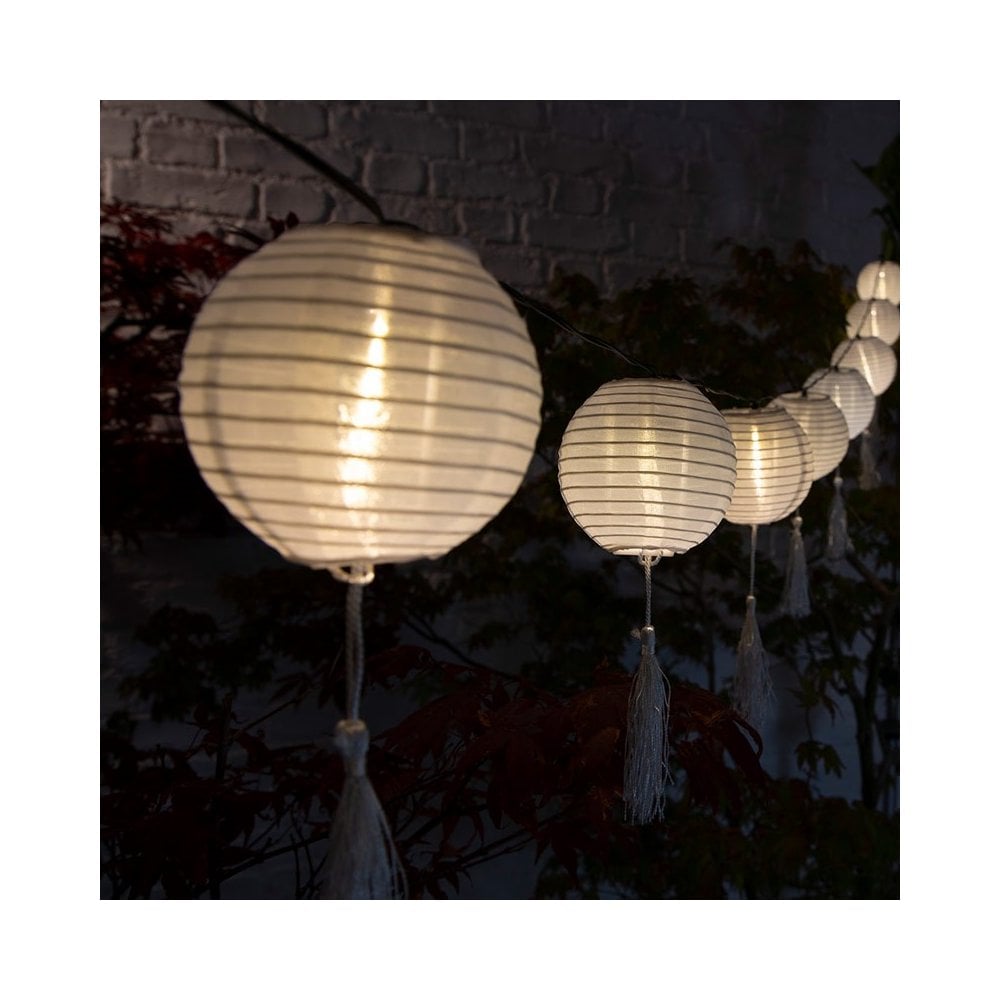
    Outdoor solar string lights in circular lantern style.
    Suri 1.8M Chinese Lantern Set of 8 Solar LED String Lights

    Solar lights at Castlegate Lights

    Now you know everything there is to know about solar lights, you can make an informed decision about whether they are the best lighting for you and your garden.

    If solar lights are the right outdoor lights for you, look at our extensive collection of solar lights at Castlegate Lights to find the best style and design to illuminate your outdoor space.

    Related blogs:

  • How to clean lamp shades

    How to clean lamp shades

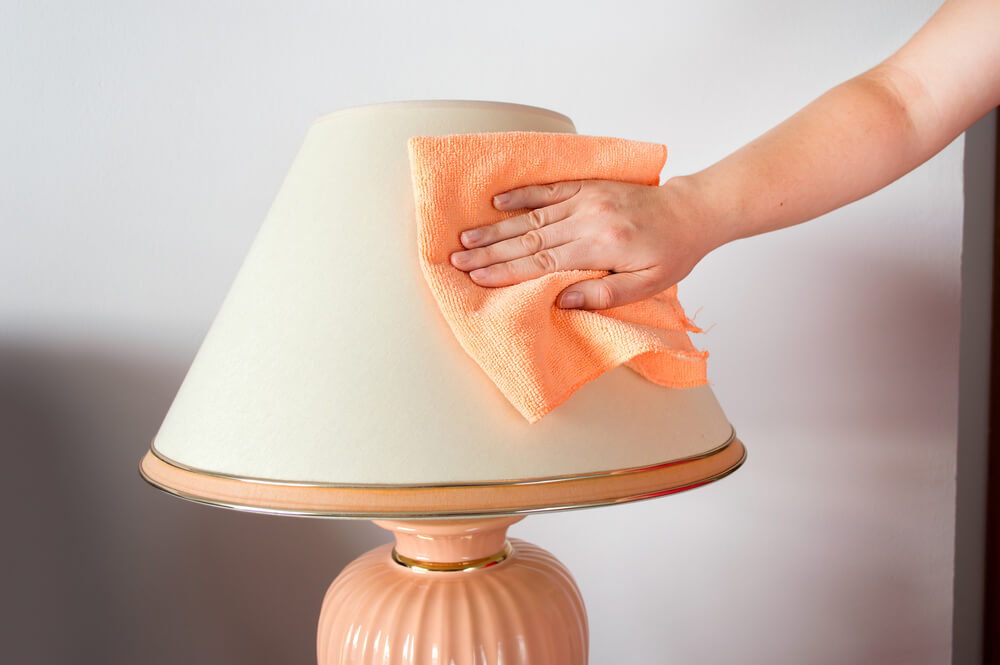
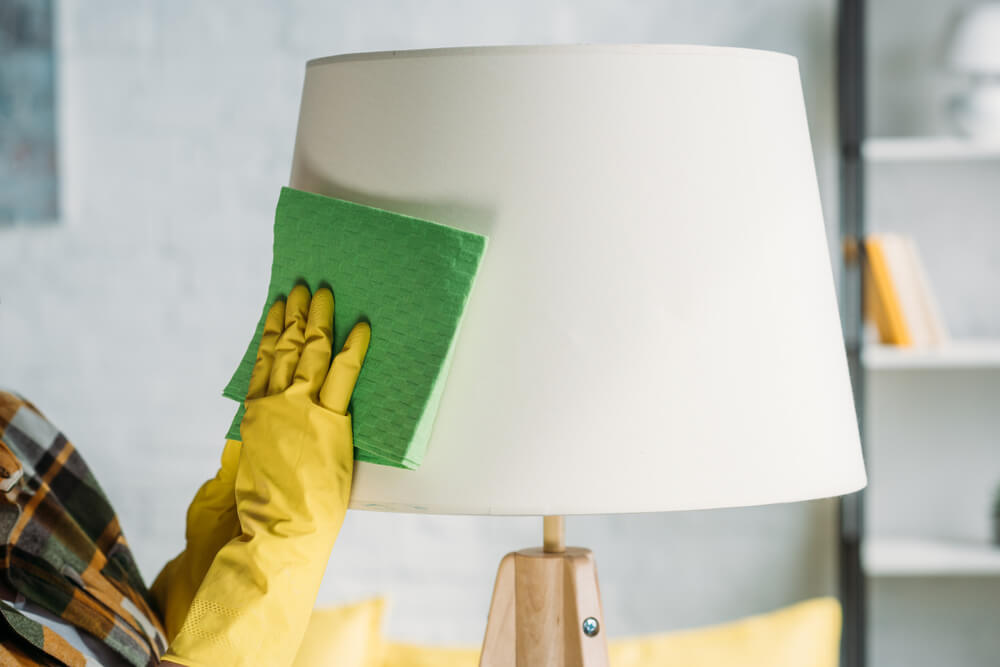
    Lamp shades are one of those household features that, if you don’t clean regularly, can start to build up a collection of unsightly dust and dirt. Keeping your shades spick and span will not only maintain a pristine appearance but will also prolong its life. Now is the perfect time to grab your dusting cloths and add your lamp shades to your spring cleaning list!

    Different lamp shade materials and finishes require particular cleaning methods. So whether you have modern glass or vintage fabric shades in your home, follow our easy step-by-step guides below on how to clean lamp shades and freshen them up to enhance their illumination and ambience in every room.

    Table of contents:

    How to clean glass lamp shades

    How to clean glass lamp shades

    If you have glass lamp shades, the main aim is to remove dust and grime without leaving streaks or causing damage. Follow this easy-to-follow guide to cleaning your glass lampshades to leave them sparkling!

    Materials you will need:

    • Microfibre or soft, lint-free cloths
    • Mild dish soap
    • Warm water
    • Glass cleaner or a mixture of vinegar and water
    • bucket or basin
    • Compressed air canister (optional for intricate designs)
    • soft-bristled brush (optional)

    Steps:

    1. Turn off your lamp: Before you start, unplug your lamp and let the light bulb and shade cool before touching them.
    2. Remove the shade: Carefully remove the glass shade from the base. 
    3. Remove dust: Use a microfibre or soft lint-free cloth to remove dust from the glass shade surface gently. Use a compressed air canister to remove dust and dirt from had-to-reach places on intricate designs. 
    4. Prepare cleaning solution: Fill a bucket or basin with warm soapy water. Alternatively, you can create a solution of equal parts water and white vinegar for a streak-free finish. 
    5. Wash your glass shade: Submerge the glass shade in soapy water and gently clean the surface with a soft cloth or sponge. For stubborn grease or grime, use a soft-bristled brush with gentle pressure. 
    6. Rise with clean water: When clean, rinse the glass shade thoroughly with clean, warm water to remove soap or vinegar residue.
    7. Dry your glass shade: Use a dry microfibre or lint-free cloth to dry the shade carefully or allow it to air dry before reattaching it to your lamp.
    8. Polishing: Once your glass shade is dry, you may see remaining water streaks or fingerprints. Gently wipe the shade with a glass cleaner or a water-vinegar mixture with a clean cloth. Buff with a dry microfibre cloth to achieve a sparkling streak-free finish. 

    Top tips for cleaning glass lamp shades

    • Glass is delicate, so always take care when handling or removing it to avoid chips and breakage. 
    • Avoid harsh chemicals and stick to mild soaps or natural cleaners like vinegar.
    How to clean fabric lamp shades

    How to clean fabric lamp shades

    Now, fabric lamp shades are another kettle of fish. If not cleaned regularly, the fabric can become mouldy and discoloured. Follow our cleaning guide below to keep your fabric lamp shade pristine and elongate its life. 

    Materials you will need:

    • Vacuum cleaner with a brush attachment
    • Lint roller
    • Microfibre or soft, lint-free cloths
    • Mild detergent
    • warm water
    • sponge or soft brush
    • Bathtub or large sink
    • Towels

    Steps:

    Regular maintenance

    Regularly removing dust from your fabric lamp shade will prevent dust build-up and elongate its life.

    1. Regularly dust with the vacuum or lint roller: Use your vacuum cleaner with the brush attachment to gently remove dust from the surface of yoru fabric lamp shade. Alternatively, you can use a lint roller to pick up dust, lint and pet hair if you need a more delicate approach. 

    Spot cleaning

    You may have a situation where you need to spot-clean your fabric lamp; if so, follow the steps below. 

    1. Prepare solution: Mix a small amount of mild dish soap or detergent with warm water; ensure it’s not too soapy to avoid residue marks.
    2. Test solution: Test the solution on an inconspicuous area to ensure it doesn’t cause discolouration or damage to the fabric.
    3. Dabbing: Dip a sponge or soft cloth in the soapy water and wring it out so it is damp but not soaking. Gently dab the stain and avoid rubbing to prevent it from spreading. 
    4. Rinsing: Then, use a clean, damp cloth to blot the area to remove any soap residue. Repeat steps three and four until the stain is gone. 
    5. Drying: Allow the area to air dry completely. Do not use direct heat or place the shade in direct sunlight, as it can cause the colour to fade. 

    Deep cleaning

    If your lamp shade has got into a particularly bad state, it might be best to do a deep clean. As we have previously mentioned, remove the shade from the lamp. It is important to stress this here as you will submerge the shade into water for this deep cleaning method. A gentle reminder to remove the shade from the lamp is important to ensure you don’t cause damage to the lamp or yourself.

    1. Fill a bathtub or large sink with warm water and a small amount of mild detergent. Mix the water to create suds. 
    2. Submerge the lamp shade into soapy water and gently swish to allow the soap to soak into the fabric.
    3. Use a soft brush to gently scrub the fabric, paying particular attention to any dirty areas, but avoid scrubbing hard. 
    4. Drain the soapy water and rinse the lamp shade with clean, warm water to remove all the soap. 
    5. Carefully shake off any excess water, place the shade on a towel, and gently blot to remove more water. Allow the shade to air dry completely by placing it on a towel or hanging it up to ensure it retains shape. Avoid prolonged exposure to sunlight, as this can cause the fabric to fade.
    How to clean vintage lamp shades

    How to clean vintage lamp shades

    Vintage lamp shades can come in a variety of materials, but all require extra care to preserve their delicate form. 

    Top tips for cleaning vintage lamp shades

    • Always assess the lamp shade’s condition before cleaning it. If it is in a fragile state or is valuable, consider consulting a professional conservator.
    • Always handle the shade gently to avoid damage.
    • We recommend spot-testing any cleaning method in an inconspicuous area before committing to cleaning the whole shade.  

    Vintage fabric lamp shades

    For vintage fabric lamp shades, follow the steps above as you would with any fabric lamp shade while considering the fabric’s delicate nature. If you have a vintage silk lamp shade, use a soft brush or feather duster to remove dust rather than a vacuum. For spot cleaning, only use lukewarm water and mild soap and avoid submerging in water if possible. 

    Beaded and embellished lamp shades

    Use a soft brush or compressed air canister to gently clean within intricate areas if your lamp shade has beads or embellishments. If you need to deep clean it, mix a small amount of mild detergent with water and use a cotton swab dipped in the solution to clean around the beads; avoid soaking the fabric.

    How to clean white lamp shades

    How to clean white lamp shades

    White lamp shades can cause more issues as dirt and grime show up more easily, so regular cleaning is even more important. By following these recommendations, maintain brightness and avoid discolouration on your pristine white lamp.

    If you have a white fabric lamp shade, make sure to regularly vacuum it to prevent dust from settling and discolouring your lamp shade. 

    Whatever material your while lamp shade is, keep it away from direct sunlight because prolonged exposure to direct sunlight will cause it to turn yellow. 

    Always test any cleaning solutions on a small, inconspicuous area before cleaning the whole thing.

    Follow the steps above for glass, silk and fabric shades to keep your white lamp shade bright and clean. 

    Lamp shades at Castlegate Lights

    These easy steps will help you clean your lamp shade and prolong its life. Whatever material lamp shades you have, regular cleaning and maintenance should form part of your cleaning routine to keep your lamp shades in pristine condition for years to come.

    For easy-to-clean shades, shop our lamp shade collection at Castlegate Light today and transform your home. 

    Why not wipe down your lamp base while your lamp shade is drying for a completely clean finish?

    Related blogs

  • How to clean pendant lights: A simple guide

    How to clean pendant lights: A simple guide

    Your pendant lights often get forgotten on spring cleaning lists! Out-of-eye-height dust and dirt can gather on your pendant light over time without you realising it, so be sure to schedule a regular deep clean to ensure your light works efficiently for as long as possible and doesn’t look unsightly when guests come over. 

    In this helpful step-by-step guide, we will outline how to clean pendant lights, offering tips and tricks to do the job efficiently and safely. We will also offer specific tips for different pendant light finishes, including ceramic and glass, to maintain the look of your pendant light and its illumination. 

    Table of contents:

    How to clean pendant lights

    How to clean pendant lights

    Follow this step-by-step guide to reinvigorate your pendant light fixture to its original glory. 

    Materials you will need:

    • Step ladder
    • Microfibre cloths
    • Soft lint-free cloths
    • Mild dish soap
    • Warm water
    • Vinegar (optional)
    • Spray bottle
    • Compressed air canister (optional)
    • Screwdriver (if needed for disassembly)
    • Gloves (optional for delicate materials)

    Steps:

    1. Turn off the power: Ensure no power is getting to your pendant light by switching off its main power circuit breaker switch to prevent electrical accidents. 
    2. Stabilise the ladder: Place your ladder on a stable, even surface to prevent falls. If you’re worried, ask a friend to hold the ladder at the bottom to reassure you. 
    3. Remove dust: Use a microfibre cloth to gently wipe down the pendant light to remove loose dust and dirt. For intricate designs and hard-to-reach areas, use the compressed air canister. 
    4. Remove shades and bulbs: Remove the bulb and shade according to the manufacturer’s instructions. Use your screwdriver to unscrew any fixed accessories and gently lift it off its mount. Ensure the bulb is cool before removing it.
    5. Prepare the cleaning solution: Mix a few drops of mild dish soap with warm water in a bowl.
    6. Clean the pendant light: Wipe down the bulb and gently clean the fixture using a damp microfibre cloth and warm, soapy water to remove dirt or debris. Use the soft brush to clean hard-to-reach places. Avoid using too much water.
    7. Clean the shade: Different light shades require varying cleaning methods, so for more specific instructions on how to clean different shade materials, read our guide, How to Clean Lampshades. (link when published)
    8. Clean chains and cords: Use a damp cloth to clean the chains and cords. For very dirty chains, use a soft brush to scrub gently. 
    9. Dry: Remove excess water with a dry microfibre cloth.
    10. Reattach shades and bulbs: Once dry, reassemble the pendant light. 
    11. Final polish: Use a soft cloth to give the entire pendant light a final polish to remove any fingerprints or smudges. 
    12. Restore power: Restore the power to the light by turning on the circuit breaker and testing the light switch to ensure everything works.
    How to clean ceramic pendant lights

    How to clean ceramic pendant lights

    Ceramic pendant lights require careful handling to avoid damage when cleaning. Here are our top tips for cleaning ceramic pendant lights to add to the steps above. 

    Replace step 6 with the following:

    • Dip a soft sponge or cloth into the soapy water solution, wring out any excess water and gently wipe down the ceramic parts. Avoid soaking the ceramic to prevent any water damage. 
    • You can use an equal-part measurement of vinegar and water for tougher stains. Dampen a cloth with this solution and gently scrub stains. 
    • Use a clean, damp cloth to wipe away any soapy residue and dry thoroughly with a soft, lint-free cloth.
    How to clean glass pendant lights

    How to clean glass pendant lights

    Dirt on glass pendant lights can show easily, so follow these steps to keep your glass pendant light looking clean and bright. 

    Follow the steps above, but when you reach step 6, you can use a mixture of equal parts vinegar and water as an alternative to creating a streak-free finish. A vinegar and water solution also prevents hard water from leaving stains.

    Alternatively, you can use your household cleaning products, such as a glass cleaner, to brighten your glass pendant light and eliminate streaks. 

    For dirty or greasy glass, let the glass sections soak in the warm, soapy solution for a few minutes, and the soap should break down the grease. 

    Rinse the glass thoroughly with clean water to remove soapy residue. Lastly, wipe the glass parts of your pendant light with a lint-free cloth to prevent water spots and streaks. 

    Pendant lights at Castlegate Lights

    Following these steps, your pendant light will be clean and look as good as new. Clean your lights regularly to help extend the life of your fixtures and keep them shining brightly. Try not to allow dust and dirt to build up to help make deep cleaning easier and less frequent.

    If you’re looking for easy-to-clean pendant lights, browse our vast selection at Castlegate Lights in various materials and finishes to suit your decor and cleaning preferences. 

    Related blogs:
  • How to clean wall lights

    How to clean wall lights

    Don’t forget to give your wall lights a once-over when spring cleaning! Wall lights are notorious for gathering dust, grease, and dirt over time, so if you want your home spick and span, give your wall lights some TLC. 

    Cleaning your wall lights is all part of their general maintenance and you will find giving them a once over every now and again comes with benefits. Ensure they continue functioning efficiently, offer optimal light to the room and are kept in good condition with regular cleaning. 

    Whatever type of wall lights you have, from metal to glass, we will help guide you through the best way to clean them. From safety tips to specific cleaning instructions to maintain different finishes, learn how to clean your wall lights so they continue to brighten your home. 

    Table of contents:

    How to clean wall lights

    How to clean wall lights

    First, we will go through general cleaning tips and steps to clean most wall lights. Follow the steps below for clean, bright, and dust-free wall lights to illuminate your home beautifully. 

    Materials and cleaning products you will need:

    • Soft microfibre cloths
    • Mild detergent or dish soap
    • Warm water
    • A bucket or bowl
    • A step ladder (if necessary)
    • Soft-bristled brush or an old toothbrush
    • Compressed air canister (if you have an intrinsically designed wall light)
    • Gloves (for handling delicate light fittings)
    • Screwdriver (if disassembly is required)

    Steps:

    1. Turn off your mains power: Before cleaning your wall lights, turn off your light at the switch and turn off the mains power supply to your lights at the circuit breaker to avoid any risk of electric shocks.
    2. Remove bulb and shade: Carefully remove detachable parts such as bulbs, lampshades or covers. If the bulb is still hot, wait for the bulb to cool before handling it. Use a step ladder if they are hard to reach.
    3. Dust fixtures: Put down that old-fashioned feather duster unless you want all the dust to fly everywhere around the room. Instead, use a soft microfibre cloth to dust the fixture gently and collect dust. If the design is intricate, use the soft brush of an old toothbrush to reach small crevices. Use your compressed air canister to expel dirt for delicate and detailed fixtures.
    4. Prepare cleaning solution: Mix a few drops of mild detergent or dish soap with warm water in a bucket or bowl. Avoid using harsh chemicals as they can damage the wall light fixture finish. 
    5. Clean your light: Dampen the microfibre cloth with warm, soapy water and gently wipe down the light fixture. You may need to scrub lightly with the soft-bristled brush for stubborn spots of greasy residue. 
    6. Rinse and dry: Wipe the wall light clean with a soap-free damp cloth and remove soapy residue. Then, avoid leaving it to dry; instead, dry thoroughly with a dry microfibre cloth to prevent water spots. 
    7. Clean the bulbs: Wipe the bulbs with a dry, lint-free cloth to ensure they are dust and fingerprint-free.
    8. Clean the shade: Wall lights have a variety of shades with different materials and finishes, so read our guide, How to Clean Lampshades (Link when uploaded), for more detailed information on cleaning specific lampshade materials. 
    9. Reassemble wall lights: Once everything is clean and dry, reassemble the light fixtures. 
    10. Turn on the power: Restore power to the lights and ensure everything is working properly and there aren’t any missed spots.

    Top cleaning tips for wall lights

    • Dust from time to time to prevent dust buildup and make deep cleaning easier.
    • Always consult the manufacturer’s guidelines for specific cleaning instructions for delicate materials like crystal wall lights
    • Always prioritise safety by ensuring the power is off before starting, all fixture parts are completely dry before turning the power back on and avoiding using excessive water near electrical components.
    How to clean metal wall lights

    How to clean metal wall lights

    If you have metal wall lights, such as copper, brass, bronze, brushed steel or nickel, and they are starting to look lacklustre, you can give them a shine with the addition of metal polishing. 

    Follow the step above, but once your fixtures are dry after step 6, use a metal polish for the appropriate type of metal and apply according to the manufacturer’s instructions, usually with a soft cloth and buff to shine. 

    If you have metal wall lights, avoid ammonia, bleach and abrasive cleaners, as these can damage the metal finish.

    How to clean glass wall lights

    How to clean glass wall lights

    If you have glass wall lights, there are some additional cleaning options to consider. 

    In step 4, when preparing the cleaning solution, you may want to use a white vinegar-water solution in equal parts to give your glass additional shine.

    During step 5, you can use a commercial glass cleaner to give your glass wall lights extra shine. Spray it onto a cloth rather than the glass to avoid over-spraying on other parts of the fixture.

    After step 8, you also have the option to polish the glass with a dry microfibre cloth or a glass polishing cloth for a perfect finish. 

    Always handle glass parts with care to avoid breaking or chipping. 

    Wall lights at Castlegate Lights

    By following these steps, you can ensure that your wall lights provide the optimal amount of light for each room and enhance the aesthetic appeal of your home, knowing your lights are dust and dirt-free! 

    Discover easy-to-clean wall lights in various materials and finishes at Castlegate Lights to suit your home’s interior design. 

    Related blogs:
  • How to make your bedroom a relaxing environment with lighting

    How to make your bedroom a relaxing environment with lighting

    When you come home after a long day, you should attempt to switch off by relaxing and unwinding to get a good night’s sleep. If you don’t get enough sleep, your immune system will find it harder to fight infections, you may find it harder to function at work, and a lack of sleep can affect your mental health. One way you can help improve your sleep quality is by creating a relaxing environment in your bedroom: lighting can help you achieve this!

    Creating a soothing environment in your bedroom will help you fall asleep more easily, help you get enough sleep, and refresh you for the next day.

    Lighting plays a significant part in setting the mood in a room. It can help you unwind, relax, and create a soothing environment before you fall asleep. At Castlegate Lights, we can help you create a relaxing bedroom environment using lighting if you have trouble getting to sleep or switching off. In this guide, we offer tips on the ideal lighting brightness, colour, and fixtures to help curate the ultimate sleep space in your bedroom. 

    Table of contents:
    Soothing bedroom lamp light

    Understanding lighting in setting the mood

    It’s commonly known that lighting can significantly impact a room’s mood. Using brightness and colour temperature, you can alter the mood and ambience of a room. With the correct lighting, you can make a room feel light, airy, refreshing and invigorating, or you can use lighting to make a room feel cosy, inviting and warm. 

    The key is to know which lighting to put where to create the perfect lighting scheme for each room in your home. 

    When planning your bedroom lighting, it’s also important to know you may need different lighting moods depending on the time of day. In the morning, you may want bright, invigorating light that mimics natural daylight to help you wake up. Then, in the evening, you will need a more mellow brightness and softer colour temperatures to help let your body know it’s time for sleep to help keep a healthy circadian rhythm and sleep cycle.

    Here, we will primarily focus on creating a relaxing environment in your bedroom for winding down in the evening using light. 

    Choose the right light fixtures.

    First, decide which light fixtures will help you perfect your wind-down routine. Here are some of our top recommended types of lighting. 

    Overhead lights 

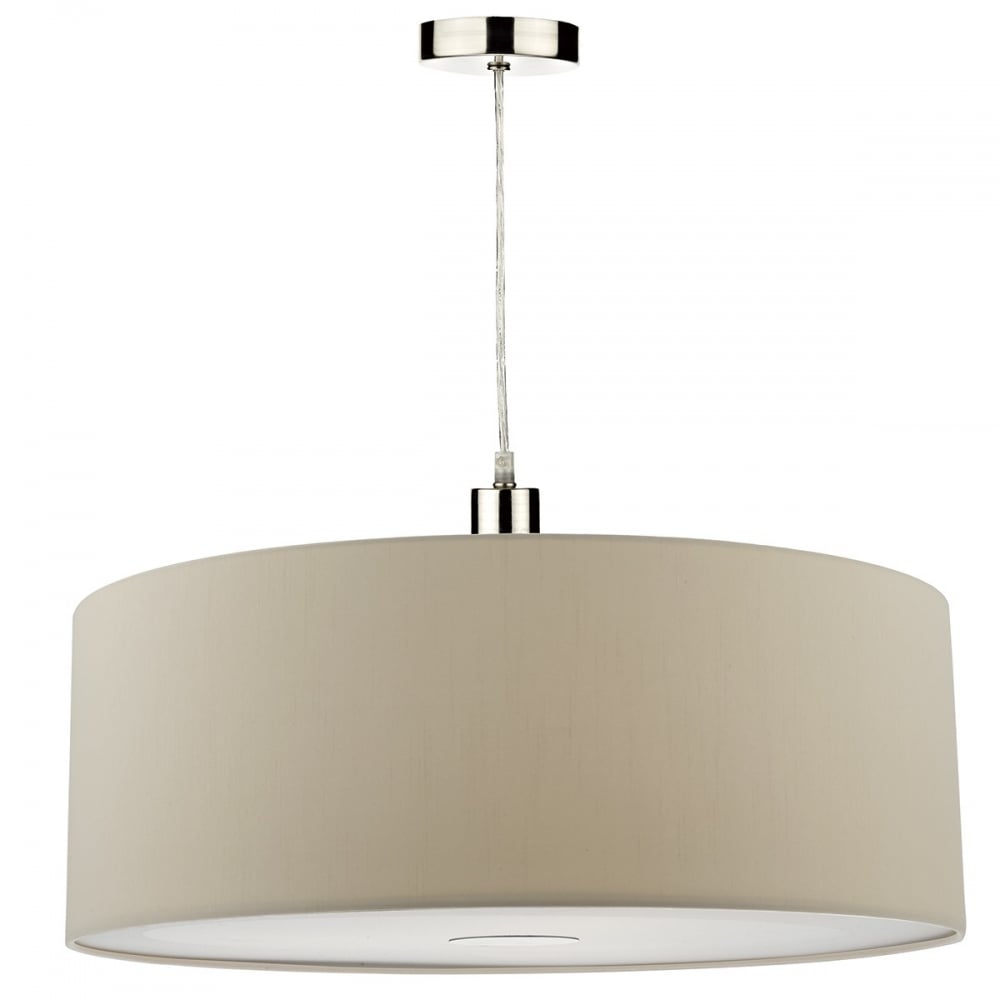
    Overhead lights usually don’t contribute to a cosy atmosphere in a bedroom because of the stark downwards light beam. To amend this, ensure the bulb has an encompassing shade to diminish the starkness of the naked bulb. Use soft fabric shades on a pendant light or glass opal shades to diffuse the light and create a relaxing atmosphere. 

    Floor lamps

    Floor lamps are a great alternative to overhead lights when you need ambient light to illuminate the whole room but don’t want stark light shining from above. The shade of the floor lamp will diffuse the light across the room but create a more mellow atmosphere. 

    Bedside lamps

    Bedside lamps are also a fantastic way to create a soothing bedroom atmosphere. Lampshades can mellow the bulb light and channel the light beams up and down, creating shadows across the room. The shaded light helps to let your body know it’s time for sleep.

    String lights

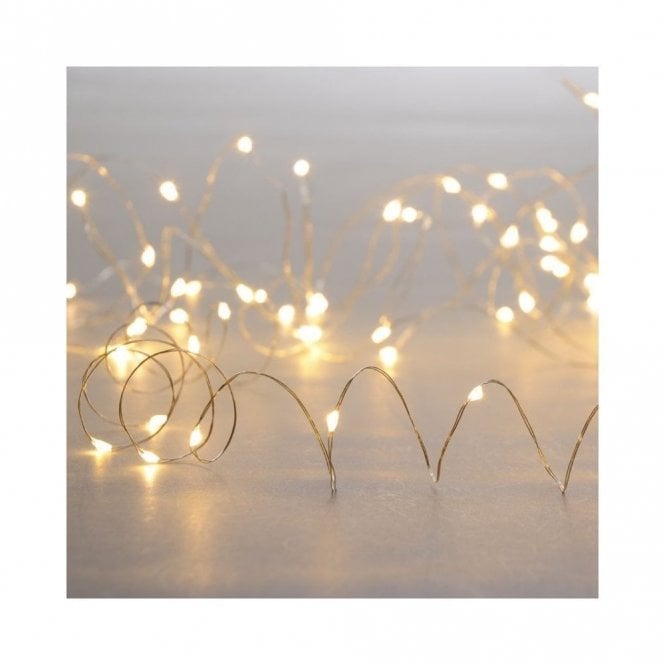
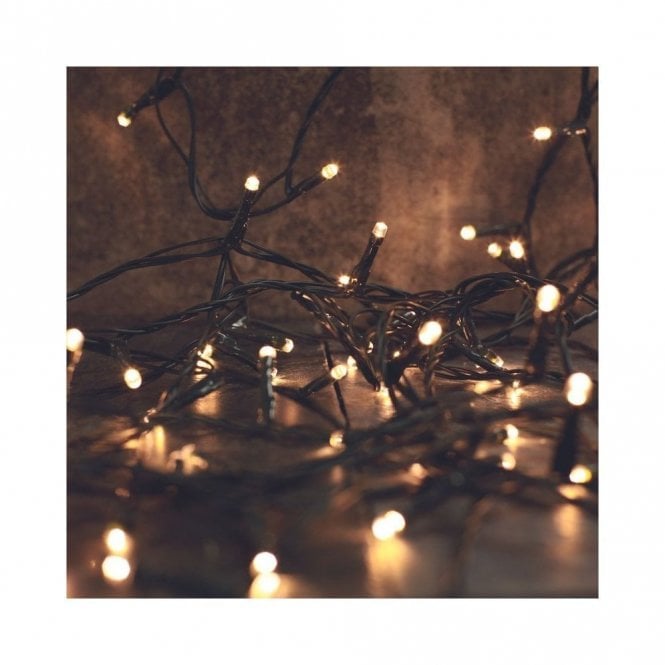
    Hanging warm white string lights around your bedroom can create a cosy atmosphere that will make you feel warm and sleepy, mimicking the twinkling stars in the night sky. 

    Reading lights

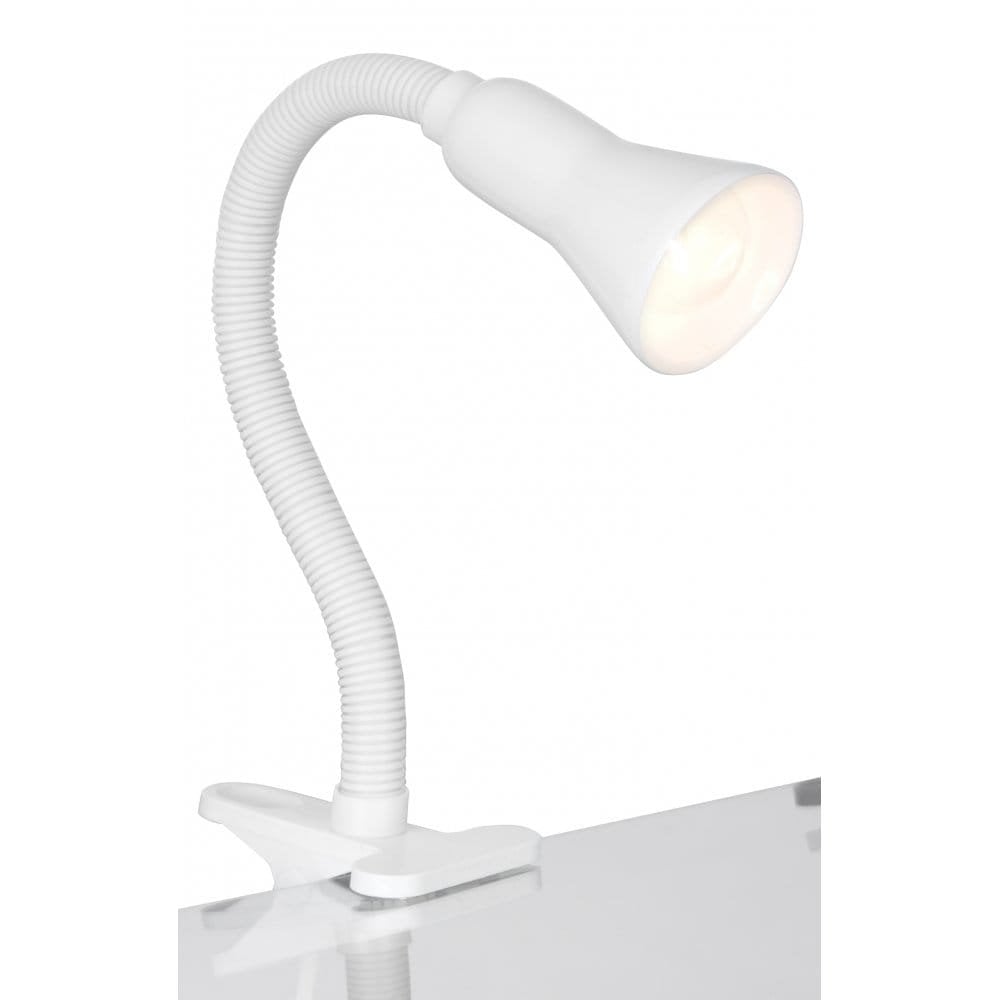
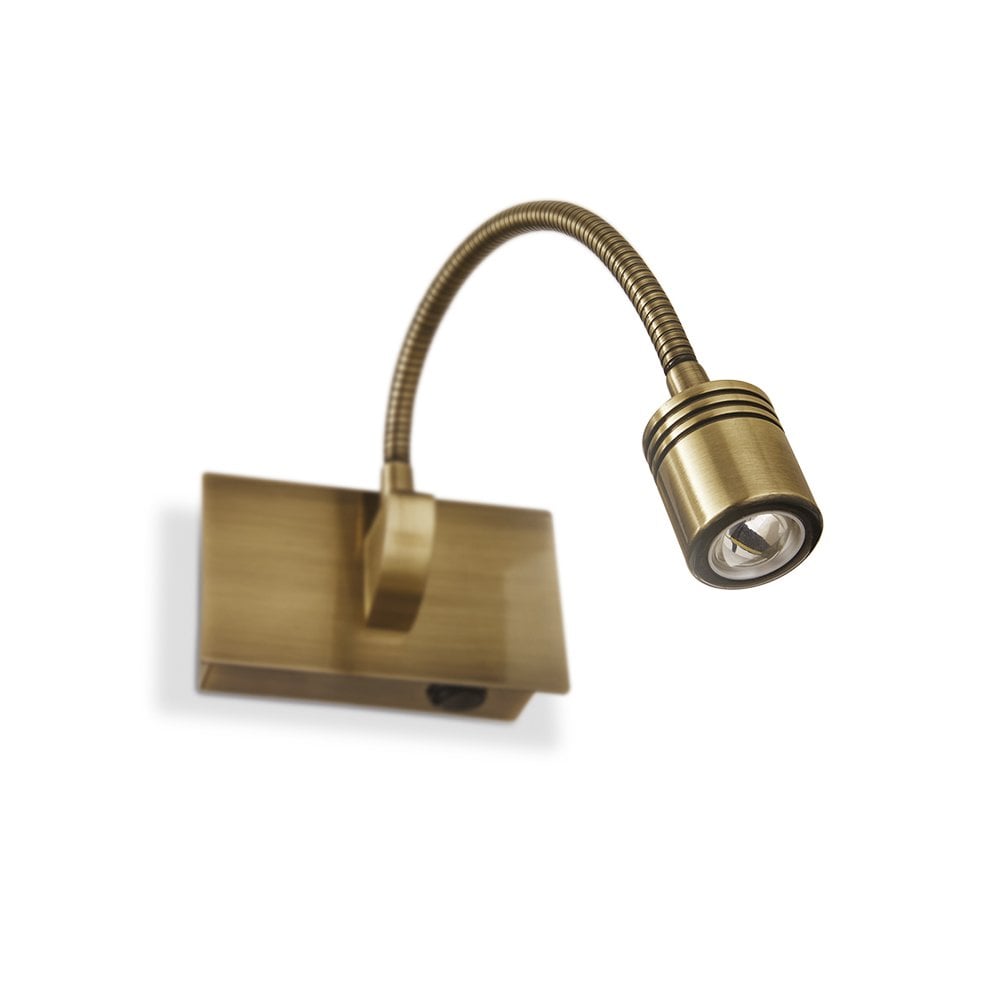
    If you like reading before bed, choose a concentrated light that will illuminate your page without illuminating the room, so you will eventually feel sleepy. We recommend specific reading lights for reading in bed. You can get clip-on reading lamps or wall lights with attached reading lamps.

    How to create relaxing lighting for the bedroom

    Although your bedroom is primarily for sleeping, you might also use it for other tasks, like working or gaming. Therefore, you might need a layered lighting scheme to help you wind down. A layered lighting scheme is a set of lights that creates different moods depending on what ambience you need. 

    You might have bright ceiling lights when you want to feel awake in the morning, but these don’t work when you’re trying to get to sleep. So, to create a relaxing lighting scheme, install multiple lights to alter the ambience or install dimmable lights or touch-operated lamps to get varied light levels, including soft ambient light when you want to relax and wind down. 

    Creating a bedtime ritual with lighting

    If you’re struggling with sleep or feel awake when it’s time for bed, incorporating light into your sleep routine can help! Here’s how

    1. Set achievable time goals for when you want to be in bed and asleep.
    2. Put your phone away or on do not disturb mode one hour before your set bedtime. The blue light from your phone will prevent your brain from producing the sleep hormone melatonin and stop you from feeling sleepy. 
    3. At the same time, turn your bedroom lights to relaxation mode. Turn off any big bright lights and switch on your bedside lamps or reading lights.
    4. If you’re not feeling sleepy, read a good book instead of scrolling on your phone, and you’ll be sure to fall asleep in no time. 
    5. Use a sleep tracker to monitor the time you fall asleep and track your sleep progress. 

    What colour light is most soothing for sleep?

    Kelvin scale: best colour light for sleep
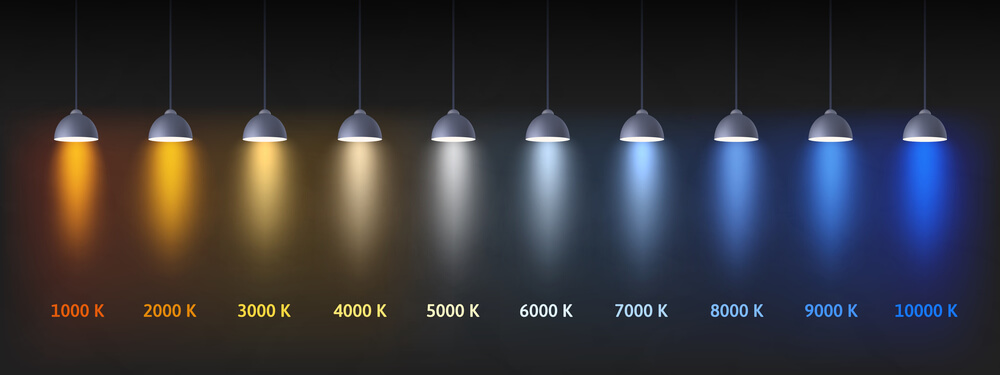
    You can also help create a relaxing environment in your bedroom with the correct bulb colour temperature. The Kelvin scale (K) measures light colour temperature and ranges from red to white to blue light. 

    If you’re wondering what colour light is soothing to create a cosy atmosphere in your room, use bulbs with a 2000-4000K rating for a warm white light effect. A warm white light range will allow the production of melatonin, the sleep hormone, and make you feel sleepy, whereas 5000K upwards will have the opposite effect. Exposure to blue light or bright white artificial bulbs can prevent melatonin production and disrupt your sleep and natural circadian rhythm.

    However, some deep blue coloured lights can also have the same sleepy effect, often used in baby nightlights. So long as they are dim and have a deep, dark blue, the light can create a soothing atmosphere in a bedroom, mimicking the deep blue sea or night sky. 

    With developments in LED lights, you can get bulbs that produce an extensive range of light colours. So, if you’re trying to soothe yourself before sleep, turn on your dim, warm light lights for the best light colour for sleep. 

    Soothing bedroom lighting

    Practical tips for creating soothing bedroom lighting

    Here are some of our top tips on how to create soothing bedroom lighting

    • Place lights low down. Using nightlights plugged into outlets near the floor offers a mellowed ambience that isn’t bright or dazzling to help you feel sleepy. 
    • Use shades. Shading any naked bulbs will help defuse any stark light and help create a soothing atmosphere in your bedroom.
    • Use warm white bulbs. An easy way to create a more soothing ambience in your bedroom before bed is to swap your bulbs for ones that emit a warm white light. 
    • Get the right lamp size. If you have a bedside lamp, the last thing you want is the light blinding you as you sit in bed. Ensure your bedside lamp sits on your nightstand at the right height and doesn’t shine into your eyes. 

    Soothing bedroom lighting at Castlegate Lights

    We hope you now understand the importance of light when creating a relaxing and soothing environment in your bedroom. Whether you’re having trouble sleeping or want to illuminate your bedroom to create a calming atmosphere, lighting can help with the optimal shade, brightness and light colour temperature. 

    If you’re looking for relaxing light for your bedroom, browse our bedroom lighting collection for an extensive range of lights perfect for bedrooms. You can also replace your bulbs with warm white light bulbs from our bulb collection to transform your bedroom into a calming oasis without breaking the bank. 

    Related blogs

  • How to choose the ideal bedside lamp

    How to choose the ideal bedside lamp

    If you’re wondering how to choose the right lamp for your bedside table, we’re here to help! It can be overwhelming searching for the best bedside lamp for you with so many choices available. 

    In this guide, we go through crucial considerations you must make when attempting to find a lamp for your bedside table, including lumens, shade size, base height, style, light direction, material and switches. So, let’s dive right in and help you find the perfect light source for your bedside. 

    Table of contents

    How many lumens for a bedside lamp
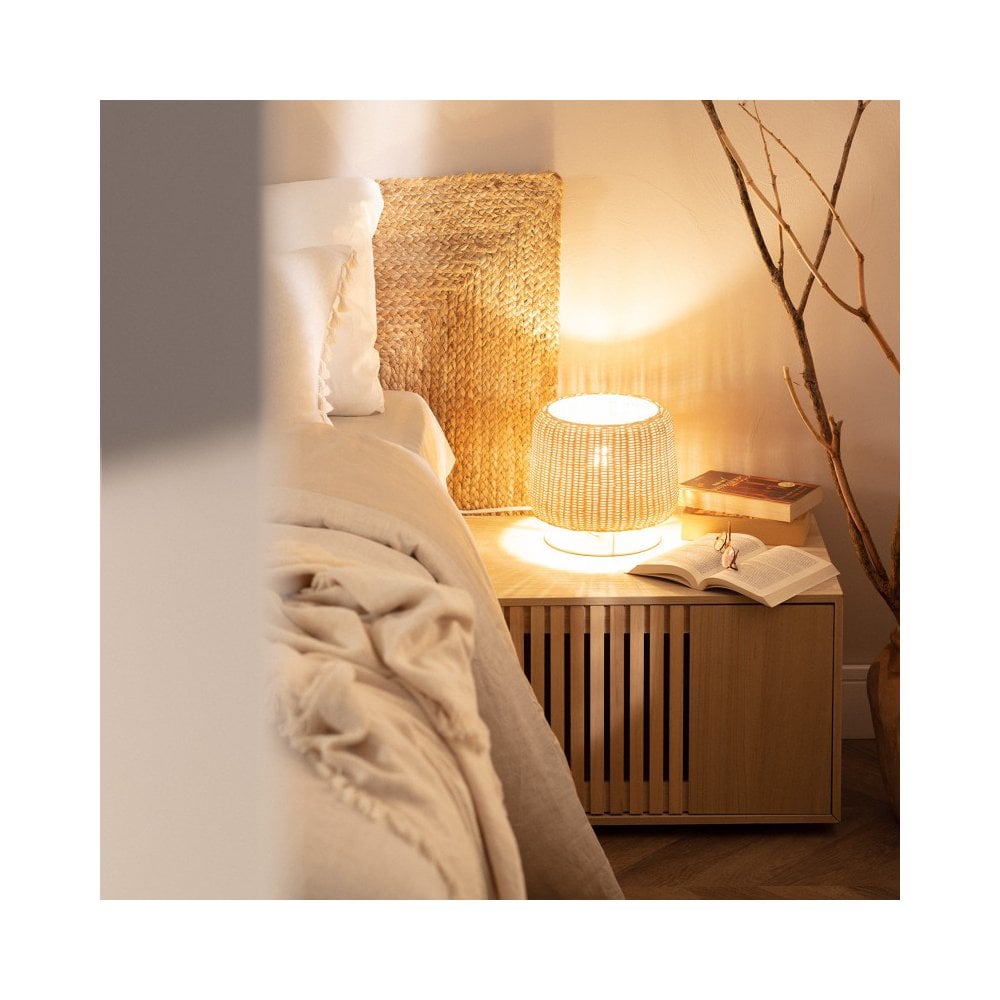
    Iluzzia Gondia Single Light Table Lamp In Natural Rattan Finish

    How many lumens for a bedside lamp

    First, you need to think about your bulb type. When choosing a bulb for your bedside lamp, consider the brightness. For your bedside, you’ll want a soft, more ambient light rather than a harsh, bright light to help you wind down before sleep. 

    You can determine your bulb brightness by the number of lumens. Aim for a bedside lamp with 200 to 400 lumens to provide adequate illumination for reading or navigating the bedroom without being overly bright. 

    Why not browse our range of bulbs at Castlegate Lights to find the best light bulb for your bedside lamp? With so many shapes and colour temperatures to browse, you can create the perfect bedside lighting.

    What size lamp shade for the bedside table

    Then, you need to think about your shade size. When choosing a lamp shade for your bedside table lamp, it should complement the size and style of your bedside table. It will overpower the bedside table if it’s too wide, and you may even knock your head on it while getting in and out of bed. 

    As a rule of thumb, the bottom of the shade (or diameter) should be about two-thirds the height of the lamp base to stop it from looking bulky or overpowering. You also don’t want it to be too small compared to the base, as this will look uneven.

    To get the perfect size, ensure your lamp shade slightly extends beyond the base width to provide a balanced illumination and aesthetic appeal. 

    How to choose the ideal bedside lamp
    The Italian Collection Mapa Single Light Small Table Lamp in White Finish

    How tall should a bedside lamp be

    The height of your bedside lamp should be proportional to the height of your bedside table, bed and surrounding furniture. A typical bedside lamp ranges between 16 to 24 inches (41-61cm). 

    Use this as a guide if you need clarification and want to avoid accidentally buying a massive or tiny lamp for your bedside table. If it’s too tall, the light might dazzle you as you switch it on. If it’s too short, it may not provide enough light for reading. The best height for a bedside lamp is at eye level to get enough light for reading in bed without getting dazzled by a bright wakeup.   

    When deciding the height of your bedside lamp, consider its function. For example, if you intend to use it primarily for reading, opt for a taller lamp that directs light downwards onto your reading material. 

    How to choose a bedside lamp

    When choosing the perfect bedside lamp, there are multiple factors to consider. 

    Purpose

    First, what will you use it for? Consider your needs and determine the primary purpose of your bedside lamp. Is it for reading, ambient light, accentuating decor or multiple uses? The purpose will determine the style of lamp you need. 

    Style

    Then, think about style and aesthetics. Bedside table lamps aren’t just functional; they can also add design interest to your room. Choose a lamp that complements the style and decor of your bedroom. Options can include traditional, industrial, vintage and much more. 

    Also, consider your colour scheme and textures. Lamps provide excellent decor accent pieces, adding a pop of colour or contrasting texture to a room.

    Lighting direction

    Decide where you want your light directed based on your style preferences and the purpose of your lamp. If you need to use your lamp for reading, select a lamp that directs light downwards. Select a lamp that directs light upwards if you want to use your lamp light to highlight the wall texture or an architectural feature. And, if you are looking for a lamp to provide general ambient light, choose one that does both. 

    Note that adjustable lamp heads offer versatility between all these factors. 

    Material and finish

    Your choice and material finish depends on your bedroom decor, with some being more modern or traditional. Typical bedroom lamp finishes sometimes have chrome, wood, ceramic or glass finishes. But there are so many more to choose from besides these.

    Switch type

    You can also consider the type of switch you want to make your life easier. You can go for a traditional switch on the neck or a more modern switch on the cable. Choose whichever you’ll find more convenient if you’re trying to turn the lamp on in the dark. 

    You can also opt for touch-sensitive lamps for maximum convenience, some of which usually have three brightness settings, or choose a dimmable lamp to get full adjustable brightness. 

    How to choose a bedside lamp
    The Italian Collection Mapa Single Light Medium Flush Wall Fitting in White Finish

    Space constraints

    If you have limited bedside table space, consider wall-mounted lamps or smaller designs that will be manageable for your surface area. 

    Budget

    Determine your budget and explore your options. Remember that a high-quality bedside lamp can enhance the ambience of your bedroom and is worth investing in. But, if you have budget constraints, we have a range of bedside table lamps to suit every budget at Castlegate Lights. 

    Bedside lamps at Castlegate Lights

    Now you know how to choose a lamp for your bedside, it’s time to explore your options. Why not browse our bedroom table lamps at Castlegate Lights to find the perfect bedside lamp for your bedroom?

    Related blogs